 Jan, 24 2026
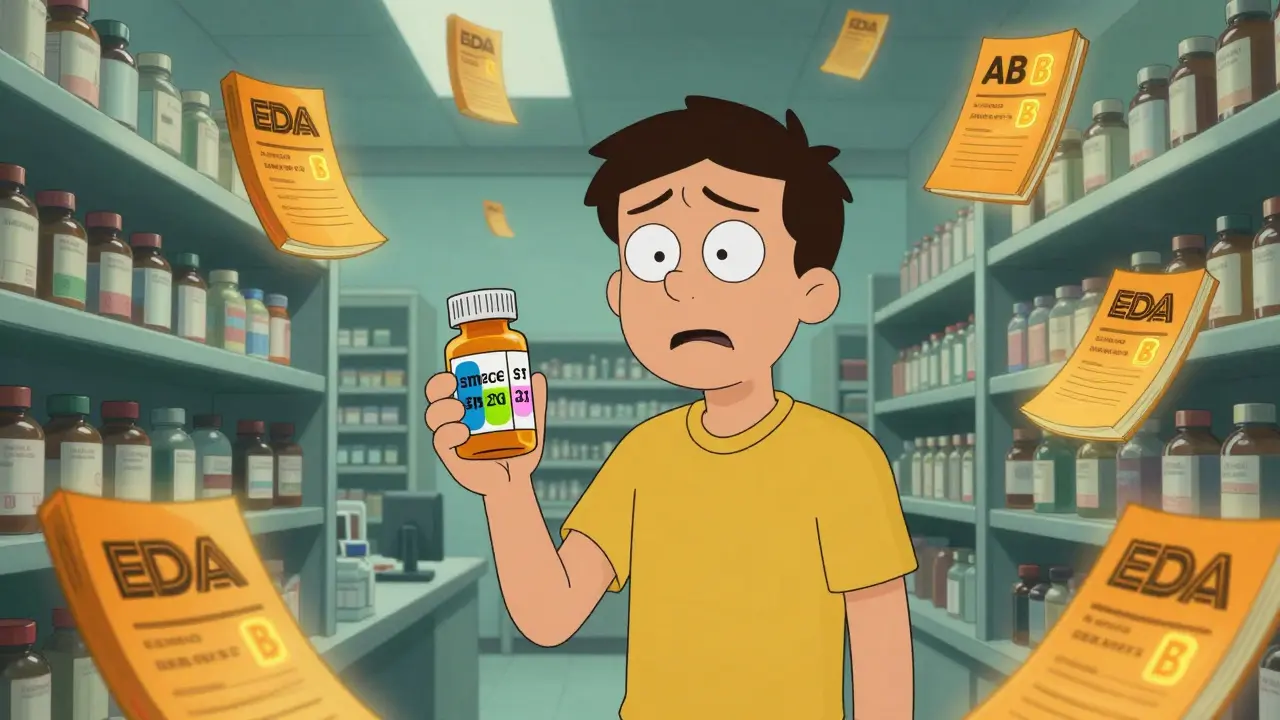
When your pharmacist hands you a pill bottle with a different name than what your doctor wrote on the prescription, it’s normal to feel unsure. Generic medications are everywhere - 90% of prescriptions in the U.S. are filled with them. They save billions each year, often costing 80-85% less than brand-name drugs. But what if there are three different generic versions of the same medicine on the shelf? How do you pick the right one?
Not All Generics Are Created Equal
The FDA says every generic must work the same as the brand-name drug. That’s the law. But here’s the catch: the FDA allows generics to differ in how quickly or completely they release the active ingredient into your bloodstream - as long as it’s within a narrow range. This is called bioequivalence. For most drugs, the amount of medicine your body absorbs from a generic must be between 80% and 125% of the brand-name version. That sounds like a big window, but in practice, most approved generics are within 5% of the original. Still, that small range matters. For some medications, even a tiny shift in blood levels can cause problems. Think of it like driving a car: most cars handle fine between 55 and 65 mph. But if you’re racing, even a 2 mph difference can change your outcome. The same applies to drugs like warfarin, levothyroxine, or digoxin. These are called narrow therapeutic index drugs. Too little, and the treatment doesn’t work. Too much, and you risk serious side effects.The FDA Orange Book Tells You What You Need to Know
The FDA publishes a public database called the Orange Book. It’s not flashy, but it’s the most important tool you have. Every approved generic drug gets a rating code:- AB = Therapeutically equivalent. This means the generic has been tested and proven to work just like the brand. You can switch between AB-rated generics safely.
- B = Not fully equivalent. These generics meet basic FDA standards but have shown differences in how they behave in the body. They’re approved for new patients, but switching from a brand or another generic might not be safe.
When Switching Generics Can Cause Problems
A 2017 study in Circulation looked at generic versions of the heart drug candesartan. It found that patients who switched to a new generic version had a higher chance of side effects in the first month. Not because the drug was bad - but because their bodies were adjusting to a slightly different absorption rate. That’s why consistency matters. If you’ve been on a specific generic for six months and your blood pressure is stable, switching to another generic - even if it’s AB-rated - could throw off your balance. It’s not about quality. It’s about your body’s adaptation. The Endocrine Society recommends staying with the same manufacturer for thyroid medications. The American Heart Association says the same for heart drugs. For most people, this isn’t a big deal. But if you’re on one of these sensitive drugs, your stability depends on keeping things the same.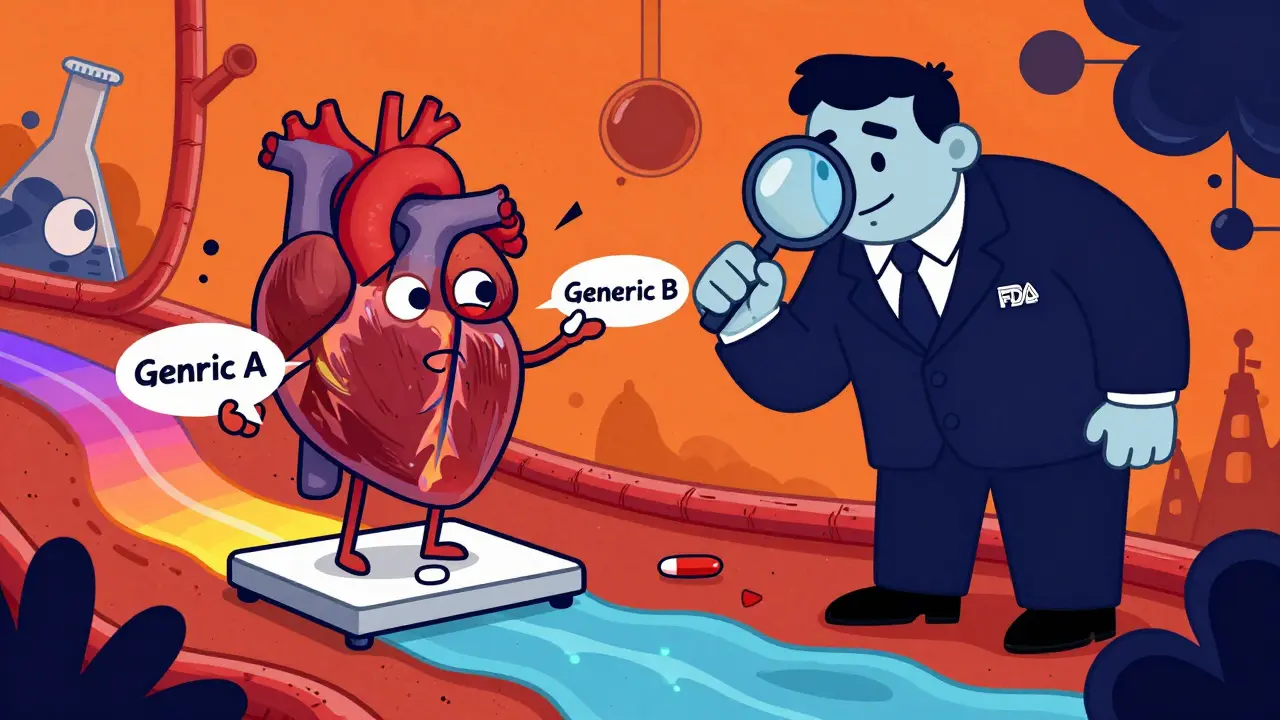
What to Do If You’re Starting a New Medication
If you’re just beginning treatment, you have more flexibility. You can choose the cheapest AB-rated generic. There’s no need to pay more for a brand unless your doctor says so. Most generics on the market are AB-rated. In fact, for most drugs, there are five or more manufacturers competing. That competition drives prices down - sometimes to pennies per pill. Your pharmacist can tell you which generics are available and which have AB ratings. They’re trained to check the Orange Book. Ask them: “Is this AB-rated?” If they say yes, you’re good to go. If they say no, ask why. Don’t be afraid to push for clarity.Don’t Switch Unless You Need To
Many people think switching generics saves money. Sometimes it does. But if you’re already stable on a generic, switching to another one - even a cheaper one - might cost you more in the long run. You could need extra blood tests, doctor visits, or even emergency care if your levels shift. A 2023 review from UCSF found that patients on heart medications who switched between multiple generics had higher rates of hospitalization in the first 90 days. Not because the drugs were dangerous. But because their bodies had to re-adapt. That’s why experts recommend sticking with one manufacturer once you’ve found what works.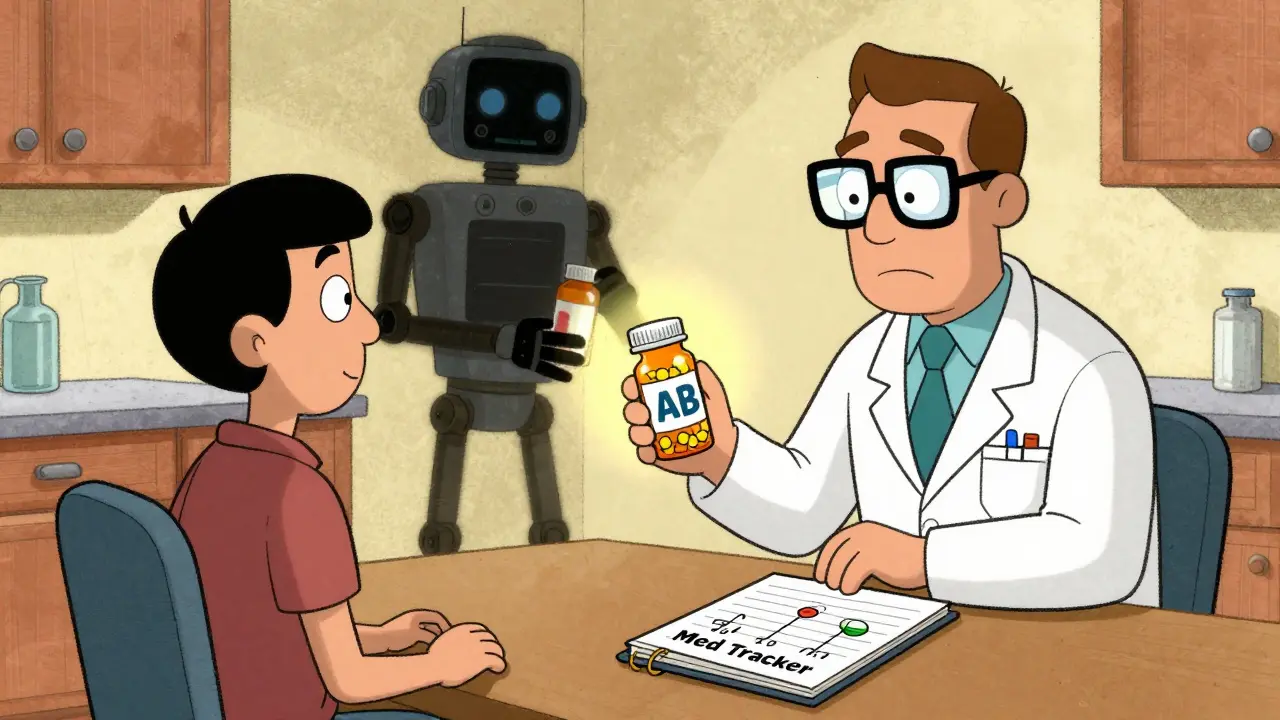
What If Your Insurance Changes the Generic?
Insurance companies often switch the generic they cover to the cheapest option. You might be on one brand of generic, then suddenly get a different one with the same name but a different pill color. That’s not a mistake. It’s cost-cutting. In 28 states, pharmacists are required to tell your doctor if they switch you to a different manufacturer. In others, they don’t have to. If you notice a change in how you feel - more fatigue, dizziness, or unusual symptoms - don’t ignore it. Call your doctor. Say: “I was switched to a different generic. I think it’s affecting me.”How to Protect Yourself
Here’s what you can do right now:- Check the name on your bottle. Is it the same as last time? If not, ask your pharmacist which manufacturer made it.
- Ask your doctor: “Is this a narrow therapeutic index drug?” If yes, ask them to write “dispense as written” on the prescription.
- Keep a small notebook. Write down the name of your generic, the pill color, and how you feel each week. This helps you spot changes.
- Use the FDA’s Orange Book website (or ask your pharmacist) to look up your drug and see its rating.
- If you’re on a critical medication, ask your pharmacist to keep you on the same manufacturer unless you’re told otherwise.
Bottom Line: Stick With What Works
Generic drugs are safe, effective, and save money. But they’re not all identical. For most people, any AB-rated generic is fine. For those on sensitive medications, consistency is everything. Don’t switch unless you have to. Don’t assume cheaper means better. And don’t be afraid to ask questions. Your health isn’t a commodity. Your medication shouldn’t be either.Are generic drugs really as good as brand-name drugs?
Yes, for most people and most medications, generics are just as effective. The FDA requires them to have the same active ingredient, strength, dosage form, and route of administration. They must also prove they deliver the drug into your bloodstream within 80-125% of the brand-name version. Most generics fall within 5% of the original. For drugs like antibiotics, blood pressure meds, or antidepressants, there’s no meaningful difference in outcomes.
Can I switch between different generic versions of the same drug?
It depends. For most drugs, switching between AB-rated generics is safe. But for narrow therapeutic index drugs - like warfarin, levothyroxine, or digoxin - switching can cause dangerous shifts in blood levels. Even if both generics are AB-rated, your body may react differently to each manufacturer’s formula. Experts recommend staying on the same one once you’ve found what works.
What does AB mean on a generic drug label?
AB stands for “therapeutically equivalent.” It’s the FDA’s highest rating for generics. It means the drug has been tested and proven to work the same way as the brand-name version. You can safely substitute an AB-rated generic for the brand or for another AB-rated generic. Look for this code in the FDA’s Orange Book or ask your pharmacist.
Why do some generics cost more than others?
Price differences come down to manufacturing costs, market competition, and supply chain factors. Sometimes, a generic from a newer manufacturer costs more because they haven’t scaled production yet. Other times, a brand-name company makes its own generic version and charges more because they’re leveraging brand loyalty. Don’t assume the most expensive one is better - check the FDA’s therapeutic equivalence rating instead.
Should I always ask for the brand-name drug if I’m worried about generics?
Only if your doctor recommends it. For most medications, generics are just as safe and effective. Paying more for a brand doesn’t improve outcomes - it just costs you more. But if you’re on a narrow therapeutic index drug and you’ve had stability on a brand, talk to your doctor about whether staying on it is worth the cost. Some insurance plans offer exceptions for these cases.
What should I do if I feel different after switching to a new generic?
Don’t ignore it. Write down your symptoms - when they started, how bad they are, and what you were taking before. Call your doctor and pharmacist. Tell them you switched generics and now feel different. You might need a blood test to check your drug levels. In many cases, going back to your previous version fixes the issue. Your health comes first - don’t let cost or convenience override safety.

Skye Kooyman
January 25, 2026 AT 20:46Been on generic levothyroxine for 5 years. Switched brands last year because insurance forced it. Started feeling like a zombie. Went back to the original one. Life changed. Don't mess with what works.
rasna saha
January 27, 2026 AT 11:31I get so anxious when my pill changes color. I know it's the same medicine but my body knows the difference. I keep a little note in my wallet with the name and what it looks like. It's my peace of mind.
SWAPNIL SIDAM
January 29, 2026 AT 02:10My grandma took generic blood pressure pills for 20 years. One time they changed the maker and she got dizzy all day. Doctor said it was the pill. She never switched again. Simple as that.
Mohammed Rizvi
January 29, 2026 AT 10:45Pharmacists don't care about your stability. They care about the rebate check from the manufacturer. Insurance wants the cheapest pill, not the one that keeps you alive. Welcome to American healthcare.
Betty Bomber
January 30, 2026 AT 01:17I used to think generics were all the same until I got a bad batch that made me nauseous for a week. Now I always check the manufacturer. Turns out, some are made in the same factory as the brand. Funny how that works.
Peter Sharplin
January 31, 2026 AT 02:53For narrow therapeutic index drugs, consistency isn't just good advice-it's medical necessity. The FDA's AB rating doesn't guarantee identical pharmacokinetics across manufacturers, just that they're within the legal tolerance range. That 5% window? For some people, it's the difference between control and crisis. I've seen patients on warfarin get thrown off by switching generics, even AB-rated ones. Their INR spiked or crashed. It's not rare. It's predictable. If you're on one of these drugs, ask your pharmacist for the manufacturer name and stick with it. Write it on your prescription. If your insurance switches it without telling you, escalate. Your life isn't a cost center.
Dan Nichols
February 1, 2026 AT 07:50People act like generics are some kind of lottery but the data shows most AB-rated versions perform identically in clinical trials. The anecdotes about feeling different are just confirmation bias mixed with placebo/nocebo effects. Your body doesn't 'know' the pill color. You're just anxious because you don't understand pharmacology. Stop anthropomorphizing medication. The science is clear. Unless you're in a controlled study with blood levels measured, your 'feeling different' is just your mind playing tricks. Also, the Orange Book isn't magic. It's a database. Read the footnotes.
eric fert
February 2, 2026 AT 15:25Let's be real here. The whole 'stick with the same manufacturer' thing is a myth peddled by Big Pharma to keep you dependent on expensive generics they own. The FDA's bioequivalence standards are laughably loose. 80-125%? That's not equivalence, that's a casino. And the Orange Book? It's full of loopholes. I once looked up a generic for my dad's seizure med. Two AB-rated versions had different fillers-one had lactose, the other had corn starch. He's allergic to corn. Nobody told him. Nobody checks. The system is rigged. Pharmacists don't even know the difference between fillers unless you ask. And insurance? They don't care if you end up in the ER. They just want the lowest bid. So yes, you should be scared. You should demand transparency. You should refuse to be a lab rat for corporate profit. And if your doctor says 'it's fine,' they're either lazy or complicit. This isn't healthcare. It's supply chain management with a stethoscope.
Geoff Miskinis
February 4, 2026 AT 15:18How quaint. You all treat pharmaceuticals like artisanal cheese-'oh, I prefer the Swiss from the Alpine village.' The truth is, 99% of people don't need to care. The FDA doesn't approve drugs based on emotional comfort. It's chemistry. Bioequivalence is statistically validated. The notion that 'my body knows' is pseudoscience dressed in wellness garb. And let's not pretend pharmacists are saints. They're paid to fill scripts, not to be your personal pharmacokinetic consultants. If you're on warfarin and you're monitoring INR weekly, then yes, consistency matters. But if you're on a generic statin or amoxicillin? Stop overthinking. You're not special. The pill doesn't care about your feelings. Neither should you.