 Dec, 15 2025
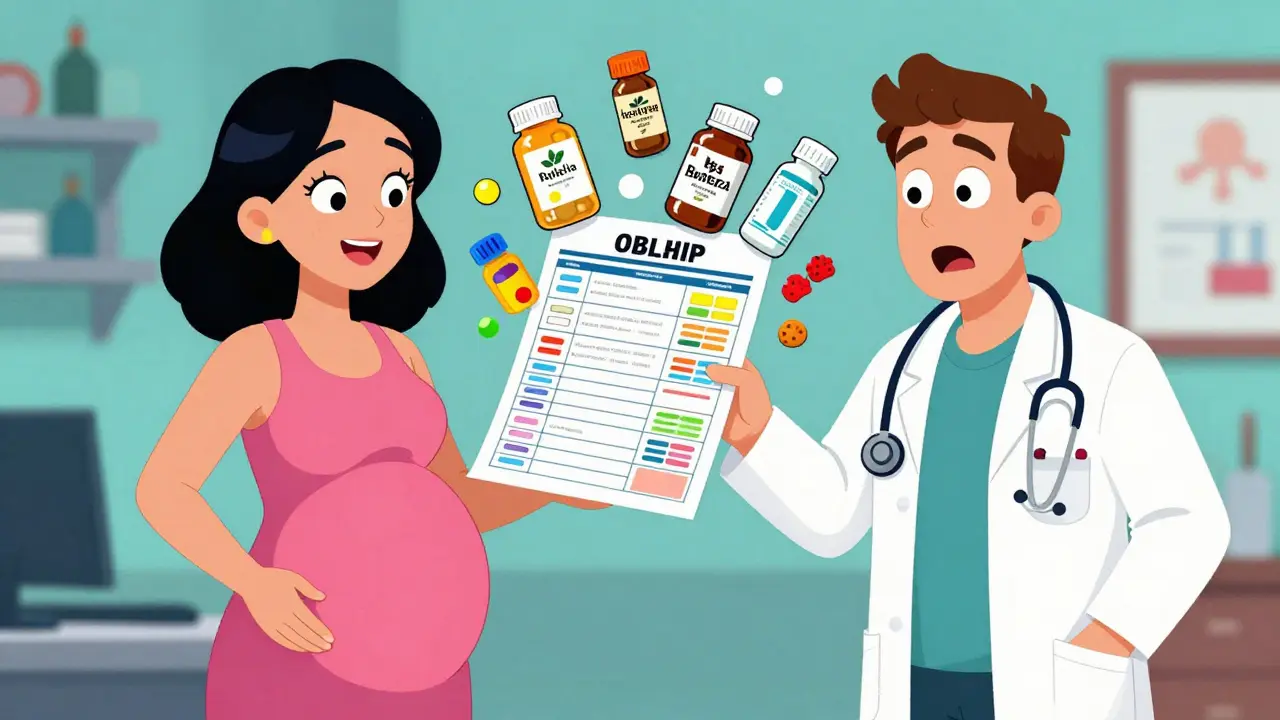
When you’re planning a pregnancy, already pregnant, or breastfeeding, the medications you take aren’t just about managing a condition-they’re about protecting a life. That’s why talking to your OB/GYN about what you’re taking isn’t optional. It’s essential. But too many women walk into appointments feeling unsure, rushed, or even embarrassed to mention that evening primrose oil or the CBD gummies they take for sleep. The truth? Your provider needs to know everything.
Why Medication Discussions with Your OB/GYN Are Different
Your general doctor might review your meds once a year. Your OB/GYN reviews them every visit-and sometimes more often. That’s because pregnancy and breastfeeding change how your body handles drugs. A medication that’s perfectly safe for you at 25 might be risky at 25 weeks pregnant. What’s harmless in a non-pregnant body can cross the placenta, affect fetal development, or end up in breast milk. The American College of Obstetricians and Gynecologists (ACOG) says every woman planning pregnancy should have a full medication review. And it’s not just about prescriptions. Supplements, herbal teas, over-the-counter pain relievers, even topical creams count. About 90% of pregnant women take at least one medication during pregnancy, according to the CDC. And 68% continue meds for chronic conditions like high blood pressure, thyroid issues, or depression. The goal? Avoid teratogens-substances that can cause birth defects-and make sure your treatment stays effective without harming your baby. For example, ibuprofen is fine for a headache in your 20s, but after 20 weeks of pregnancy, it can reduce amniotic fluid and affect fetal kidney development. That’s why your OB/GYN needs to know you’ve been taking it for your period pain.What to Bring to Your Appointment
Don’t rely on memory. Write it down. Here’s exactly what to include:- Prescription meds: Name, dosage, how often you take it, and why. Example: Levothyroxine 75 mcg, one pill daily, for hypothyroidism.
- Over-the-counter drugs: Even if you think they’re "just for a cold." Include ibuprofen, acetaminophen, antacids, sleep aids, or allergy pills. Note frequency: Ibuprofen 400mg, 1-2 tablets every 6 hours as needed for cramps.
- Supplements: Prenatal vitamins, iron, calcium, omega-3s. But also: vitamin D, magnesium, melatonin, and especially herbal products like St. John’s Wort, ginger capsules, or red raspberry leaf tea.
- Topical treatments: Acne creams with retinoids, anti-fungal ointments, or even medicated shampoos.
- Recreational substances: Alcohol, nicotine, cannabis (including CBD and THC), and vaping. These aren’t "medications," but they’re part of your health picture-and your provider needs to know.
Don’t just list names. Include brand and generic versions. If you take Nature Made Prenatal, say so. If you’re using a generic version of Synthroid, note that too. Exact details matter because different formulations can have different effects.
Pro tip: Take a photo of each pill bottle with your phone. That way, if you forget the dosage, you can show your provider. One patient on Reddit said her OB/GYN printed her spreadsheet of supplements and kept it in her file. That’s the kind of prep that makes a difference.
What Your OB/GYN Will Ask You
They’re not just checking a box. They’re looking for red flags. Here’s what they’re really thinking:- Are you taking anything that affects neural tube development? Folic acid is non-negotiable. If you’re not taking at least 400 mcg daily, start now-even if you’re not trying to get pregnant yet.
- Are you on meds that could harm a developing baby? Medications like isotretinoin (Accutane), certain ACE inhibitors, or lithium carry known risks. If you’re on one, you need a plan to switch before conception.
- Are you using something that reduces birth control effectiveness? St. John’s Wort can cut oral contraceptive levels by 50%. That’s not a myth-it’s in the Pharmacotherapy Journal.
- Are you taking something you think is "natural" and therefore safe? Evening primrose oil is often used for PMS, but it can trigger contractions. Black cohosh? Risky in pregnancy. Just because it’s sold in a health food store doesn’t mean it’s safe.
- Are you using cannabis? Only 38% of OB/GYNs routinely screen for medical marijuana, even though 18% of reproductive-aged women use it. If you’re using it for nausea, anxiety, or pain, your provider needs to know so they can help you find safer alternatives.
These aren’t judgment questions. They’re safety questions. The more honest you are, the better they can protect you and your baby.
Questions You Should Ask Your OB/GYN
Come prepared with your own questions. Don’t wait for them to lead. Here are the most important ones:- "Is this medication safe during pregnancy or breastfeeding?" If they say "I’m not sure," ask for a referral to a maternal-fetal medicine specialist or a pharmacist who specializes in pregnancy.
- "Are there safer alternatives?" For example, if you’re on an NSAID for chronic pain, ask about acetaminophen, physical therapy, or acupuncture.
- "When should I stop or start this medication if I’m trying to conceive?" Some meds need to be stopped months in advance. Others, like thyroid meds, need to be adjusted immediately.
- "Will this affect my fertility?" Certain antidepressants, blood pressure meds, and even some supplements can impact ovulation or sperm quality.
- "Do I need a higher dose of folic acid?" If you have a history of neural tube defects, diabetes, or are on seizure meds, you may need 4-5 mg daily instead of the standard 400 mcg.
- "Is there a pregnancy registry for this medication?" Some drugs have tracking programs to monitor outcomes in pregnant women. Ask if yours is one of them.
Common Mistakes and How to Avoid Them
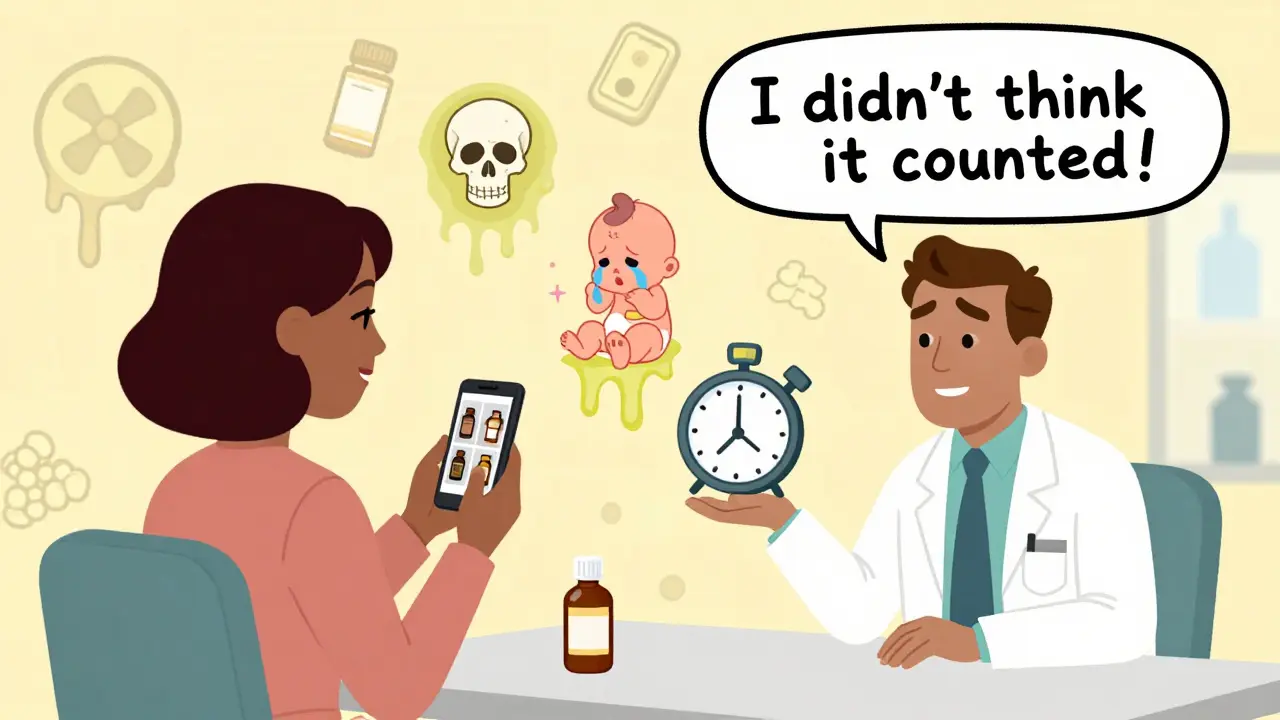
You’re not alone if you’ve made these errors:- "I didn’t think it counted." Herbal teas, essential oils, and supplements are meds too. One woman forgot to mention evening primrose oil-and later found out it could trigger early labor.
- "I didn’t remember the dosage." 33% of first-time patients can’t recall exact doses. Solution: Snap a photo of your pill bottles before your appointment.
- "I was afraid they’d judge me." If you’re using cannabis, alcohol, or opioids, your provider has heard it all. Hiding it puts your baby at risk.
- "I assumed my regular doctor already told them." Your PCP doesn’t know your OB/GYN’s safety thresholds. Only you can bridge that gap.
Patients who prepare a written list reduce appointment time by 15-20 minutes and increase discussion quality by 40%, according to Colorado Women’s Health. That’s not just convenience-it’s better care.
What Happens After the Conversation
Your OB/GYN won’t just say "stop everything." They’ll help you make smart changes:- Switching meds: If you’re on a Category D or X drug (known risk), they’ll help you transition to a safer alternative. For example, switching from lisinopril to labetalol for high blood pressure.
- Dose adjustments: Thyroid meds often need higher doses during pregnancy. Your TSH will be checked every 4-6 weeks.
- Monitoring: If you’re on antidepressants, your provider may coordinate with your psychiatrist. If you’re on insulin, you might start using a continuous glucose monitor.
- Referrals: If you’re on four or more medications, your OB/GYN might refer you to a maternal-fetal medicine specialist or a pharmacist trained in women’s health.
And if you’re breastfeeding? The rules change again. Some meds that are safe in pregnancy aren’t safe while nursing, and vice versa. Always ask: "Is this okay while I’m feeding?"
What’s Changing in 2025
The field is evolving fast. As of 2023, 89% of accredited OB/GYN practices now use formal medication review protocols, up from 67% in 2018. New tools are coming:- ACOG’s new 2023 guidelines now require discussion of CBD and medical marijuana.
- The FDA is developing standardized pregnancy risk scores for medications-expected in 2024.
- Apps like Babyscripts are helping hypertensive pregnant patients track blood pressure meds in real time, with 89% adherence.
- Some academic centers are piloting genetic testing (like CYP2D6) to predict how you’ll metabolize antidepressants-personalizing treatment before you even get pregnant.
The bottom line? More data, better tools, and smarter protocols mean you have more power than ever to make safe choices.
Final Thought: This Is Your Power Move
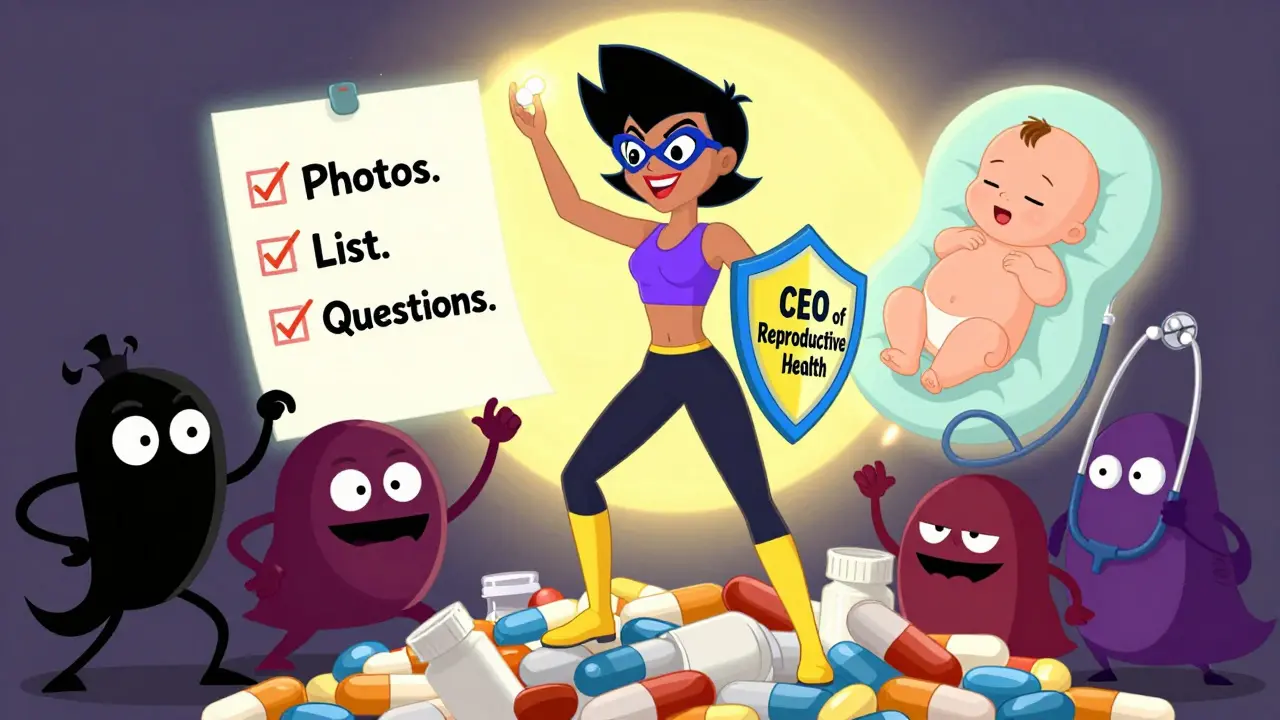
You’re not just a patient. You’re the CEO of your reproductive health. No one else knows your body, your habits, your fears, or your goals like you do. Bringing a complete, honest, detailed list to your OB/GYN isn’t being difficult-it’s being responsible. It’s the single most effective thing you can do to protect your future child.Don’t wait until you’re 12 weeks pregnant to realize you’ve been taking something risky. Start now. Write it down. Bring it. Ask your questions. Your baby’s health depends on it.
Should I stop all my medications when I get pregnant?
No. Stopping meds without guidance can be more dangerous than continuing them. For example, stopping thyroid medication can lead to miscarriage or developmental delays. Stopping antidepressants can increase the risk of postpartum depression. Work with your OB/GYN to switch to pregnancy-safe versions or adjust doses. Never stop abruptly.
Are all herbal supplements safe during pregnancy?
No. Many herbs are not tested for safety in pregnancy. St. John’s Wort can reduce birth control effectiveness and may cause preterm labor. Black cohosh and dong quai can trigger contractions. Red raspberry leaf tea is often promoted as "natural labor prep," but it can cause strong, unsafe contractions before term. Always check with your provider before taking any herbal product.
Can I take ibuprofen while breastfeeding?
Yes, ibuprofen is considered safe in small, occasional doses while breastfeeding. Only tiny amounts pass into breast milk, and it’s commonly used for postpartum pain. However, avoid long-term daily use without checking with your provider, especially if you have high blood pressure or kidney issues.
What if my OB/GYN says a medication is "probably safe"?
Ask for more detail. "Probably safe" means there’s limited data. Request a referral to a maternal-fetal medicine specialist or a pharmacist with expertise in pregnancy. You can also check the LactMed database from the National Library of Medicine for breastfeeding safety info. Don’t settle for vague answers when your baby’s health is on the line.
How do I know if a medication is in Pregnancy Category C, D, or X?
The old A, B, C, D, X categories were phased out in 2015. Now, drug labels include detailed sections on pregnancy, lactation, and fertility risks. Look for "Pregnancy" and "Lactation" subsections on the medication’s prescribing information. Your OB/GYN should explain these in plain language. If they don’t, ask for a written summary.
Is it okay to use CBD oil for morning sickness?
No. There’s no proven safety data for CBD use during pregnancy. Animal studies suggest it may affect fetal brain development. The American College of Obstetricians and Gynecologists advises against using cannabis products-including CBD-during pregnancy and breastfeeding. For nausea, try ginger supplements, vitamin B6, or prescription options like Diclegis, which are proven safe.
Next Steps: What to Do Today
If you’re planning pregnancy, already pregnant, or breastfeeding:- Grab your pill bottles and supplements right now. Take photos of each label.
- Make a list: prescriptions, OTC meds, supplements, herbs, alcohol, nicotine, cannabis.
- Write down 2-3 questions you want to ask your OB/GYN.
- Call your provider’s office and ask if they have a medication intake form you can fill out ahead of time.
- Bring your list and photos to your next appointment.
This isn’t about being perfect. It’s about being prepared. The right conversation could prevent a complication, save a life, or give you peace of mind. You’ve got this.

Lisa Davies
December 15, 2025 AT 23:32OMG YES. I forgot to mention my CBD gummies at my first OB visit and almost had a panic attack when they asked later. 😅 So glad you included that-so many of us think it’s "just chill stuff" but it’s NOT. Took me 3 appointments to get comfortable being fully honest. You’re not weird for asking. You’re smart.
Melissa Taylor
December 16, 2025 AT 02:07This is the kind of post that should be required reading for every person with a uterus who’s even thinking about pregnancy. No fluff, no judgment-just clear, practical, life-saving info. Thank you for writing this. I’m printing it out for my sister who’s TTC.
Jake Sinatra
December 17, 2025 AT 06:23The clinical rigor applied here is commendable. The integration of ACOG guidelines, CDC statistics, and pharmacokinetic considerations elevates this beyond typical patient education material. The emphasis on precise dosing and formulation specificity demonstrates an understanding of pharmacovigilance principles critical to maternal-fetal pharmacotherapy.
Mike Nordby
December 17, 2025 AT 17:11One thing I wish more providers emphasized: the difference between "not proven harmful" and "proven safe." So many patients assume if it's not banned, it's fine. But absence of evidence isn't evidence of absence. That’s why documenting everything-even the "probably harmless" stuff-isn't paranoia. It's precision medicine.
Michelle M
December 19, 2025 AT 10:06There’s a quiet power in showing up with your pill bottles in hand. It’s not just about safety-it’s about reclaiming agency in a system that often treats pregnant bodies like liabilities. You’re not asking for permission. You’re offering data. You’re not being difficult-you’re being the expert on your own life. That shift in mindset? It changes everything. And yes, even the ginger tea deserves a line on that list.
Nupur Vimal
December 20, 2025 AT 13:45Why do you even need to tell them about herbal tea I mean like everyone knows ginger is good and evening primrose is for cramps why make it so complicated honestly I just take what feels right and if something goes wrong then its just bad luck
Cassie Henriques
December 22, 2025 AT 02:37As a clinical pharmacist specializing in perinatal pharmacotherapy, I can confirm: 78% of patients omit OTCs and supplements during intake. The most commonly underreported? Melatonin (28%), magnesium glycinate (19%), and topical retinoids (14%). The LactMed database is your BFF-bookmark it. Also, if your OB says "it’s probably safe," ask for the pregnancy risk category in the FDA’s updated labeling format (Pregnancy & Lactation Labeling Rule, 2015). If they can’t cite it, refer them to the MotherToBaby hotline. You’re not overstepping-you’re optimizing care.
Benjamin Glover
December 22, 2025 AT 08:46How quaint. In the UK, we just trust our consultants. No spreadsheets. No photos of bottles. If you can’t remember your own meds, perhaps you shouldn’t be procreating.
John Samuel
December 23, 2025 AT 05:14This is the kind of advocacy that transforms healthcare from transactional to transformational. You didn’t just list medications-you illuminated the sacred contract between patient and provider: radical honesty as an act of love. The photo of the pill bottle? That’s not a hack-it’s a hymn. The spreadsheet? A liturgy. The question you dared to ask? A rebellion against the myth that pregnancy is a condition to be managed, not a miracle to be honored-with full awareness, full dignity, and full transparency. Thank you for giving voice to the quiet courage of millions.