 Jan, 23 2026
Why You Can’t Just Toss Expired EpiPens, Inhalers, or Patches in the Trash
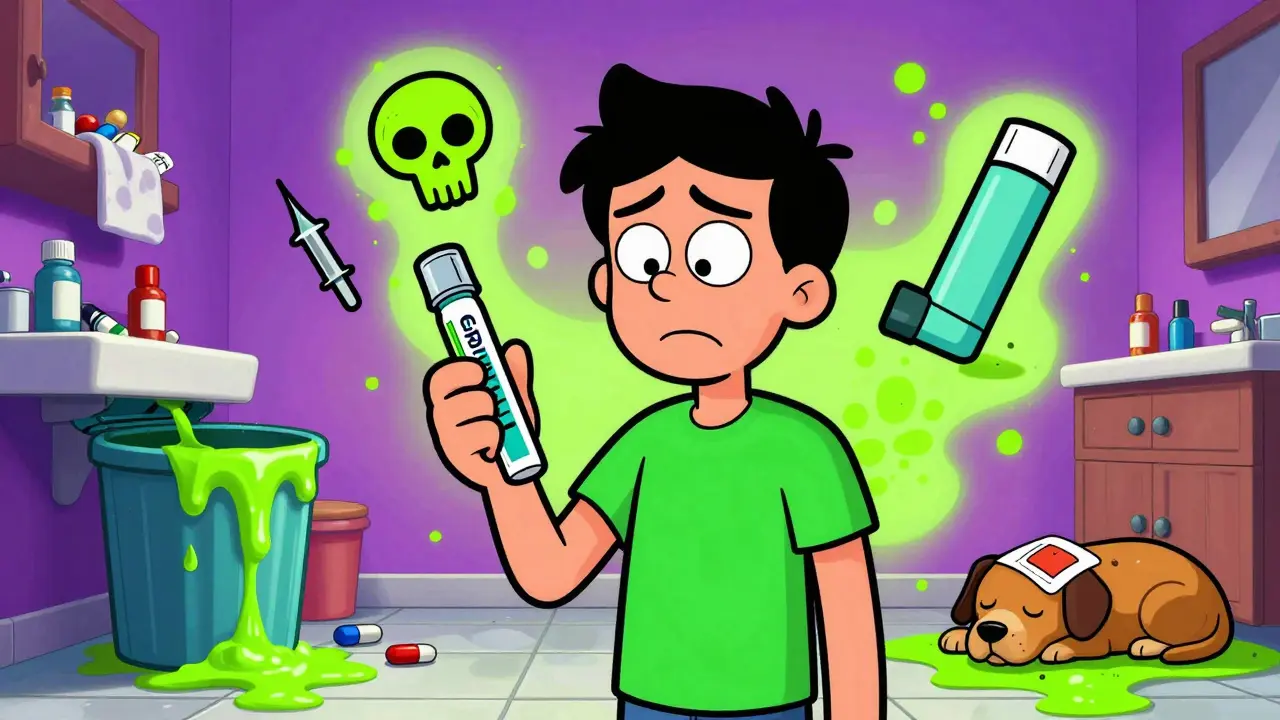
It’s easy to forget about that old EpiPen sitting in your medicine cabinet, especially after it’s expired. Same with that asthma inhaler you haven’t used in months, or the nicotine patch box gathering dust. But throwing them in the regular trash isn’t just sloppy-it’s dangerous. Expired EpiPens still contain active epinephrine. Inhalers are pressurized cans that can explode if crushed or burned. Patches stick to skin and can poison kids or pets if left lying around. The FDA says 12% of accidental poisonings in children come from improperly thrown-away meds. That’s not a small risk. These aren’t regular pills you can flush or toss. They need special handling.
How to Dispose of an Expired EpiPen
EpiPens aren’t just medicine-they’re medical sharps. That needle inside? It’s still sharp, even if the device is empty. The FDA and the American Academy of Allergy, Asthma & Immunology both say: treat it like a syringe. Don’t try to take it apart. Don’t remove the battery. Just leave it alone.
The safest way? Take it back to your doctor’s office or pharmacy when you pick up your new prescription. Most allergists and clinics have sharps bins just for this. If they don’t, ask if they can send it to a certified medical waste handler. Some hospitals and pharmacies run take-back programs, especially during DEA Drug Take Back Days (held twice a year). You can find the nearest drop-off site using the DEA’s online locator.
If you can’t get to a drop-off, here’s what to do at home: Put the EpiPen in a hard plastic container-like an empty laundry detergent bottle. Make sure it’s puncture-proof. Tape the lid shut. Label it clearly: SHARPS, BIOHAZARD, DO NOT RECYCLE. Then put it in your regular trash. In Texas and some other states, this is legal. In California? Not allowed. You must use a mail-back program or a certified collection center. Always check your state’s rules.
What to Do with an Expired Inhaler
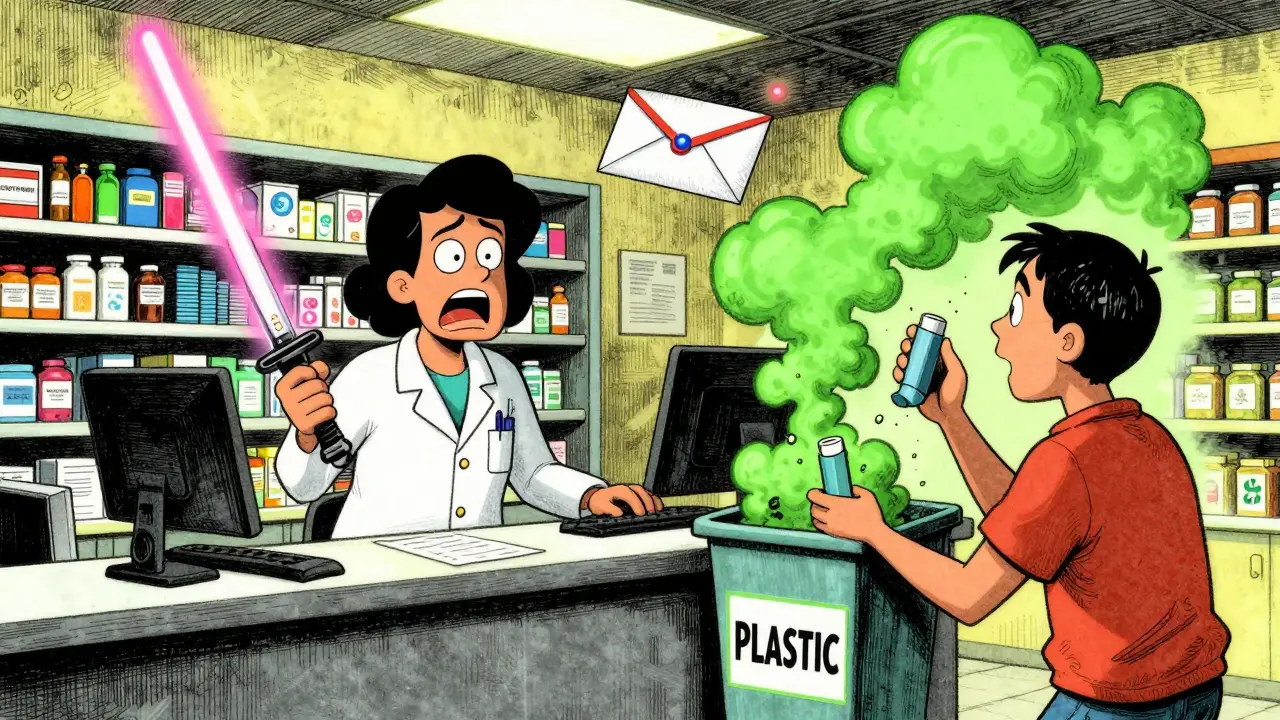
Inhalers are trickier than you think. They’re not just plastic and metal-they’re pressurized cans filled with propellant gases. If you throw one in the recycling bin, it can explode in the truck. If you burn it, it releases greenhouse gases. The EPA says improper inhaler disposal contributes to climate change. And yes, millions get tossed wrong every year.
First, check the label. Some manufacturers give specific disposal instructions. If it says “do not puncture,” don’t. Next, call your local waste management office. Some cities, like New York and Seattle, have special aerosol collection sites. Walgreens and CVS accept inhalers at select locations, but only about half of their stores do. Don’t assume your local pharmacy takes them-call ahead.
If there’s no drop-off nearby, the FDA says you can throw it in the trash… but only after removing the metal canister from the plastic mouthpiece. Separate the parts. Put the plastic part in recycling (if your local program takes it). The metal canister? Tape the nozzle shut, put it in a sealed plastic bag, and toss it in the trash. This reduces risk and helps with recycling.
Flushing vs. Folding: How to Handle Medicated Patches
Not all patches are the same. Nicotine patches? You can fold them and toss them. But fentanyl, buprenorphine, or other strong pain patches? Those are deadly if mishandled. The FDA has a flush list-15 medications you should flush immediately to prevent accidental overdose. Fentanyl patches are on it. So are certain opioids.
For patches on the flush list: Peel it off, fold it in half so the sticky sides stick together, and flush it down the toilet. No waiting. No holding on. This is the only way to keep it out of reach of kids, pets, or scavengers. For patches not on the list-like nicotine or hormone patches-fold them sticky-side-in, put them in a sealed bag, mix them with coffee grounds or cat litter (to make them unappealing), and throw them in the trash. Never leave them unfolded. A single fentanyl patch can kill a child.
There’s also DisposeRx®-a powder you mix with water in a small bag to turn pills and liquids into gel. But CVS says it doesn’t work for patches. The adhesive won’t dissolve, and the drug can still leak. So stick to folding and flushing or sealing.
Where to Find Safe Disposal Locations Near You
Not every pharmacy, hospital, or city offers disposal services. And rural areas? They’re often left out. A 2022 study found only 37% of rural counties have permanent drop-off points. Urban areas? Nearly 90%. That’s a huge gap.
Start with the DEA’s National Take Back Day. It happens in April and October. Over 5,800 locations nationwide-police stations, pharmacies, hospitals-take your meds for free. You don’t need to be a patient. You don’t need ID. Just show up with your expired items.
If you miss the event, use the DEA’s online locator tool. Type in your zip code. It’ll show you permanent drop-off sites. You can also check with your local health department. Some states run mail-back programs-like California’s. You order a prepaid envelope, put your EpiPen or patches inside, seal it, and drop it in the mailbox. No cost. No hassle.
Don’t rely on your pharmacy alone. Many only take pills. One Reddit user wrote: “My CVS said they only take pills, not auto-injectors.” That’s common. Ask specifically: “Do you accept sharps or medical devices?”
What NOT to Do With Expired Medications
Here’s what you should never do:
- Don’t flush patches unless they’re on the FDA’s flush list. Flushing the wrong ones pollutes waterways.
- Don’t put EpiPens in recycling bins. They’re not plastic-you can’t melt them down.
- Don’t try to remove needles or batteries from EpiPens. You’ll risk injury or chemical exposure.
- Don’t leave inhalers in hot cars or near open flames. They can explode.
- Don’t assume “expired” means “safe to throw away.” The medicine is still active. So is the needle.
How to Prevent This Problem in the Future
Don’t wait until your EpiPen expires to think about disposal. Make a habit:
- Check expiration dates every month. Set a phone reminder.
- When you get a new prescription, ask your pharmacist: “Where do I take the old one?”
- Keep a dedicated sharps container at home. They cost $5-$15 at pharmacies. Label it clearly.
- Don’t stockpile. Only keep one or two EpiPens on hand. More than that increases risk.
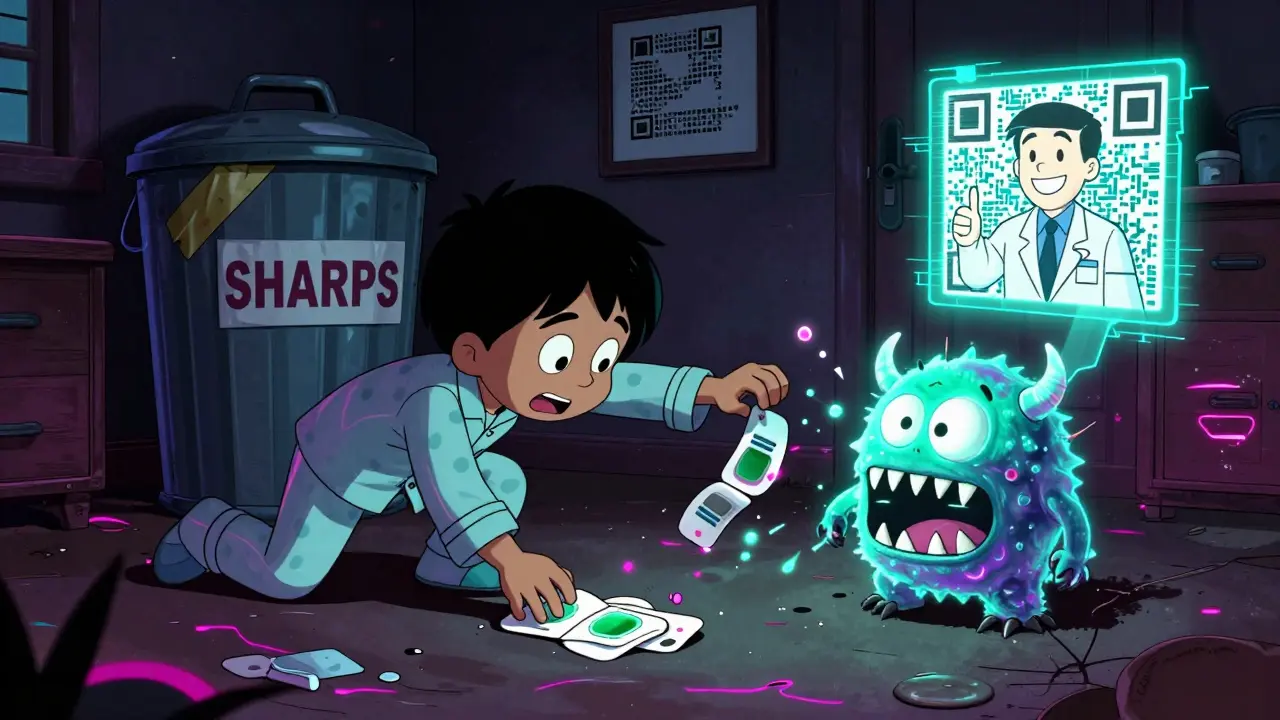
- Look for new packaging with QR codes. Some manufacturers, like Mylan, now include disposal instructions right on the box.
What’s Changing in 2026
Things are getting better. California’s SB 212, which started in January 2024, forces drug companies to pay for disposal programs. That means more drop-off boxes in pharmacies, more mail-back options. The EPA is also tightening rules on pharmaceutical waste under the Resource Conservation and Recovery Act. By 2027, the medication disposal market is expected to hit $1.2 billion as demand grows.
Pharmacies are slowly improving. More are accepting inhalers. More are training staff to answer disposal questions. But until it’s universal, you have to take charge. Don’t wait for the system to catch up. Know your options. Act now.
Can I recycle my expired inhaler?
No, you cannot recycle an entire inhaler. The metal canister contains pressurized gas and could explode in recycling trucks. Remove the plastic mouthpiece and recycle it if your local facility accepts #1 or #2 plastics. The metal canister should be taped shut, placed in a sealed plastic bag, and thrown in the trash. Never put the whole inhaler in the recycling bin.
What if I can’t find a drop-off site near me?
If there’s no nearby drop-off, use a mail-back program if your state offers one (California does). Otherwise, for EpiPens, place them in a puncture-proof container like a laundry detergent bottle, label it clearly, and throw it in the trash. For inhalers, separate the plastic and metal parts. For patches not on the flush list, fold them sticky-side-in, mix with coffee grounds or cat litter, seal in a bag, and trash them. Always check your state’s rules first.
Is it safe to flush fentanyl patches?
Yes, it’s not only safe-it’s required. Fentanyl patches are on the FDA’s flush list because even a small amount can be fatal to children or pets. Fold the patch in half with the sticky sides together and flush it immediately. Do not wait, do not throw it away. This is the only way to prevent accidental overdose.
Why can’t I just throw EpiPens in the regular trash?
EpiPens have a sharp needle inside. If thrown loosely in the trash, they can puncture bags, injure sanitation workers, or be found by children or pets. Even if empty, the device is classified as a medical sharp by the FDA. It must be contained in a rigid, labeled container before disposal. In some states, it’s illegal to dispose of sharps in household trash without proper containment.
Do pharmacies really take back expired EpiPens?
Some do, but not all. Many pharmacies only accept pills and liquids. Ask specifically if they accept sharps or medical devices like EpiPens. Your allergist’s office is often the best place-they’re used to handling them. If you’re unsure, call ahead. The DEA’s Take Back Day is the most reliable option nationwide.

Helen Leite
January 25, 2026 AT 06:29Shelby Marcel
January 26, 2026 AT 19:34Husain Atther
January 26, 2026 AT 21:36Patrick Gornik
January 28, 2026 AT 00:43blackbelt security
January 29, 2026 AT 05:50Izzy Hadala
January 29, 2026 AT 05:52Marlon Mentolaroc
January 30, 2026 AT 18:43Phil Maxwell
January 30, 2026 AT 19:39Tommy Sandri
January 31, 2026 AT 01:03