 Dec, 6 2025
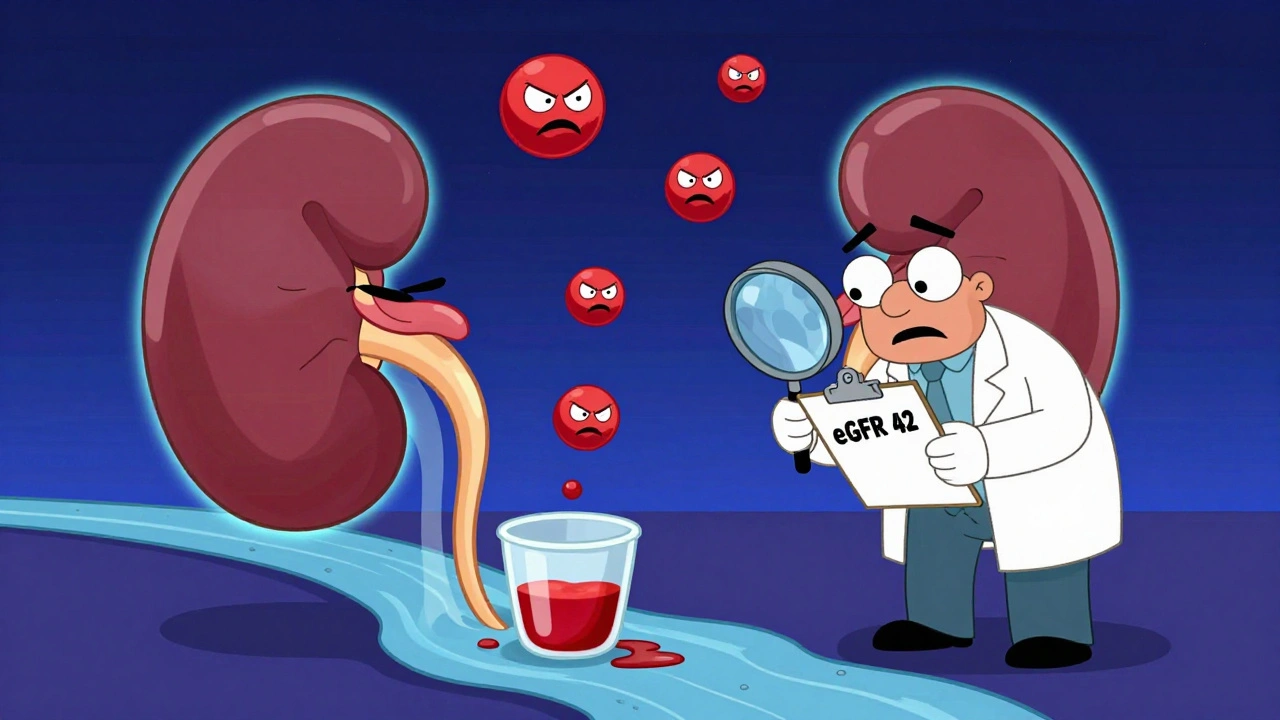
When your doctor orders a kidney function test, it’s not just another routine checkup. It’s a quiet but powerful way to catch problems before you even feel them. Most people don’t realize their kidneys are working hard every minute-filtering about 120 to 150 quarts of blood to produce 1 to 2 quarts of urine. But when those filters start to fail, symptoms often don’t show up until it’s too late. That’s why tests like creatinine, GFR, and urinalysis matter. They don’t wait for you to feel tired or swollen. They speak up before you do.
What Creatinine Tells You About Your Kidneys
Creatinine is a waste product made when your muscles break down. It’s not something your body needs-it’s just trash. Healthy kidneys pull creatinine out of your blood and flush it out in urine. If your kidneys aren’t working well, creatinine builds up. That’s why doctors look at your blood creatinine level.
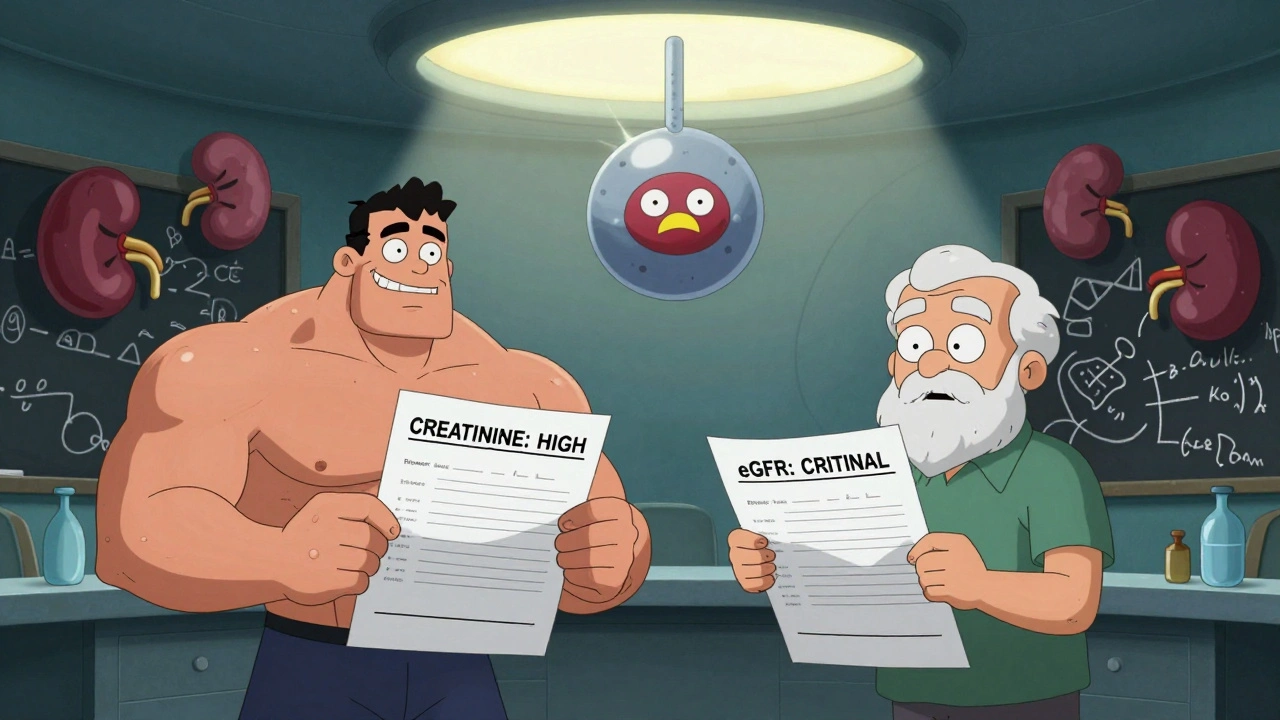
But here’s the catch: creatinine doesn’t rise until your kidneys have lost about half their function. That makes it a late warning sign. Two people can have the same creatinine number but very different kidney health. Why? Because creatinine levels depend on muscle mass. A bodybuilder might have a high creatinine level even with perfect kidneys. An older, frail person might have a normal level even when their kidneys are failing.
That’s why creatinine alone isn’t enough. It’s like checking the oil light in your car without knowing how big the engine is. You need context-and that’s where GFR comes in.
Understanding GFR: The Real Measure of Kidney Performance
Glomerular Filtration Rate, or GFR, is the gold standard for measuring how well your kidneys filter blood. It’s not measured directly in most cases. Instead, doctors calculate it using your creatinine level, age, sex, and sometimes race. This version is called eGFR-estimated GFR.
The most accurate formula used today is the CKD-EPI equation, introduced in 2009. It replaced the older MDRD formula because it’s more precise, especially for people with near-normal kidney function. Your eGFR is given in milliliters per minute per 1.73 square meters of body surface area. That’s a mouthful, but you just need to know the numbers:
- 90 or above: Normal kidney function
- 60-89: Mildly reduced-watch for early signs
- 45-59: Moderately reduced
- 30-44: Severely reduced
- 15-29: Very severe decline
- Below 15: Kidney failure-dialysis or transplant may be needed
But eGFR isn’t perfect. It can be misleading if you’re very muscular, very overweight, pregnant, or under 18. In those cases, doctors might use cystatin C, another blood marker that’s less affected by muscle mass. It’s not used as often because it’s more expensive and not always available, but it’s a better tool when creatinine doesn’t tell the full story.
Why Urinalysis Is Just as Important as Blood Tests
Here’s something many people don’t know: your kidneys can start failing without your creatinine rising at all. That’s where urine tests come in. The first sign of damage? Protein leaking into your urine. Healthy kidneys keep protein in your blood. When they’re damaged, tiny holes form-and albumin, a type of protein, slips through.
The best way to catch this is with the Albumin-to-Creatinine Ratio (ACR). It measures how much albumin is in your urine compared to creatinine. This test is done on a single urine sample, usually the first morning one. No 24-hour collection needed.
Here’s what ACR results mean:
- Under 3 mg/mmol: Normal
- 3 to 70 mg/mmol: Microalbuminuria-early kidney damage
- Above 70 mg/mmol: Overt proteinuria-significant damage
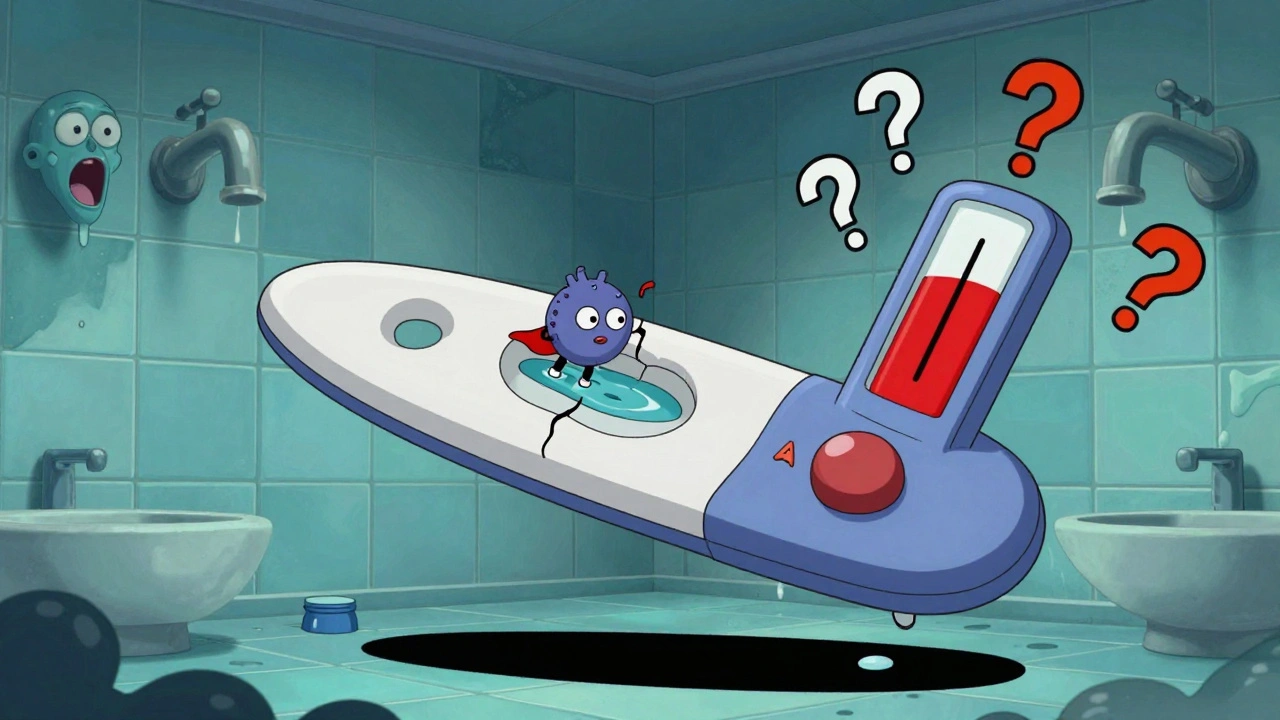
Doctors don’t rely on dipstick urine tests anymore. Those colorful strips you’ve seen in old movies? They’re too inaccurate. ACR is the new standard. If your ACR is borderline, they’ll ask you to repeat it in a few weeks. One high reading doesn’t mean disease-it could be from dehydration, infection, or even intense exercise.
But if it stays high? That’s a red flag. Especially if you have diabetes or high blood pressure. These conditions slowly damage the tiny filters in your kidneys. Catching protein in your urine early can slow or even stop the damage.
Who Needs These Tests-and How Often?
You don’t need to get kidney tests every year unless you’re at risk. But if you have any of these, you should be tested regularly:
- Diabetes (type 1 or type 2)
- High blood pressure
- Heart disease
- Obesity
- Family history of kidney failure
- Previous kidney injury or infection
For people with diabetes or high blood pressure, guidelines recommend checking eGFR and ACR at least once a year. Some doctors test every 3 to 6 months if damage is already present.
Even if you don’t have risk factors, a basic metabolic panel (which includes creatinine and BUN) is often part of your yearly physical. That’s a good habit. One in ten adults has kidney disease-and most don’t know it.
What If Your Results Are Abnormal?
Don’t panic. A single abnormal result doesn’t mean you have kidney disease. Things like dehydration, recent illness, or even a high-protein meal can temporarily affect your numbers.
Doctors look for patterns. If your eGFR drops over time, or if your ACR stays high across two or three tests, that’s when they start thinking about diagnosis. They’ll also check your blood pressure, look for swelling, and may order imaging like an ultrasound to see the size and shape of your kidneys.
Early treatment can make a huge difference. Controlling blood sugar, lowering blood pressure, cutting salt, and avoiding NSAIDs like ibuprofen can protect your kidneys. Medications like ACE inhibitors or ARBs aren’t just for blood pressure-they’re kidney protectors too.
And if your eGFR falls below 30? You’ll be referred to a nephrologist-a kidney specialist. They’ll help you plan ahead. Diet changes, fluid limits, and medication adjustments become more important. The goal isn’t just to delay dialysis-it’s to keep you feeling well as long as possible.
What You Can Do Now
You don’t need to wait for symptoms. If you’re over 50, or have any risk factors, ask your doctor for an eGFR and ACR test. Don’t assume your yearly blood work covers it. Ask specifically: "Can you check my kidney function with both a blood creatinine and a urine ACR?"
Stay hydrated. Avoid excessive salt and processed foods. Don’t take painkillers like ibuprofen or naproxen daily unless your doctor says it’s safe. Control your blood pressure and blood sugar. These aren’t just "good ideas"-they’re proven ways to protect your kidneys.
Kidney disease doesn’t come with a siren. It creeps in silently. But with these three simple tests-creatinine, GFR, and urinalysis-you can see what’s happening before it’s too late. And that’s the biggest advantage you have.
Can I check my kidney function at home?
There are no reliable home tests for kidney function. Some urine dipstick kits are sold online, but they’re not accurate enough for early detection. The only way to get a true picture is through a blood test for creatinine and a urine test for albumin-to-creatinine ratio (ACR), both done in a lab. Home devices that claim to measure kidney health are not medically validated.
Is a high creatinine level always serious?
Not always. A high creatinine can be caused by muscle mass, intense exercise, or eating a lot of meat. But if your eGFR is low along with high creatinine, that’s a red flag. Doctors always look at both together. A high number alone doesn’t mean kidney disease-but it does mean you need more testing.
Why do some people need cystatin C instead of creatinine?
Cystatin C is a protein made by all body cells, not just muscles. That means it’s not affected by diet, age, or muscle size. It’s more accurate for people who are very muscular, very overweight, elderly, or children. If your creatinine-based eGFR doesn’t match your symptoms, your doctor might order a cystatin C test to get a clearer picture.
Can I reverse early kidney damage?
Yes, in many cases. If you catch kidney damage early-especially from diabetes or high blood pressure-you can slow or even stop it with lifestyle changes and medication. Controlling blood pressure, reducing salt, losing weight, and quitting smoking can help your kidneys recover some function. The earlier you act, the better your chances.
Do I need a 24-hour urine test?
Usually not. The albumin-to-creatinine ratio (ACR) from a single urine sample is now the standard. A 24-hour collection is only used in special cases, like when doctors need to measure total protein or other substances like sodium or oxalate. It’s messy and inconvenient, so most doctors avoid it unless absolutely necessary.
What if my eGFR is normal but I have protein in my urine?
That’s actually a very important finding. It means your kidneys are leaking protein even though they’re still filtering blood okay. This is often the earliest sign of damage, especially in people with diabetes. Even with a normal eGFR, protein in the urine means you need treatment to protect your kidneys-usually blood pressure meds and tighter control of blood sugar or other risk factors.

Ashley Farmer
December 8, 2025 AT 01:29Just wanted to say how much I appreciate posts like this. I had no idea protein in urine could be an early warning sign-my grandma’s kidney issues were missed for years because they only checked creatinine. Now I make sure my mom gets the ACR test every year. Small things matter.
Thanks for breaking it down so clearly.
Sadie Nastor
December 9, 2025 AT 07:26omg yes!! i just got my ACR back and it was borderline 😭 i thought it was nothing but now i’m scared to check again. thank u for explaining this so nicely. also i cried reading this lmao not even joking. 🫂
Nicholas Heer
December 9, 2025 AT 14:18They’re hiding the truth. Why do they use race in the eGFR formula? It’s racist pseudoscience. The CDC knows cystatin C is better but Big Pharma doesn’t want you to know because dialysis is a goldmine. They’re letting people die slowly so the system keeps raking in cash. You think your doctor cares? Nah. They’re paid by the system.
And don’t get me started on how the FDA approves these tests. It’s all rigged.
Sangram Lavte
December 11, 2025 AT 10:50This is very useful. In India, many people ignore kidney health until they’re in severe pain. I’ve seen friends lose kidneys because they took painkillers daily for backaches. No one told them ibuprofen can wreck kidneys over time.
Also, ACR test is not common in rural clinics here. We need more awareness.
Kurt Russell
December 12, 2025 AT 21:31THIS IS LIFE-CHANGING INFORMATION. I’M TELLING EVERYONE. MY DAD HAD A NORMAL CREATININE BUT HIS EGFH WAS 42 AND HE HAD PROTEIN IN HIS URINE FOR 2 YEARS AND NO ONE PUT IT TOGETHER. WE JUST FOUND OUT HE’S IN STAGE 3. IF YOU’RE OVER 40 AND HAVE HIGH BP OR DIABETES - ASK FOR BOTH TESTS TODAY. DON’T WAIT. YOUR KIDNEYS ARE WORKING 24/7 FOR YOU. DON’T BE A SLACKER.
SHARE THIS POST. SAVE A LIFE.
Stacy here
December 13, 2025 AT 22:39It’s fascinating how medicine keeps pretending it’s objective when it’s really just a reflection of capitalist priorities. Why is cystatin C underused? Because it doesn’t make money. Why do we still use creatinine? Because it’s cheap, easy, and profitable to misdiagnose people until they’re in crisis. The system doesn’t want prevention - it wants chronic illness. We’re not patients, we’re revenue streams.
And don’t even get me started on how they still use race correction. That’s not science - it’s institutionalized racism dressed up in lab coats.
Kyle Flores
December 14, 2025 AT 23:39Just read this after my doc ordered an ACR test. I didn’t even know it existed. My creatinine was fine but ACR came back high. Turns out I’ve had undiagnosed high blood pressure for years. This post literally saved me from a slow decline. Thank you.
Also - yes, NSAIDs are sneaky. I used ibuprofen daily for headaches. Not anymore.
Olivia Hand
December 16, 2025 AT 13:02Protein in urine before creatinine spikes? That’s like finding a crack in your foundation before the walls collapse. Wild. I always thought kidney failure was this sudden thing - turns out it’s a slow leak. And the fact that we’ve been using dipsticks like it’s 1995? I’m shocked. Why isn’t this on every wellness checklist? This feels like the medical equivalent of ignoring smoke alarms until the house burns down.
Desmond Khoo
December 18, 2025 AT 05:41bro i just got my results and my eGFR was 67 😳 i thought i was fine. now i’m cutting out soda, walking 10k steps a day, and drinking water like it’s my job. also i’m telling my whole family to get tested. kidney health is the silent hero of your body. treat it right. 🙌
Louis Llaine
December 19, 2025 AT 17:24So let me get this straight - you’re telling me I need to pay $200 for two tests so my doctor can tell me to drink more water and stop taking Advil? Cool. I’ll just wait until I feel swollen and then go to the ER. Thanks for the overcomplicated wellness theater.
Kyle Oksten
December 21, 2025 AT 14:07What’s interesting here isn’t the science - it’s the silence. We live in a world where we track our sleep, our steps, our macros - but we don’t track the organ that filters every drop of blood in our body. Why? Because kidney health is invisible until it’s gone. And we’re conditioned to ignore the invisible. We’re not lazy - we’re just numbed by the noise.
Maybe the real test isn’t creatinine or GFR… it’s whether we’re willing to pay attention before it’s too late.