 Dec, 30 2025
Medication Side Effect Checker
Check if Your Medications May Affect Your Sex Life
Enter medications you're taking to identify potential sexual side effects and safer alternatives.
Results
Many people don’t realize that the pills they take every day for depression, high blood pressure, or prostate issues can quietly affect their sex life. It’s not rare. It’s not unusual. It’s common-so common that up to 73% of people on certain antidepressants report sexual problems. Yet, most never talk about it with their doctor. Why? Because they think it’s just part of aging, stress, or something they have to live with. But it’s not. It’s a known side effect of medications you’re already taking-and it’s manageable.
How Medications Kill Libido (And What’s Really Going On)
Your sex drive doesn’t just vanish out of nowhere. It’s often hijacked by chemicals in your bloodstream. Antidepressants, especially SSRIs like sertraline, fluoxetine, and paroxetine, increase serotonin levels to help with mood-but that same increase can shut down sexual response. Serotonin doesn’t just lift your spirits; it dampens dopamine, the brain’s main pleasure and desire chemical. The result? Low libido, trouble getting or keeping an erection, delayed or absent orgasm, and even numbness in the genitals.
It’s not just antidepressants. Blood pressure meds are another big offender. Thiazide diuretics like hydrochlorothiazide (Microzide) are the most common cause of erectile dysfunction among heart medications. Beta blockers like atenolol reduce blood flow to the genitals and blunt arousal signals. Even drugs for acid reflux-like proton pump inhibitors-have been linked to lower testosterone and reduced desire in some men, though the exact mechanism isn’t fully understood.
And then there are the prostate drugs. Finasteride and dutasteride, used to shrink the prostate or treat hair loss, block DHT-a hormone critical for sexual function. About 1 in 6 men on these drugs report lasting sexual side effects, even after stopping them. Antiandrogens like bicalutamide, used in prostate cancer treatment, cause near-universal loss of libido and erectile function. These aren’t side effects you can ignore. They’re part of the trade-off-but you deserve to know what you’re signing up for before you start.
Which Antidepressants Are Worst (and Best) for Your Sex Life?
Not all antidepressants are created equal when it comes to sex. If you’re struggling with low desire or orgasm problems, your medication might be the culprit-not your relationship, your stress, or your body.
Among SSRIs, paroxetine (Paxil) is the worst offender, with up to 65% of users reporting sexual dysfunction. Fluvoxamine (Luvox) follows at 59%, sertraline (Zoloft) at 56%, and fluoxetine (Prozac) at 54%. Even worse, clomipramine-a tricyclic antidepressant-caused total or partial inability to orgasm in 93% of patients in one study.
But here’s the good news: not all antidepressants do this. Bupropion (Wellbutrin) and mirtazapine (Remeron) have much lower rates of sexual side effects. In fact, bupropion is often chosen specifically for patients who’ve had problems with SSRIs. Some people even report improved libido on bupropion. Mirtazapine doesn’t strongly affect serotonin the same way SSRIs do, making it a gentler option for sexual health.
If you’re on an SSRI and your sex life has changed, ask your doctor about switching. Don’t stop cold turkey. Withdrawal can be brutal. But switching to a different antidepressant-with medical supervision-can restore your sexual function without losing the mental health benefits.
Heart Medications and Sexual Health: The Hidden Trade-Off
High blood pressure isn’t just a number on a screen. It’s a silent threat to your heart, kidneys, and yes-your sex life. About 10% of heart failure patients say their sexual problems are directly tied to their meds. And for women, the impact is different: 41% report decreased desire, 34% say they get less pleasure.
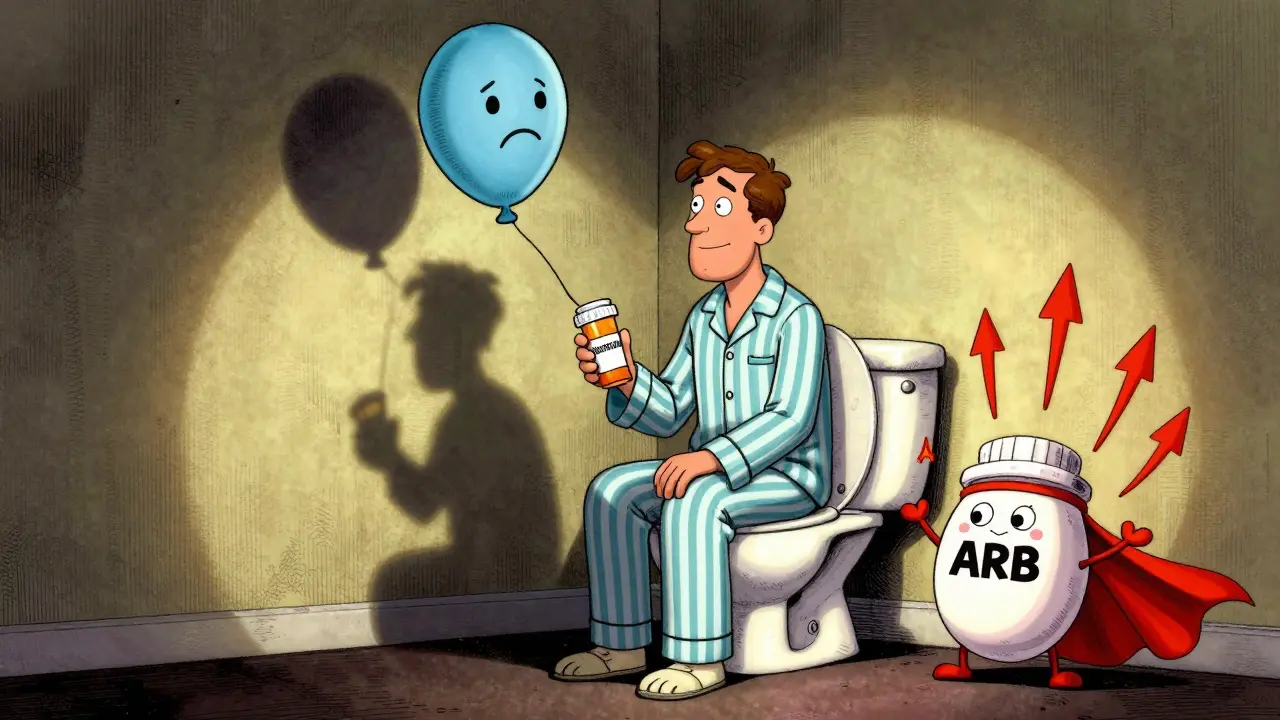
Thiazide diuretics and beta blockers are the biggest culprits. Hydrochlorothiazide reduces blood volume and flow, making it harder to get an erection. Beta blockers slow heart rate and reduce arousal signals. But not all blood pressure drugs are bad. Angiotensin II receptor blockers like valsartan have actually been shown to improve sexual desire and fantasies in women compared to beta blockers. That’s not a fluke. It’s a clue.
If you’re on a blood pressure med and your sex life has tanked, ask if you can switch to an ARB. It’s not always possible-your doctor has to consider your overall heart health-but it’s worth discussing. You shouldn’t have to choose between living longer and enjoying your body.
Other Surprising Culprits: Painkillers, Epilepsy Drugs, and More
It’s not just antidepressants and heart meds. Opioids like oxycodone and hydrocodone can shut down your hormone system. They bind to receptors in your brain that control testosterone production. The result? Low testosterone, erectile dysfunction, and loss of libido-even in young men who’ve never had issues before.
Gabapentin and pregabalin, used for nerve pain and epilepsy, are also linked to sexual dysfunction. They raise levels of a protein that binds testosterone, making less of it available to your body. Even though these drugs aren’t meant to affect sex, they do-and often without warning.
And then there are the rare but serious side effects: painful ejaculation, penile anesthesia, and even priapism-a prolonged, painful erection that needs emergency care. These aren’t common, but they’ve been documented in case reports across multiple drug classes. If something feels wrong down there, don’t assume it’s normal. Document it. Talk about it.
What You Can Do: Practical Steps to Regain Control
You don’t have to live with a broken sex life because of your meds. Here’s what actually works:
- Talk to your doctor. Don’t wait. Don’t feel embarrassed. Say: “I’ve noticed my sex drive has dropped since I started this med. Is there another option?”
- Ask about switching. If you’re on paroxetine, could you try bupropion? If you’re on a beta blocker, could you try valsartan? There are alternatives.
- Try a “drug holiday.” For some SSRIs, skipping the pill for 1-2 days a week (under medical supervision) can restore sexual function without triggering withdrawal.
- Time your dose. Some people find taking their SSRI after sex helps reduce interference with arousal and orgasm.
- Consider adding sildenafil (Viagra) or tadalafil (Cialis). Studies show 74-95% of men with SSRI-induced erectile dysfunction respond well to these drugs. It’s not a cure, but it’s a tool.
- Move your body. Exercise improves blood flow, boosts testosterone, and lifts mood-all of which help sexual function. Even 30 minutes of walking a day makes a difference.
And if you’re starting a new medication-especially for prostate issues, cancer, or chronic pain-ask upfront: “What are the sexual side effects?” Don’t wait until it’s too late.
When to Worry: Red Flags You Can’t Ignore
Most sexual side effects are annoying but not dangerous. But some need immediate attention:
- Priapism (erection lasting more than 4 hours)
- Sudden, severe pain during or after ejaculation
- Loss of sensation in genitals or nipples that doesn’t go away
- Significant mood changes after starting a new drug
If any of these happen, call your doctor or go to urgent care. These aren’t normal side effects. They’re warning signs.
The Bigger Picture: Why This Matters
Sexual side effects aren’t just about pleasure. They’re about identity, connection, self-esteem, and mental health. People stop taking their antidepressants because they can’t stand how the meds make them feel-not because the depression is back, but because they feel emotionally numb and physically disconnected. That’s why up to half of patients discontinue their meds due to sexual side effects.
Doctors are starting to pay attention. The American Urological Association now recommends routine screening for medication-induced sexual dysfunction in patients on long-term antidepressants, antihypertensives, or prostate meds. The FDA requires drug makers to track sexual side effects in clinical trials. Progress is slow, but it’s happening.
You don’t have to accept this as inevitable. You have the right to ask, to explore alternatives, and to reclaim your body. Medications are tools-not life sentences. And your sex life? It’s part of your health, too.
Can antidepressants permanently damage sexual function?
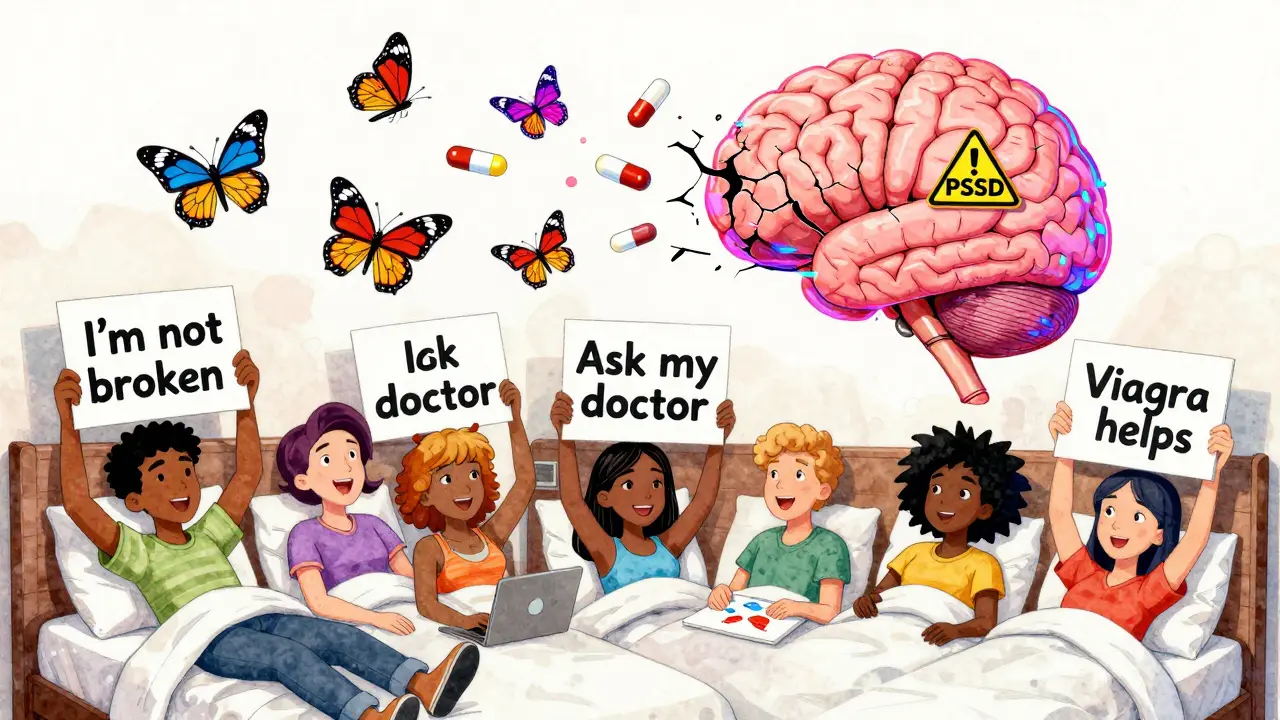
For most people, sexual side effects go away after stopping the medication. But in a small number of cases-especially with SSRIs and finasteride-symptoms can persist for months or even years after discontinuation. This is called Post-SSRI Sexual Dysfunction (PSSD) or Post-Finasteride Syndrome. It’s rare, but real. If symptoms last beyond a few weeks after stopping, see a specialist.
Do all SSRIs cause the same sexual side effects?
No. While all SSRIs can cause sexual side effects, the risk varies. Paroxetine has the highest rate (65%), followed by fluvoxamine (59%) and sertraline (56%). Fluoxetine has a slightly lower rate (54%), and escitalopram is often considered milder. Bupropion and mirtazapine, which aren’t SSRIs, have much lower risks and are often used as alternatives.
Can I take Viagra with my antidepressant?
Yes, in most cases. Sildenafil (Viagra) and tadalafil (Cialis) are commonly prescribed alongside SSRIs to treat erectile dysfunction caused by antidepressants. Studies show 74-95% of men respond well to this combination. Always check with your doctor first, especially if you’re on nitrates or have heart conditions.
Why don’t doctors talk about this more?
Many doctors assume patients won’t bring it up, or they’re afraid of overwhelming them with side effects. Some don’t realize how common it is-up to 40% of patients on antidepressants experience sexual dysfunction. Others think it’s just part of depression. But research shows that discussing it upfront improves adherence and quality of life. Don’t wait for your doctor to ask-ask them yourself.
Are there natural ways to reverse medication-induced sexual dysfunction?
Exercise, stress reduction, and good sleep can help improve blood flow and hormone balance. Some people report benefits from L-arginine or ginseng, but there’s no strong evidence these reverse drug-induced dysfunction. The most effective approach is adjusting your medication under medical supervision. Natural remedies won’t fix a chemical imbalance caused by a drug.
Should I stop my medication if I’m having sexual side effects?
Never stop abruptly. Stopping antidepressants or blood pressure meds suddenly can cause dangerous withdrawal symptoms, rebound hypertension, or worsening depression. Always work with your doctor to adjust your treatment plan safely. There are almost always alternatives-just not ones you can find on your own.
Next Steps: What to Do Today
If you’re on medication and noticing changes in your sex life:
- Write down what’s changed-libido, arousal, orgasm, pain, numbness.
- Check the timeline: Did it start after you began the drug?
- Make a list of all your medications, including doses and how long you’ve been on them.
- Ask your doctor: “Could any of these be causing sexual side effects? Are there alternatives?”
- Bring this article with you. It’s a starting point for a real conversation.
You didn’t sign up for this. But you can change it. You’re not broken. Your body isn’t failing you. Your medication might be. And that’s something you can fix-with the right information and the right support.

Chandreson Chandreas
December 31, 2025 AT 09:28Darren Pearson
January 1, 2026 AT 22:25Stewart Smith
January 2, 2026 AT 06:42Retha Dungga
January 2, 2026 AT 23:00Jenny Salmingo
January 3, 2026 AT 12:14Sara Stinnett
January 3, 2026 AT 15:49linda permata sari
January 4, 2026 AT 14:30Brandon Boyd
January 6, 2026 AT 00:57Branden Temew
January 7, 2026 AT 15:03Frank SSS
January 8, 2026 AT 21:44Paul Huppert
January 10, 2026 AT 13:31Hanna Spittel
January 12, 2026 AT 07:54