 May, 23 2026
Waking up with a parched throat or hearing that dreaded hissing sound from your CPAP machine is a medical device used to treat obstructive sleep apnea by delivering continuous positive airway pressure can ruin your confidence in the therapy. You aren't alone. Nearly half of users struggle with these exact issues, but most give up too soon. The good news? These problems are rarely permanent. They usually stem from simple setup errors, not broken equipment.
I’ve spent years talking to patients and specialists about why people quit their therapy within the first month. It’s almost always one of three things: dry mouth, air leaks, or uncomfortable pressure. Let’s walk through how to fix each one so you can get back to sleeping soundly.
Why Your Mouth Feels Like a Desert
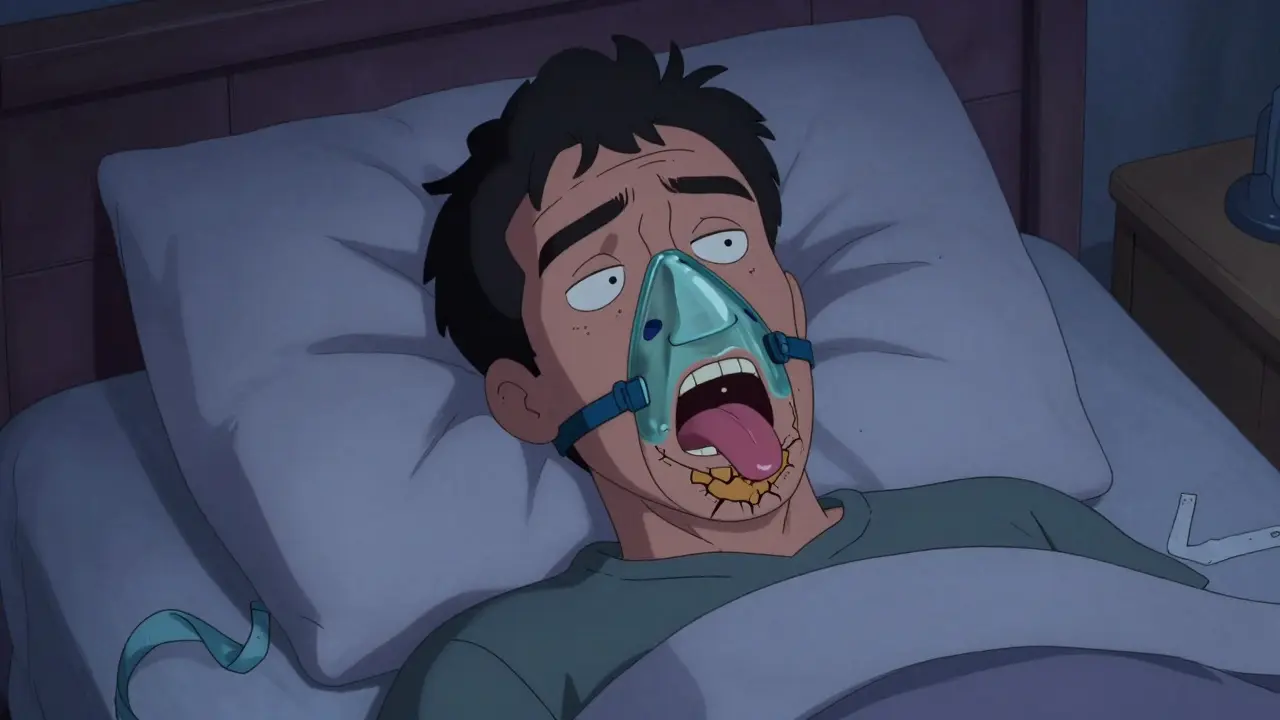
If you wake up unable to swallow without water, you’re likely breathing through your mouth during the night. This is the number one cause of dry mouth is a common side effect of CPAP therapy caused by mouth breathing rather than insufficient humidity. Even if your humidifier is cranked up, mouth breathing bypasses the moisture meant for your nose and dries out your oral cavity instantly.
Dr. Raj Dasgupta, a leading sleep specialist, points out that 42% of CPAP users experience this issue, and it’s rarely the machine’s fault. Here is how to stop it:
- Try a chin strap: If you use a nasal mask, a soft fabric chin strap keeps your jaw closed. About 38% of mouth breathers find this solution effective immediately.
- Switch to a full-face mask: If you naturally breathe through your mouth, a nasal-only mask won’t work well. A full-face mask covers both your nose and mouth, delivering humidified air directly where you need it. One user reported their dry mouth vanished completely within three nights of switching.
- Check your heated tubing: Cold air drying out your throat is another culprit. Using heated tubing (often called ClimateLineAir) warms the air as it travels to your mask, reducing dry mouth complaints by over 30%.
Avoid turning your humidifier to the maximum setting right away. Start at level 3 or 4 on a 6-level scale. Too much heat can actually cause "rainout"-where condensation builds up in the tube and sprays into your face, which is equally unpleasant.
Silencing the Hiss: Fixing Mask Leaks
A small leak might seem harmless, but Dr. David White warns that leaks greater than 24 liters per minute significantly reduce treatment efficacy. That hiss isn’t just annoying; it means you aren’t getting the prescribed pressure to keep your airway open. Worse, air blowing into your eyes can disrupt your sleep cycle entirely.
Before you buy a new mask, try these adjustments. Most leaks are due to improper fit, not a defective cushion.
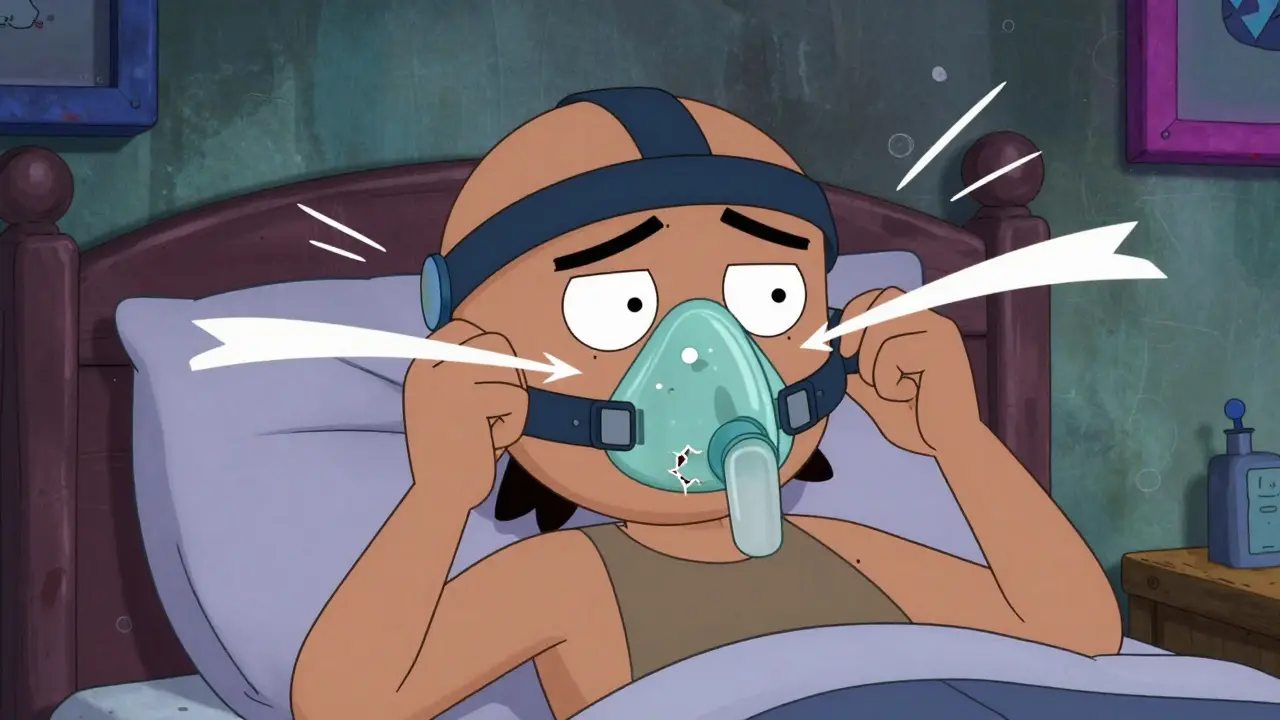
- The Airflow Test: Turn on your CPAP while sitting upright. Put the mask on loosely. Breathe normally. Slowly tighten the headgear straps until the hissing noise stops. This usually takes 3-5 minor adjustments. Do not overtighten, as this causes skin irritation and worsens leaks by distorting the mask shape.
- Check the Cushion Age: Silicone cushions degrade over time. Replace them every three months. If the material feels hard or cracked, no amount of tightening will seal it.
- Adjust Headgear Position: Ensure the top strap sits above your eyebrows and the bottom strap rests under your chin. If the mask shifts when you turn your head, the headgear may be too loose or stretched out.
If you still have leaks after trying these steps, your mask size might be wrong. Sleep clinics often measure faces incorrectly. A mask that fits perfectly in the clinic might feel different at home due to facial hair changes or weight fluctuations. Consider using a mask fitting kit to test sizes before committing to a purchase.
Finding the Sweet Spot: Pressure Adjustments
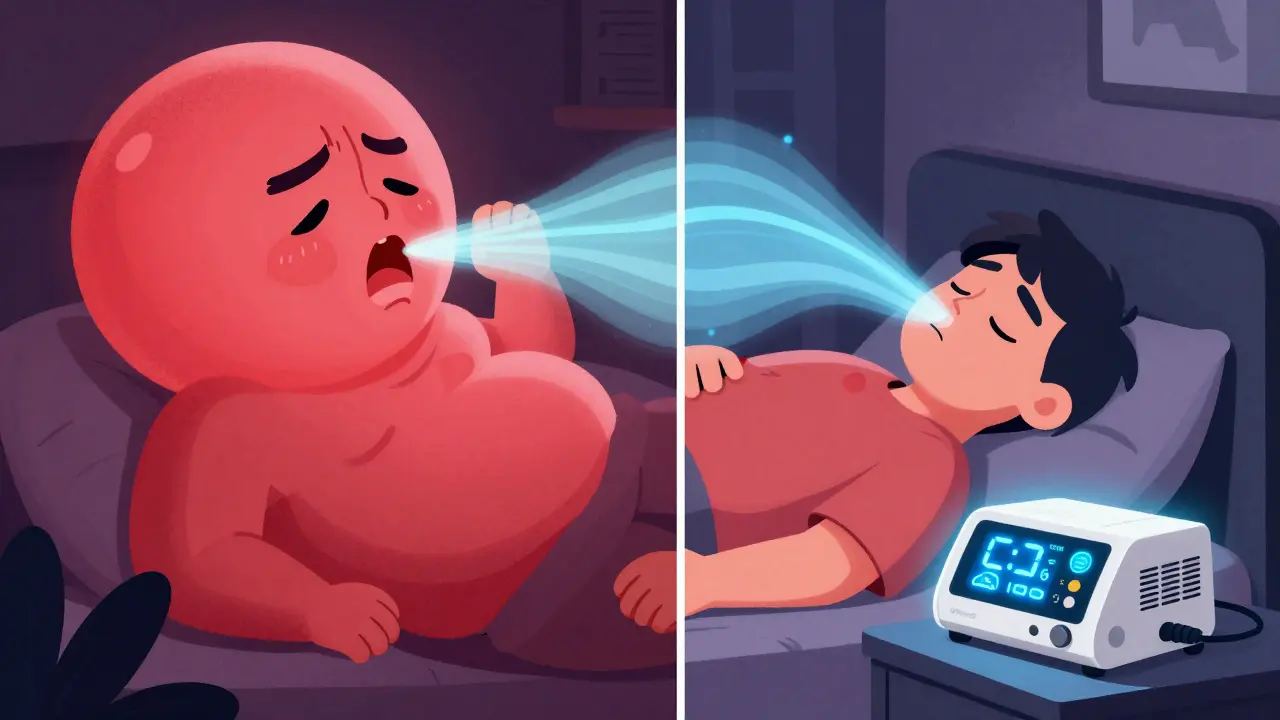
Pressure discomfort falls into two camps: it’s either too high, causing bloating or difficulty exhaling, or too low, failing to prevent apneas. Never adjust your base pressure settings yourself unless explicitly instructed by your doctor. However, there are features built into modern machines like the ResMed AirSense 11 is a popular auto-adjusting CPAP device released in 2022 with advanced leak detection and pressure algorithms that improve comfort without changing the prescription.
Expiratory Pressure Relief (EPR): Also known as C-Flex or Bi-Level Comfort, this feature lowers the pressure slightly when you exhale. It makes breathing out against the airflow feel more natural. Many users report that enabling EPR at level 1 or 2 solves their "air hunger" sensation.
Ramp Time: If falling asleep is the hardest part, increase your ramp time. This allows the machine to start at a lower, comfortable pressure and gradually rise to your therapeutic level over 15-45 minutes. You’ll be asleep before the full pressure kicks in.
If you feel chest discomfort or bloating (aerophagia), your pressure might be too high. In my experience working with patients, many were initially prescribed pressures around 14 cm H2O only to find relief at 9 cm H2O after a follow-up titration study. Always consult your sleep specialist before lowering pressure manually. Self-adjusting beyond manufacturer limits can void warranties and compromise your health.
| Problem | Likely Cause | Immediate Solution |
|---|---|---|
| Dry Mouth | Mouth breathing | Use chin strap or switch to full-face mask |
| Eye Irritation | Upward mask leak | Tighten headgear slightly; check cushion seal |
| Bloating/Gas | Swallowing air (Aerophagia) | Enable Expiratory Pressure Relief (EPR) |
| Noisy Machine | Dirty filter or fan wear | Replace foam filter monthly; HEPA filter quarterly |
| Condensation in Tube | Cold air meeting warm humidified air | Use heated tubing or lower humidifier setting |
Maintenance Matters: Keeping Your System Clean
A clogged filter or dirty mask can mimic symptoms of poor pressure or leaks. Dust buildup restricts airflow, forcing the motor to work harder, which increases noise and reduces efficiency. Standard foam filters should be replaced every 30 days. Ultrafine HEPA filters last about 90 days but require a dust-free environment to maintain their lifespan.
Clean your mask cushion and headgear weekly with mild soap and warm water. Avoid harsh chemicals like bleach, which break down silicone seals faster. Let everything air dry completely before reassembling. Moisture trapped in the mask promotes bacterial growth, which can lead to respiratory infections.
Empty and rinse your water chamber daily. Stagnant water breeds bacteria and mold. Use distilled water instead of tap water to prevent mineral deposits from building up inside the humidifier block. If you see white crusty residue, descale the chamber with a mixture of white vinegar and water once a month.
When to Call for Help
Most troubleshooting can be done at home. However, contact your provider or sleep specialist if:
- You’ve adjusted your mask and pressure settings but still experience significant leaks (over 24 L/min).
- You feel worse during the day despite using the machine nightly.
- Your machine displays error codes related to internal sensors or motor failure.
- You suspect your prescribed pressure is incorrect based on persistent apneas recorded in your usage data.
Modern devices like the Philips DreamStation 2 and ResMed AirSense 11 track your usage and leak rates automatically. Review your app data weekly. If your Apnea-Hypopnea Index (AHI) remains above 5 despite consistent use, your therapy needs re-evaluation. Don’t suffer in silence. Properly tuned CPAP therapy can reduce cardiovascular risks by 30% over five years and dramatically improve cognitive function. It’s worth the effort to get it right.
How do I know if my CPAP mask is leaking?
You can detect leaks by listening for a hissing sound near your eyes or nose while the machine is running. Most modern CPAP machines also display a leak rate on the screen or in the companion app. A leak rate exceeding 24 liters per minute is considered significant and requires adjustment. If you wake up with dry eyes or skin irritation around the mask, you likely have an upward leak.
Can I adjust my CPAP pressure myself?
No, you should not change your base pressure settings without consulting your sleep specialist. Doing so can void your warranty and compromise your treatment efficacy. However, you can adjust comfort features like Expiratory Pressure Relief (EPR) and Ramp Time, which are designed to make the prescribed pressure feel more comfortable without altering the therapeutic outcome.
Why does my CPAP make me feel bloated?
This condition is called aerophagia, where you swallow air instead of breathing it into your lungs. It often happens when the pressure is set too high or if you have difficulty exhaling against the airflow. Enabling Expiratory Pressure Relief (EPR) or C-Flex mode can help by lowering the pressure slightly during exhalation. If bloating persists, consult your doctor to potentially lower your prescribed pressure.
How often should I replace my CPAP mask cushion?
It is recommended to replace your mask cushion every three months. Over time, the silicone material loses its elasticity and develops micro-tears, leading to increased leaks and discomfort. If you notice frequent leaks despite proper fitting, or if the cushion feels hard or discolored, replace it sooner. Regular replacement ensures a proper seal and hygiene.
What is the best way to prevent rainout in my CPAP tubing?
Rainout occurs when warm, humidified air cools down in the tube, causing condensation. To prevent this, use heated tubing (ClimateLineAir) which maintains the air temperature throughout the length of the hose. You can also lower the humidifier setting on your machine or ensure the tube hangs below the height of the water chamber to allow any droplets to drain back into the reservoir.
