 Aug, 12 2026
Goldenseal Drug Interaction Checker
Select Your Medications
Click on the medications you are currently taking to check for risks.
Analysis Result
Select medications and click "Check Interactions" to see potential risks.
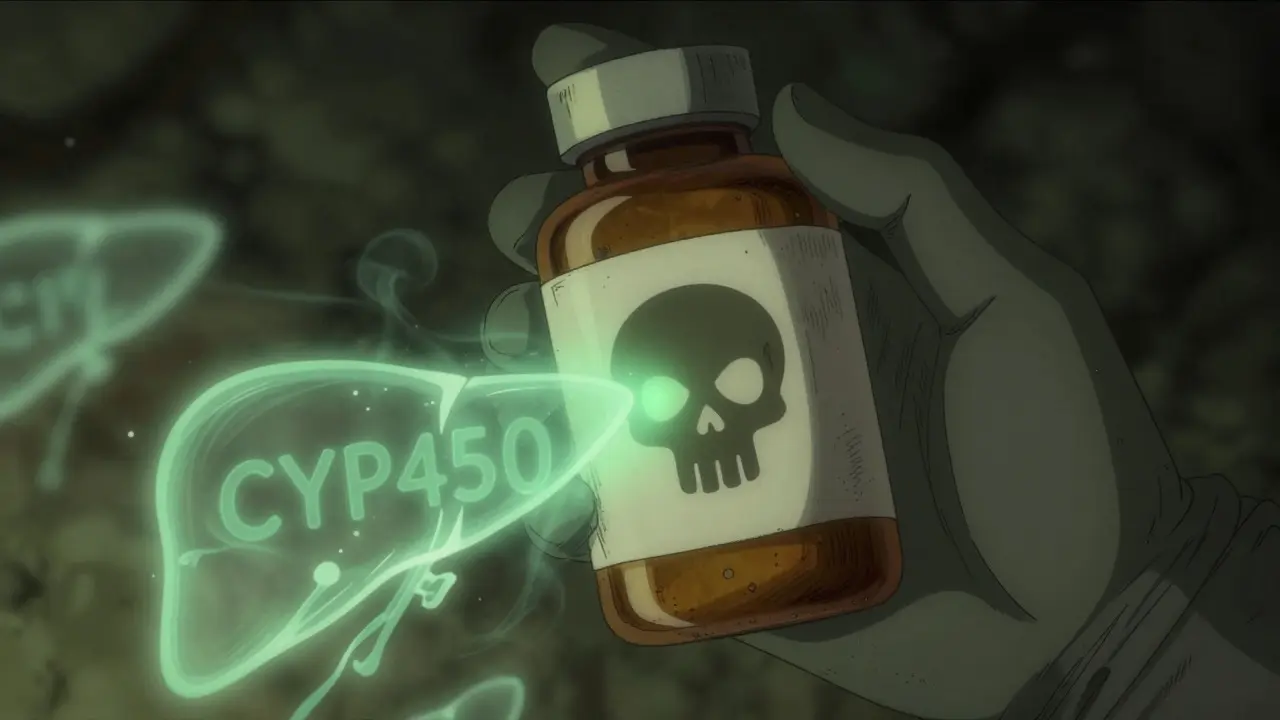
You grab that bottle of Goldenseal is a popular herbal supplement derived from Hydrastis canadensis, traditionally used for immune support and digestive health. off the shelf because it’s natural. It’s supposed to help with your sinus infection or maybe boost your immunity. But if you are also taking prescription medication, that “natural” label might be hiding a serious risk. Goldenseal doesn’t just sit quietly in your stomach; it actively changes how your liver processes drugs. For many people, combining this herb with standard medications can lead to dangerous spikes in drug levels in the blood, turning a routine dose into a potential overdose.
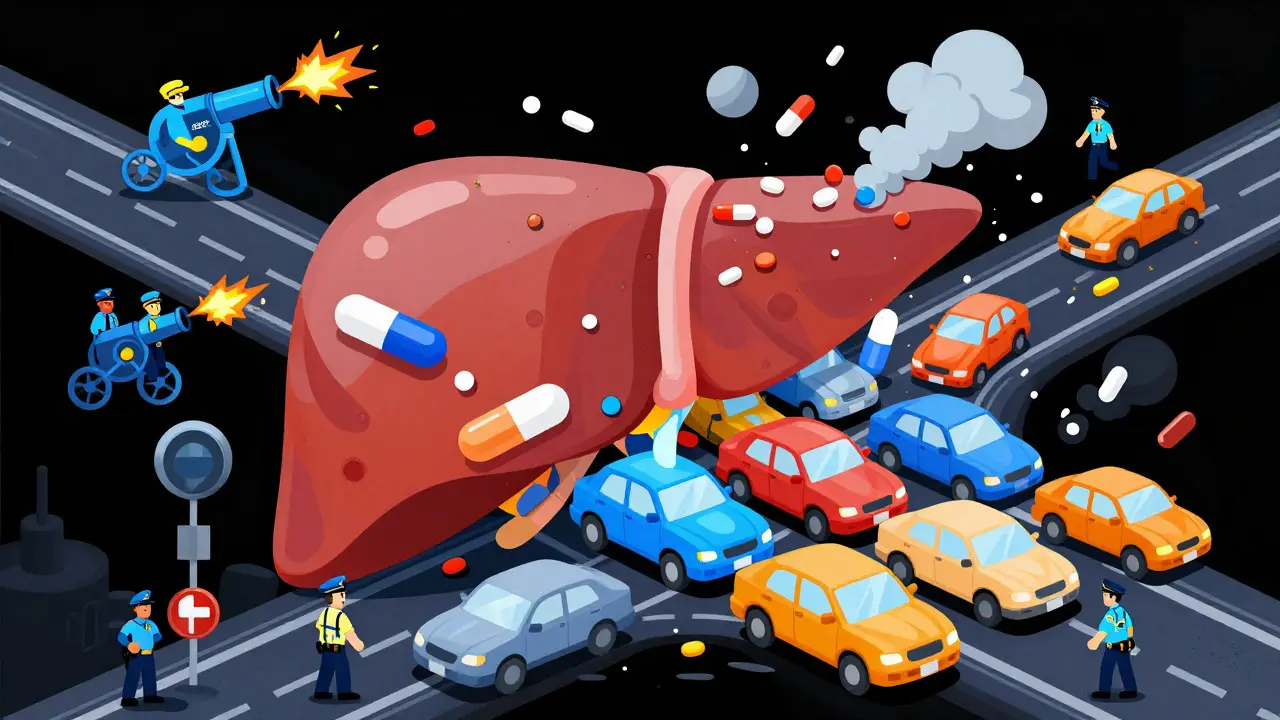
The core issue isn’t whether goldenseal works-it’s what it does to your body’s chemistry while it’s there. Your liver uses a group of proteins called Cytochrome P450 (CYP) enzymes are a family of liver enzymes responsible for metabolizing approximately 75% of all prescription medications. to break down medicines so they don’t build up to toxic levels. Think of these enzymes as traffic cops directing cars (medications) through an intersection. Goldenseal steps in and effectively fires those cops. Without them working properly, medications pile up in your system, leading to stronger effects than intended-and often, severe side effects.
How Goldenseal Blocks Liver Enzymes
To understand the danger, you have to look at the active ingredients inside the plant. Goldenseal contains alkaloids, primarily Berberine is an active alkaloid found in goldenseal that inhibits liver enzymes and gut transporters, altering drug absorption and metabolism. and hydrastine. Research published in the National Institutes of Health (NIH) database shows that these compounds are potent inhibitors. Specifically, goldenseal targets five major enzyme systems: CYP3A4, CYP2D6, CYP2C9, CYP1A2, and CYP2E1.
Why does this matter? Because CYP3A4 alone handles about half of all prescribed drugs. If you take a statin for cholesterol, a benzodiazepine for anxiety, or an immunosuppressant after a transplant, CYP3A4 is likely breaking it down. A study highlighted by Dr. Charles Lee, a clinical pharmacy specialist at Vanderbilt University Medical Center, noted that goldenseal can inhibit CYP3A4 activity by nearly 50%. That means your body clears the drug much slower than expected. In a rat model study, researchers saw even higher inhibition rates for other enzymes like CYP2E1 (down 78.4%). While human metabolism differs, the trend is clear: goldenseal slows down the cleanup crew in your liver.
| Enzyme System | Drugs Metabolized (%) | Common Drug Examples | Risk Level with Goldenseal |
|---|---|---|---|
| CYP3A4 | ~50% | Statins, Calcium channel blockers, Benzodiazepines | High |
| CYP2D6 | ~30% | Codeine, Fluoxetine, Metoprolol | High |
| CYP2C9 | ~15% | Warfarin, Phenytoin | Moderate-High |
| CYP1A2 | ~7% | Caffeine, Clozapine, Theophylline | Moderate |
| CYP2E1 | ~3% | Acetaminophen, Alcohol | Moderate |
Specific Medication Risks You Need to Know
Not all interactions are created equal, but the ones involving goldenseal tend to be significant. Let’s look at specific scenarios where this combination goes wrong.
Blood Thinners: If you take Warfarin is a common anticoagulant medication whose effectiveness is measured by INR levels and which is highly sensitive to liver enzyme interactions., you already know that small changes in diet or supplements can affect your clotting time. Goldenseal inhibits the enzymes that break down warfarin. According to the Merck Manual, adding goldenseal can increase your INR values by 1.5 to 2.0 points. That sounds small, but in terms of bleeding risk, it’s huge. You could go from being safely anticoagulated to having spontaneous bruising or internal bleeding without changing your pill count.
Diabetes Medications: This one is tricky because the interaction can work both ways, but usually toward instability. Some reports suggest goldenseal might lower blood sugar slightly on its own, but more concerning is how it affects drugs like metformin. A case report in *Pharmacy Times* described a diabetic patient whose metformin levels dropped significantly when combined with goldenseal, causing their HbA1c to jump from 6.8% to 8.2% in just four weeks. Why? Berberine in goldenseal also inhibits P-glycoprotein, a transporter in your gut that helps absorb certain drugs. If absorption drops, the drug doesn’t work. If metabolism drops (due to liver inhibition), the drug builds up. With variable supplement quality, you never know which effect will dominate.
Painkillers and Anxiety Meds: Many pain relievers, including codeine, rely on CYP2D6 to convert into their active form. Goldenseal blocks this enzyme. Paradoxically, this might make codeine less effective for some, but for other drugs processed by the same pathway, it causes accumulation. Similarly, benzodiazepines like midazolam are broken down by CYP3A4. Inhibit that enzyme, and you risk excessive sedation, dizziness, or even respiratory depression. One user on Reddit reported severe dizziness and near-fainting after combining goldenseal with lisinopril (a blood pressure med), requiring an ER visit for dangerously low blood pressure.
Goldenseal vs. Other Herbal Supplements
You might think, "Isn’t St. John’s Wort worse?" Or perhaps, "What about milk thistle?" Comparing goldenseal to other popular herbs helps put the risk in perspective.
St. John’s Wort is famous for causing interactions, but it does the opposite of goldenseal. It induces enzymes, meaning it makes your liver work faster, clearing drugs out of your system too quickly. This renders medications ineffective. Goldenseal inhibits enzymes, slowing things down and causing toxicity. Both are dangerous, but in different directions. A 2020 analysis in *Drug Metabolism Reviews* ranked goldenseal as having the third-highest risk for clinically significant interactions among 15 common herbs, right behind St. John’s Wort and grapefruit juice.
Milk thistle, often taken for liver health, primarily affects CYP2C9. It’s generally considered safer regarding broad-spectrum interactions. Goldenseal, however, hits multiple targets simultaneously. As Dr. Edzard Ernst, a professor emeritus of complementary medicine, noted, goldenseal’s multi-enzyme inhibition profile makes it uniquely hazardous compared to herbs that target only one or two pathways.
The Problem with Supplement Quality
If the pharmacology wasn’t scary enough, consider the product itself. The FDA regulates dietary supplements differently than drugs. There is no requirement for manufacturers to prove efficacy or consistent potency before selling goldenseal products.
A 2022 verification study by the United States Pharmacopeia (USP) found that only 38% of commercial goldenseal supplements contained berberine within 20% of what was listed on the label. Some had way more, some had way less. This variability is terrifying when dealing with narrow therapeutic index drugs like warfarin or cyclosporine. One batch might do nothing; the next might send you to the hospital. Dr. Richard Nahin from the National Center for Complementary and Integrative Health pointed out that this unpredictability makes dose-dependent interactions nearly impossible to manage clinically.
Safety Guidelines: What Should You Do?
So, does this mean you should throw away your goldenseal? Not necessarily, but you need to be strategic. Here is a practical approach to managing the risk.
- Apply the '5 CYP Rule': Before taking goldenseal, check if any of your current medications are metabolized by CYP3A4, CYP2D6, CYP2C9, CYP1A2, or CYP2E1. If yes, avoid goldenseal. Most pharmacies offer free interaction checks, or you can use online tools provided by organizations like the American Society of Health-System Pharmacists.
- Plan a Washout Period: If you must stop goldenseal to start a new critical medication, don’t just quit the day before. Goldenseal’s effects on liver enzymes can persist for 7 to 14 days after your last dose. Plan for a two-week gap to let your liver enzymes return to normal function.
- Monitor Closely: If your doctor approves short-term use (e.g., for a acute sinus infection), monitor for side effects aggressively. Watch for unusual bruising, extreme fatigue, dizziness, or changes in blood sugar levels. Keep a log of symptoms and share it with your healthcare provider.
- Choose Standardized Products: If you proceed, look for brands verified by third-party organizations like USP or NSF International. These labels indicate that the product actually contains what it claims, reducing the guesswork involved in dosing.
Remember, "natural" does not mean "harmless." Goldenseal is a potent biological agent that interferes with the fundamental machinery your body uses to process medicine. Treat it with the same respect you would give a prescription drug.
Can I take goldenseal with statins?
Generally, no. Statins like atorvastatin and simvastatin are heavily metabolized by the CYP3A4 enzyme. Since goldenseal inhibits CYP3A4, taking them together can lead to dangerously high levels of the statin in your blood, increasing the risk of muscle damage (rhabdomyolysis) and liver toxicity. Consult your doctor before combining them.
How long does goldenseal stay in your system?
While the herb itself may leave your body relatively quickly, its effects on liver enzymes can last longer. Research suggests that the inhibition of cytochrome P450 enzymes can persist for 7 to 14 days after you stop taking goldenseal. This is why a two-week washout period is recommended before starting sensitive medications.
Is goldenseal safe for pregnant women?
Most experts advise against using goldenseal during pregnancy. It contains tannic acid, which has been linked to kernicterus, a type of brain damage in newborns. Additionally, its impact on liver enzymes could alter the metabolism of prenatal vitamins or other necessary medications. Always consult an obstetrician before use.
Does goldenseal interact with birth control pills?
Yes, potentially. Many hormonal contraceptives are metabolized by CYP3A4. By inhibiting this enzyme, goldenseal could theoretically increase hormone levels, leading to side effects like nausea or breast tenderness. However, unlike St. John's Wort which reduces effectiveness, goldenseal increases concentration. Still, the unpredictability makes it risky for maintaining consistent contraceptive protection.
What are the signs of a goldenseal drug interaction?
Signs vary based on the medication involved but often include intensified side effects of the drug. Common warning signs include excessive drowsiness, dizziness, irregular heartbeat, unusual bleeding or bruising, severe headache, or sudden changes in blood sugar levels. If you experience these after starting goldenseal, seek medical attention immediately.
