 Jul, 22 2026
Ever wonder why your hospital doctor prescribes one specific brand of a generic antibiotic while another pharmacy down the street stocks three different versions? It’s not random. Behind every prescription pad lies a massive, carefully curated list called a hospital formulary. This is the master key to what medications are available, approved, and reimbursed within a healthcare system. For providers, understanding how these systems choose generic drugs isn't just academic-it directly impacts patient care, workflow efficiency, and the bottom line.
The Gatekeepers: Pharmacy and Therapeutics Committees
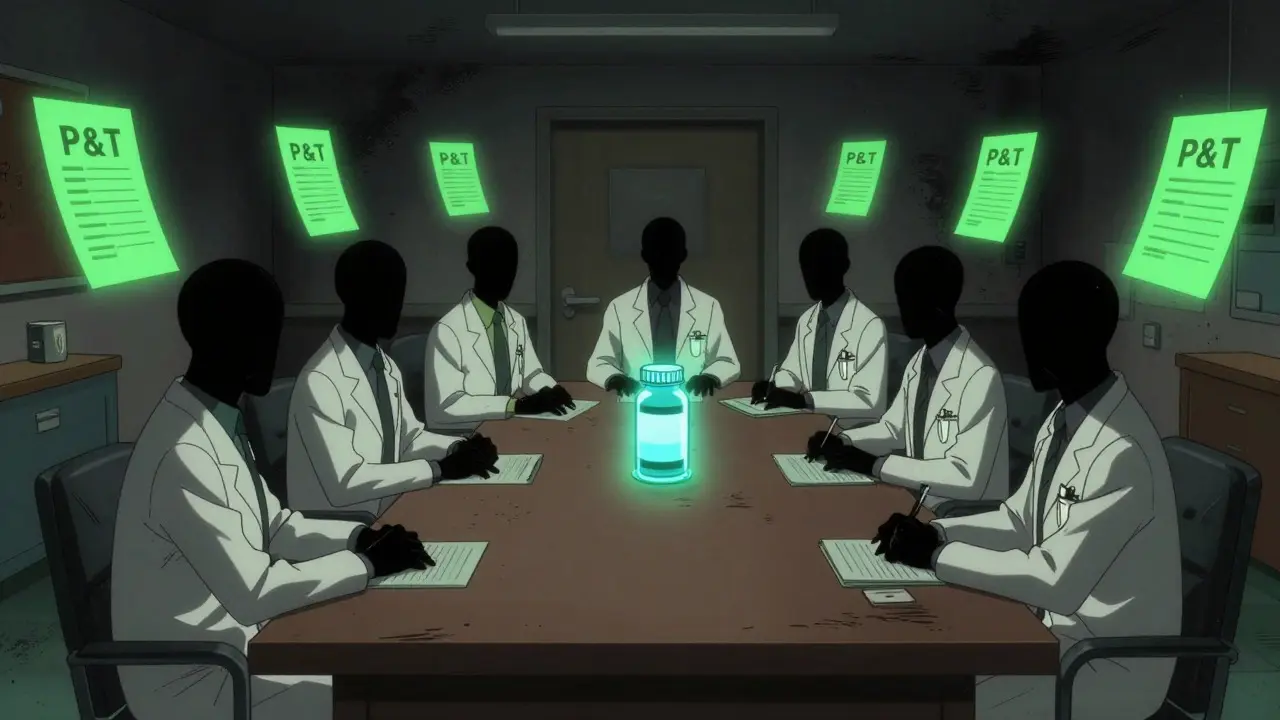
The heart of any formulary decision rests with the Pharmacy and Therapeutics (P&T) committee. Think of them as the guardians of clinical quality and fiscal responsibility. In most U.S. hospitals, this group consists of 12 to 15 members, including board-certified pharmacists, physicians from various specialties, and often healthcare economists. They don’t meet casually; their reviews follow strict protocols, typically taking 45 to 60 days for standard requests, though urgent cases can be fast-tracked in under three weeks.
These committees operate on a simple but powerful mandate: ensure patients receive the safest, most effective medications at the most reasonable cost. According to guidelines from the American Society of Health-System Pharmacists (ASHP), safety and efficacy always come first. Cost is secondary-but it is essential. Dr. Lucinda L. Maine, CEO of the American Association of Colleges of Pharmacy, emphasizes that formulary decisions must be grounded in robust clinical evidence before economic factors even enter the room. This hierarchy prevents cheap options from overshadowing better outcomes, ensuring that generic substitution never compromises therapeutic goals.
Beyond Price Tag: The Criteria for Generic Selection
When a new generic drug enters the market, or when an existing one needs re-evaluation, the P&T committee doesn't just look at the price per pill. They dive deep into several critical attributes:
- Therapeutic Equivalence: Does the generic match the reference listed drug? The FDA’s Orange Book designation is the baseline, requiring bioequivalence within 80-125% of the original drug's pharmacokinetic parameters. If it doesn't hit this mark, it doesn't make the cut.
- Clinical Evidence: Committees review systematic literature reviews, often analyzing 15 to 20 clinical studies per drug class. They want proof that the generic performs reliably across diverse patient populations.
- Safety Profiles: Data from the FDA Adverse Event Reporting System is scrutinized. Are there unusual side effects linked to a specific manufacturer's formulation?
- Total Cost of Care: This is where modern formulary management shines. As noted by pharmaceutical policy expert Dr. Steven J. Simoens, sophisticated systems evaluate generics based on their impact on hospital length of stay and readmission rates, not just acquisition costs.
For example, a slightly more expensive generic might be preferred if its extended-release formulation improves patient compliance, reducing missed doses and subsequent emergency visits. This holistic view transforms the formulary from a shopping list into a strategic tool for health optimization.
Tiers and Access: Navigating the Formulary Structure
Hospital formularies are rarely flat lists. They are organized into tiers, usually three to five levels, which dictate patient cost-sharing and provider authorization requirements. Generic drugs almost always occupy the lowest tier-Tier 1-meaning they require minimal out-of-pocket expenses for patients. This structure encourages the use of cost-effective alternatives without penalizing those who need them.
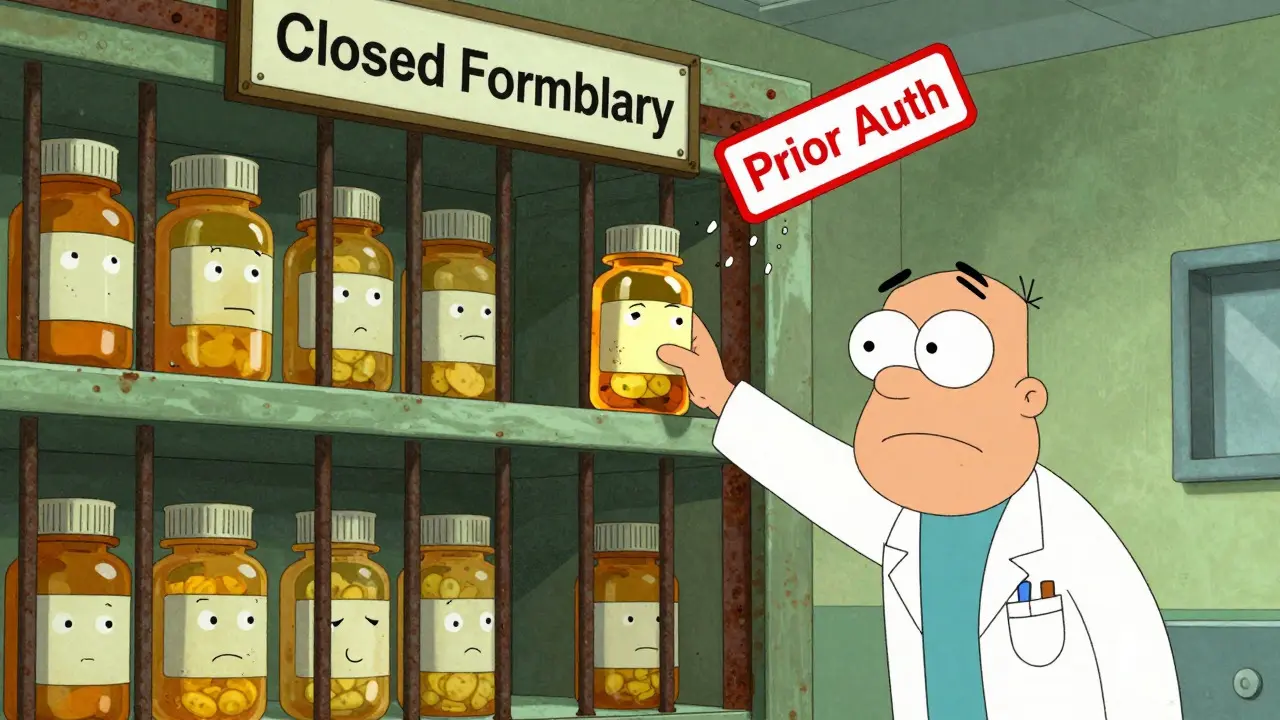
However, access isn't guaranteed for every generic. Most hospitals employ "closed formularies," meaning only approved medications are routinely available. A 2022 study found that 87% of U.S. hospitals use this model. While this ensures consistency, it can create friction. Physicians sometimes face hurdles when they prefer a non-formulary generic due to past experience with a specific manufacturer. This leads to prior authorization processes, which 41% of surveyed physicians have expressed frustration with, citing delays in specialty care.
| Feature | Hospital Closed Formulary | Open / Community Pharmacy Model |
|---|---|---|
| Drug Availability | Limited to approved list | Broad, multiple brands available |
| Decision Maker | P&T Committee | Individual Pharmacist/Patient |
| Cost Control | High (bulk purchasing, negotiation) | Low (market-driven prices) |
| Standardization | High (reduces errors) | Low (varies by location) |
The Provider’s Perspective: Challenges and Realities
For doctors and nurses, the formulary is both a shield and a hurdle. On one hand, it simplifies prescribing. Knowing exactly which generics are approved reduces cognitive load and minimizes medication errors. Nursing staff report that standardized forms allow for faster training and fewer mistakes during shifts. On the other hand, supply chain disruptions can turn a well-oiled machine into a chaotic scramble.
In 2022, shortages affected 268 generic medications nationwide. When a preferred generic disappears, hospitals must temporarily suspend its formulary status and switch to alternatives. Sarah Chen, a pharmacist at Massachusetts General Hospital, shared that her team had to suspend formulary status for certain generics seven times in a single year due to manufacturing issues. These sudden changes require rapid re-education for staff and can lead to temporary confusion, with 73% of nursing staff reporting minor medication errors during transitions.
Another point of tension is therapeutic interchange. Pharmacists often have the authority to substitute therapeutically equivalent agents at the point of dispensing. While this saves money and ensures availability, 57% of pharmacists report conflicts with physicians over these substitutions. Doctors may feel their clinical judgment is being overridden, especially in complex cases where subtle differences in excipients or release mechanisms matter.
Future Trends: Personalization and Value-Based Care
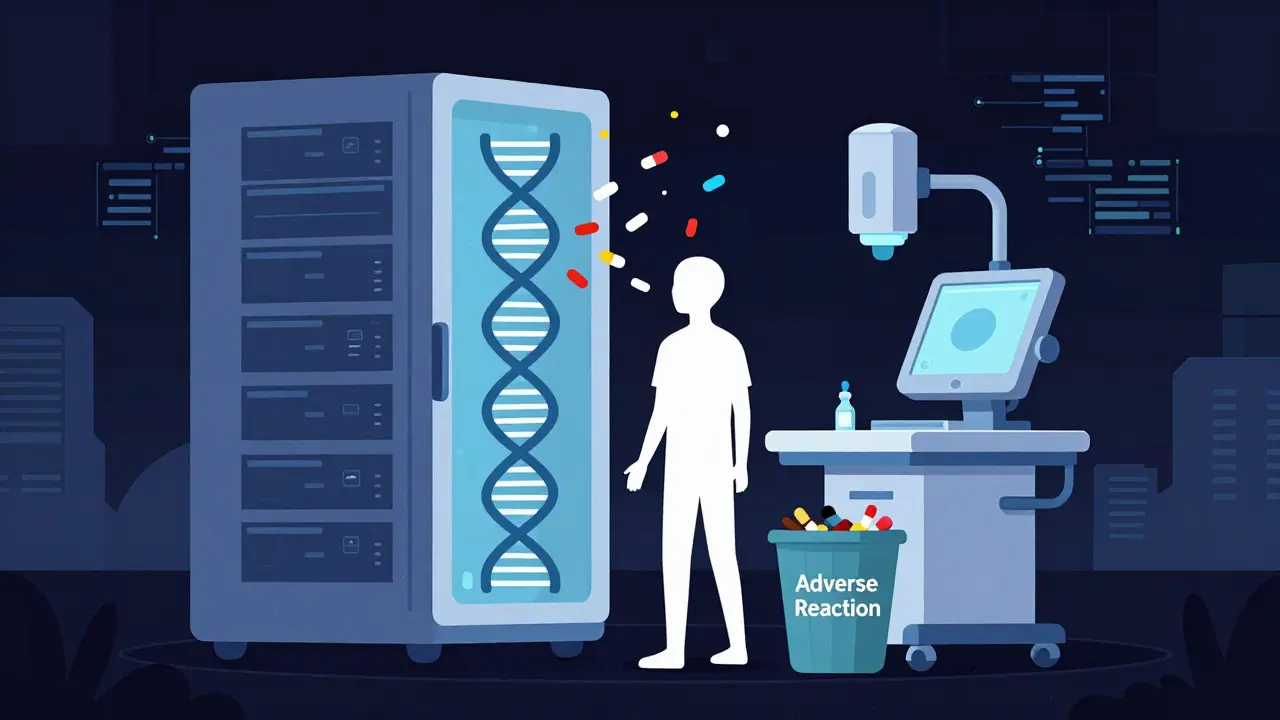
The landscape of hospital formularies is evolving rapidly. One significant shift is the integration of pharmacogenomic data. By 2023, 18% of academic medical centers were piloting genotype-guided formulary restrictions. This means a generic drug might be excluded for a specific patient subgroup based on their genetic likelihood of adverse reactions, moving beyond one-size-fits-all generic selection.
Additionally, the focus is shifting from acquisition cost to total value. With 61% of hospitals now using predictive analytics, they model how generic drug choices affect downstream costs like readmissions and complications. The Inflation Reduction Act of 2022 further accelerates this trend, mandating Medicare Part D redesigns that align hospital formularies with broader value-based care initiatives. By 2028, formulary systems may become mandatory for all Medicare-certified facilities, cementing their role as central pillars of modern healthcare delivery.
What is a hospital formulary?
A hospital formulary is a continuously updated, approved list of medications that can be prescribed and dispensed within a specific healthcare institution. It is developed by a Pharmacy and Therapeutics (P&T) committee to balance clinical efficacy, safety, and cost-effectiveness.
How do P&T committees decide which generic drugs to include?
P&T committees evaluate generic drugs based on FDA therapeutic equivalence, clinical evidence from multiple studies, safety profiles from adverse event reports, and total cost of care analysis. They prioritize safety and efficacy first, then consider economic impact.
Why do hospitals use closed formularies?
Closed formularies limit medication options to a pre-approved list to ensure standardization, reduce medication errors, streamline staff training, and leverage bulk purchasing power for better pricing. Approximately 87% of U.S. hospitals use this model.
What challenges do providers face with formularies?
Providers often struggle with drug shortages requiring sudden switches, prior authorization delays for non-formulary generics, and conflicts over therapeutic interchange policies where pharmacists substitute drugs against physician preference.
How does the FDA Orange Book influence formulary decisions?
The FDA Orange Book provides therapeutic equivalence ratings for generic drugs. Hospitals use these ratings as a baseline to verify that a generic is bioequivalent to the reference listed drug, typically requiring performance within 80-125% of the original drug's parameters.
