 May, 31 2026
Imagine sitting in a doctor’s office, trying to remember every vitamin, prescription, and herbal supplement you take. You list them off from memory, but later find out your doctor prescribed something that dangerously interacts with a pill you forgot to mention. This isn’t just an awkward oversight; it’s a medical risk. In fact, medication reconciliation-the process of matching what you actually take against what’s in your medical record-is one of the most critical safety steps in healthcare, yet it fails frequently when patients rely solely on their memories.
The solution is surprisingly simple but often overlooked: bring your actual pill bottles. It sounds tedious, but research shows that bringing physical containers reduces medication discrepancies by 67% compared to self-reported lists. For many of us, especially as we age or manage multiple conditions, this "brown bag" method is the difference between safe care and preventable hospital visits.
Why Your Memory Isn't Enough
We like to think we know our bodies and our routines. But when it comes to medications, human memory is notoriously unreliable. The American Hospital Association reports that 80% of medication errors happen during transitions in care-like moving from a specialist back to a primary care doctor. At these moments, accurate information is everything.
Consider the statistics: studies published in PMC (2023) show that 60-70% of care transitions involve medication discrepancies. Why? Because patients unintentionally omit up to 45% of their medications when asked to list them verbally. We forget the occasional painkiller, the daily multivitamin, or that new cream prescribed last month. Even worse, we might say we’re taking a drug regularly when we’ve actually skipped doses or stopped entirely because of side effects.
This gap between perception and reality is dangerous. Adverse drug events account for 5% of all hospital admissions and 18% of primary care visits. By relying on verbal lists alone, providers are flying blind. Physical verification closes this loop.
The "Brown Bag" Method Explained
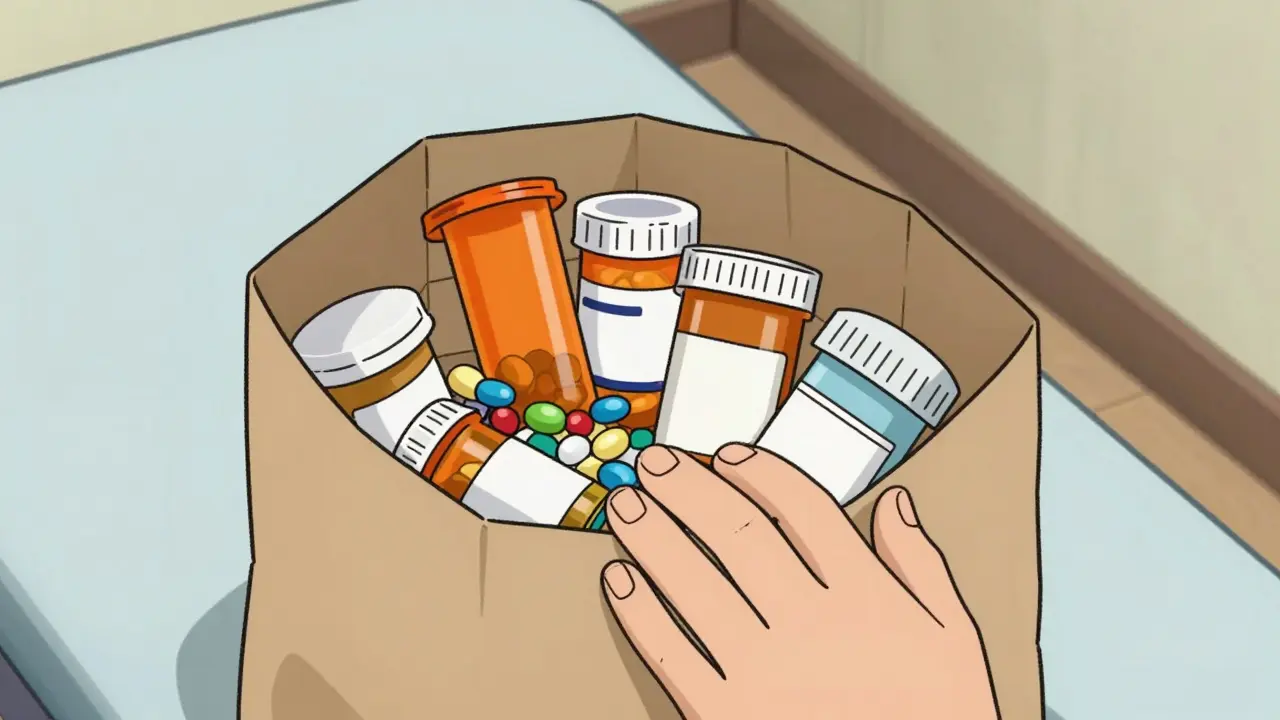
The term "brown bag review" comes from the simple act of putting all your medications into a single bag before heading to your appointment. It’s not about judging how full or empty those bags are; it’s about creating a complete visual inventory for your healthcare team.
Here is exactly what needs to go in that bag:
- All prescription medications: Keep them in their original pharmacy containers with labels intact. Do not transfer pills to generic organizers unless you also bring the original bottles.
- Over-the-counter drugs: Ibuprofen, antacids, allergy meds, and sleep aids count as medications.
- Vitamins and supplements: Fish oil, magnesium, herbal teas with active ingredients, and protein powders can interact with prescriptions.
- Topical treatments: Creams, ointments, eye drops, and inhalers.
- Discontinued or expired meds: If you have old bottles at home, bring them too. They tell your doctor what you *were* taking, which helps explain past health issues or lingering side effects.
A 2024 publication by the American Academy of Family Physicians (AAFP) highlights that this comprehensive approach significantly decreases adverse drug events. The goal is transparency, not perfection.
Handling Pill Organizers and Loose Pills
If you use a weekly pill organizer, you are not exempt from bringing bottles. In fact, organizers create unique challenges. A 2023 study found that 38% of patients consolidate medications into single containers, making it impossible for doctors to see dosage strengths or brand names without the original packaging.
Here is how to handle different storage methods:
| Storage Type | Action Required | Why It Matters |
|---|---|---|
| Original Pharmacy Bottles | Bring all current bottles. | Labels show exact dose, frequency, and prescriber. |
| Weekly/Monthly Organizers | Bring the organizer AND the original bottles for each slot. | Organizers hide strength and name; originals provide context. |
| Loose Pills/Unlabeled Bags | Take clear photos of labels before disposal. Bring photos + loose pills. | Identification is impossible without labels; photos serve as backup. |
| Smart Pill Dispensers | Bring the device and export digital logs if possible. | Digital logs show adherence patterns, not just contents. |
Dr. Jennifer L. Ridpath, PharmD from Kaiser Permanente, warns that relying solely on patient-provided bottles can miss medications patients have stopped taking but still have in their homes. Conversely, she notes that bringing only what you currently take misses the history of what you’ve abandoned. The best practice is to bring everything, then discuss what you actually use.
Preparation Tips for a Smooth Appointment
Gathering medications doesn’t need to be a last-minute scramble. The American Association of Homecare and Family Nurses (AAHFN) recommends spending 15-20 minutes gathering supplies 24 hours before your visit. For complex regimens, allow 30-45 minutes.
- Do a sweep of your home: Check medicine cabinets, kitchen drawers, nightstands, and even cars or purses. We often stash spare doses in unexpected places.
- Include "as needed" meds: Don’t skip the ibuprofen you only take once a year. Thirty percent of adverse events involve PRN (as needed) medications omitted from self-reports.
- Take photos of discarded labels: If you threw away an empty bottle last week, check your phone gallery. Many pharmacists recommend snapping a picture of the label before tossing the container. This serves as a digital backup.
- Use apps for digital sync: Apps like Medisafe can generate digital lists synced with pharmacy records, offering a hybrid approach that complements physical bottles.
One common frustration reported by patients is feeling overwhelmed by the volume of bottles. A Reddit user noted, "My mother brings 15+ pill bottles to each appointment, overwhelming the clinic staff." To mitigate this, organize your bag logically: group by time of day (morning, evening) or by condition (heart, diabetes). This helps your provider navigate the list faster.
What Happens During the Review?
When you arrive, don’t just hand over the bag and wait. Engage in the process. The Agency for Healthcare Research and Quality (AHRQ) found that combining physical verification with pharmacy fill histories reduces discrepancies by 89%. Here is how to maximize that interaction:
- Be honest about non-adherence: If you haven’t taken a med in months, say so. Shame is a barrier-28% of non-adherent patients feel ashamed-but honesty prevents dangerous interactions.
- Ask about duplicates: Sometimes different doctors prescribe similar drugs under different brand names. The physical review catches these overlaps.
- Clarify "PRN" usage: Explain how often you actually use your "as needed" medications. Taking a blood pressure med daily instead of occasionally changes the clinical picture entirely.
- Discuss supplements openly: Herbal remedies like St. John’s Wort or Garlic extract can interfere with blood thinners and other critical drugs.
Dr. Robert L. Phillips, CEO of the American Board of Family Medicine, states that practices implementing physical review protocols see 32% fewer adverse drug events. This is because the provider sees the reality of your regimen, not just the intent.
Digital Tools vs. Physical Bottles
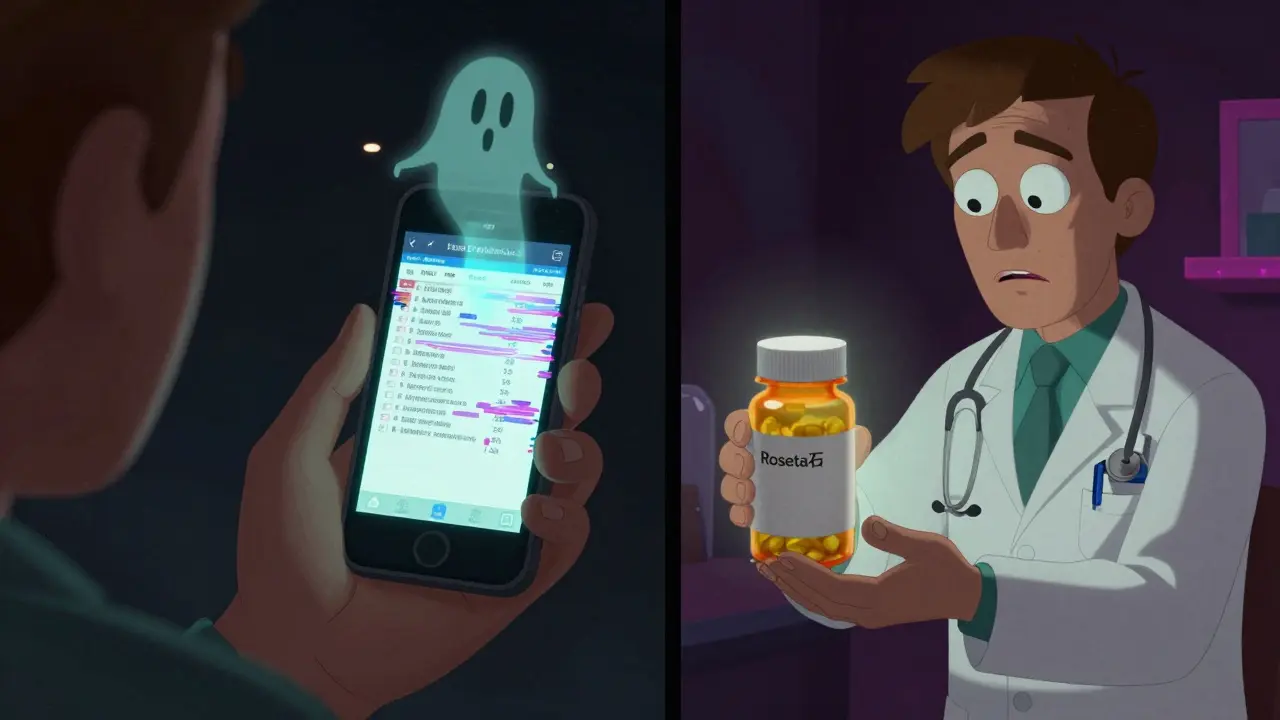
Technology is advancing rapidly. AI-assisted pill identification tools, like WebMD’s Pill Identifier, are used in 31% of virtual visits. Smart pill bottles with digital tracking are gaining traction among Medicare beneficiaries. However, digital methods have limits.
Virtual alternatives using smartphone cameras to show pills during telehealth visits miss 22% of discrepancies that in-person verification catches. Why? Because screens can’t show expiration dates clearly, they can’t reveal hidden compartments in organizers, and they can’t detect unused medications sitting in the background of your home. Dr. Michael A. Steinman, co-author of the Beers Criteria, calls the physical bottle the "Rosetta Stone of medication reconciliation" because nothing else provides the complete picture of what’s actually in the patient's home.
For now, the gold standard remains the physical container. Digital tools are excellent supplements, but they are not replacements for the tangible evidence of your medication habits.
Special Considerations for Older Adults
Polypharmacy-the use of multiple medications-is common in older adults. Forty-seven percent of people aged 65 and over take five or more medications. The American Geriatrics Society’s 2023 Beers Criteria update emphasizes that 56% of potentially inappropriate medications in older adults are discovered only through physical bottle verification.
If you are caring for an elderly parent or relative, help them prepare the brown bag. Ensure labels are large enough to read. If they use a weekly case, match each compartment to its original bottle beforehand. This proactive step can prevent falls, confusion, and severe interactions.
Should I bring empty pill bottles to my appointment?
Yes. Empty bottles indicate medications you have finished or discontinued. This helps your doctor understand your treatment history and identify any gaps in care or reasons why you may have stopped taking a specific drug.
What if I use a pill organizer and lost the original bottles?
If you lost the original bottles, try to find digital records from your pharmacy app or insurance portal. Take clear photos of the pills themselves and bring them. However, always request new prescriptions with proper labeling to ensure future accuracy.
Do vitamins and herbal supplements need to be included?
Absolutely. Vitamins, minerals, and herbal supplements can interact with prescription medications. For example, Vitamin K can interfere with blood thinners. Including them ensures a complete medication profile.
How long does the brown bag review take during an appointment?
It typically adds 5-10 minutes to your visit. While it seems like extra time, it prevents longer delays caused by correcting errors later. Many clinics now schedule dedicated time for this reconciliation step.
Is it okay to throw away old medication bottles immediately?
It is better to keep them until after your next appointment or take a photo of the label first. Discarding them prematurely removes valuable data about your past medication history, which can be crucial for diagnosing ongoing issues.
