 Aug, 2 2026
Supplement Interaction Risk Checker
Select a supplement and a medication below to check for known interaction patterns described in clinical databases like NatMed and DrugBank.
Interaction Analysis
Mechanism of Action
Recommended Action:
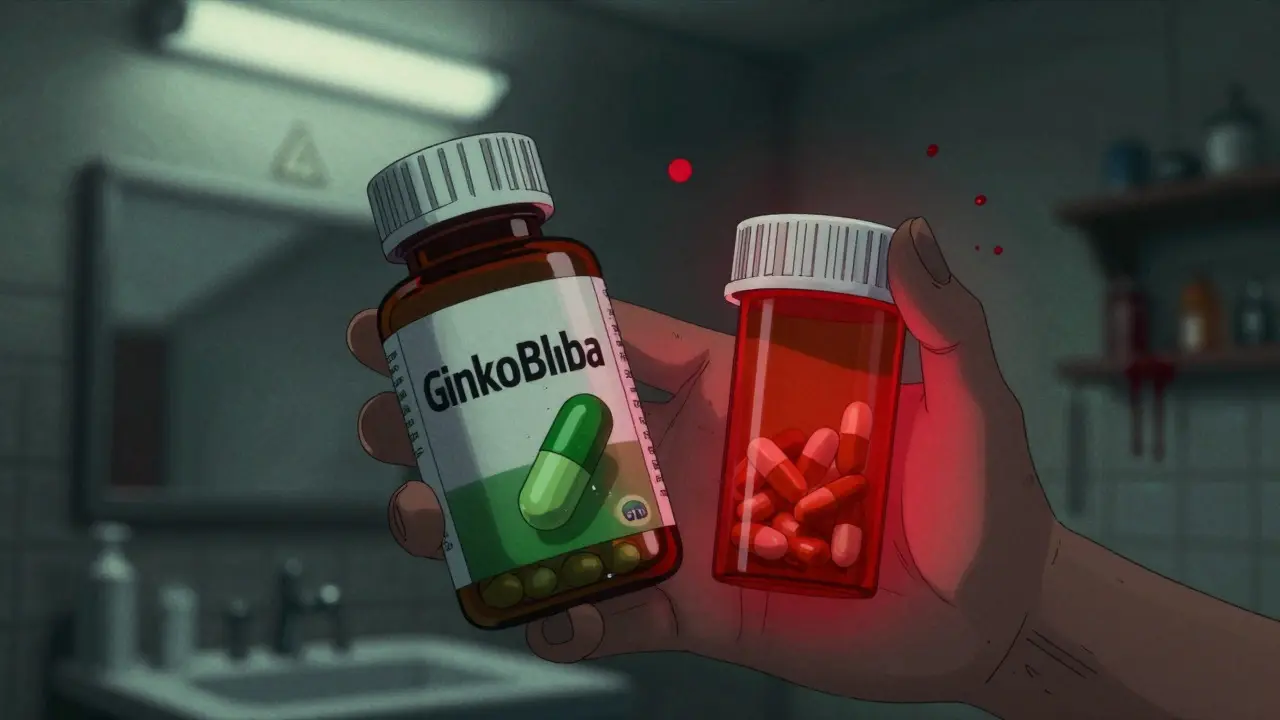
Imagine this: you’re taking a blood thinner prescribed by your doctor. You also take Ginkgo Biloba because it’s "natural" and good for memory. You assume they won’t clash. But they do. The combination increases bleeding risk significantly. This isn't just a hypothetical scenario; it happens thousands of times in emergency rooms every year.
We often treat dietary supplements as harmless vitamins or herbal teas. In reality, they are bioactive compounds that can alter how your body processes prescription medications. With over half of US adults using supplements alongside prescriptions, the risk of adverse reactions is higher than ever. Checking these interactions isn't optional if you want to stay safe-it's essential.
This guide walks you through exactly how to use professional-grade drug interaction databases to check your regimen. We’ll break down which tools work best, how to interpret the results, and why relying on general knowledge isn't enough.
Why General Knowledge Fails with Supplements
You might think checking a label is enough. It rarely is. The problem starts with disclosure. Studies show that patients only tell their doctors about supplement use 37% of the time. Why? People forget, or they don’t think it matters. Then there’s the issue of product quality. An FDA analysis found that 68% of supplement products contain unlisted ingredients or differ from what the label claims.
When you mix inaccurate information with complex biology, things go wrong. Approximately 1.3 million emergency department visits in the US are linked to adverse drug events. Of those, an estimated 23,000 involve supplement-drug interactions. These aren't minor side effects; they can be life-threatening. For example, St. John’s Wort induces liver enzymes that speed up the metabolism of many drugs, rendering them ineffective. Conversely, Grapefruit juice inhibits those same enzymes, causing drug levels to spike to toxic ranges.
To navigate this safely, you need more than a web search. You need structured data that maps specific ingredients to pharmacokinetic mechanisms. That’s where specialized databases come in.
The Top Tools for Checking Interactions
Not all databases are created equal. Some focus heavily on pharmaceuticals and treat supplements as an afterthought. Others specialize in natural products. Here is how the major players stack up based on current data (as of 2024-2026).
| Database Name | Best For | Supplement Coverage | Key Feature |
|---|---|---|---|
| NatMed (Natural Medicines) | Clinical Precision | 1,900+ supplements, 51,000+ product formulations | Maps commercial brands to active ingredients; 94.3% reliability rating |
| DrugBank | Broad Drug Context | 14,300+ nutrient-drug pairs | Excellent for understanding molecular targets; less detail on brand names |
| FDB MedKnowledge | Hospital Integration | 2,400+ supplements | Integrated into hospital EHR systems; 4-tier severity classification |
| PHYDGI | Herbal Specifics | Focuses on herbal entities | Quantified interaction strength metrics (0-10 scale) |
NatMed currently leads the pack for supplement-specific queries. Its ability to map 98.7% of commercial products to their individual ingredients means you can check a specific brand, not just a generic herb. DrugBank is powerful for researchers who need to understand the chemical structure of interactions, but it lacks the granular product-level detail needed for patient care. FDB is the standard in hospitals because it plugs directly into electronic health records, but its supplement library is smaller than NatMed’s.
Step-by-Step: How to Run an Interaction Check
Using these tools effectively requires a systematic approach. You can’t just type "Vitamin C" and stop. Follow these steps to ensure accuracy.
- Gather Complete Information: Collect every bottle, capsule, and tea box. Look at the "Supplement Facts" panel. Note the exact dosage and frequency. If possible, scan the barcode if the database supports it. Remember, proprietary blends hide individual ingredient amounts, so look for third-party testing seals like USP or NSF to verify content.
- Identify Active Ingredients: Don’t just search the brand name. Search the active compound. For example, instead of searching for a specific ginseng brand, search for "Panax ginseng." This ensures you catch interactions even if the brand changes suppliers.
- Enter Prescription Medications: Input all current prescriptions, including over-the-counter pain relievers and sleep aids. Include dosages. Timing matters too-taking two interacting substances hours apart might mitigate some risks, though not all.
- Run the Query: Use a tool like NatMed or DrugBank. Enter the supplement and the drug. Review the output carefully.
- Interpret Severity Levels: Most databases use a tiered system:
- Contraindicated: Avoid combining entirely. High risk of serious harm.
- Major: Significant interaction. Requires close monitoring or dosage adjustment.
- Moderate: Possible interaction. Monitor for symptoms.
- Minor: Unlikely to cause issues in most people.
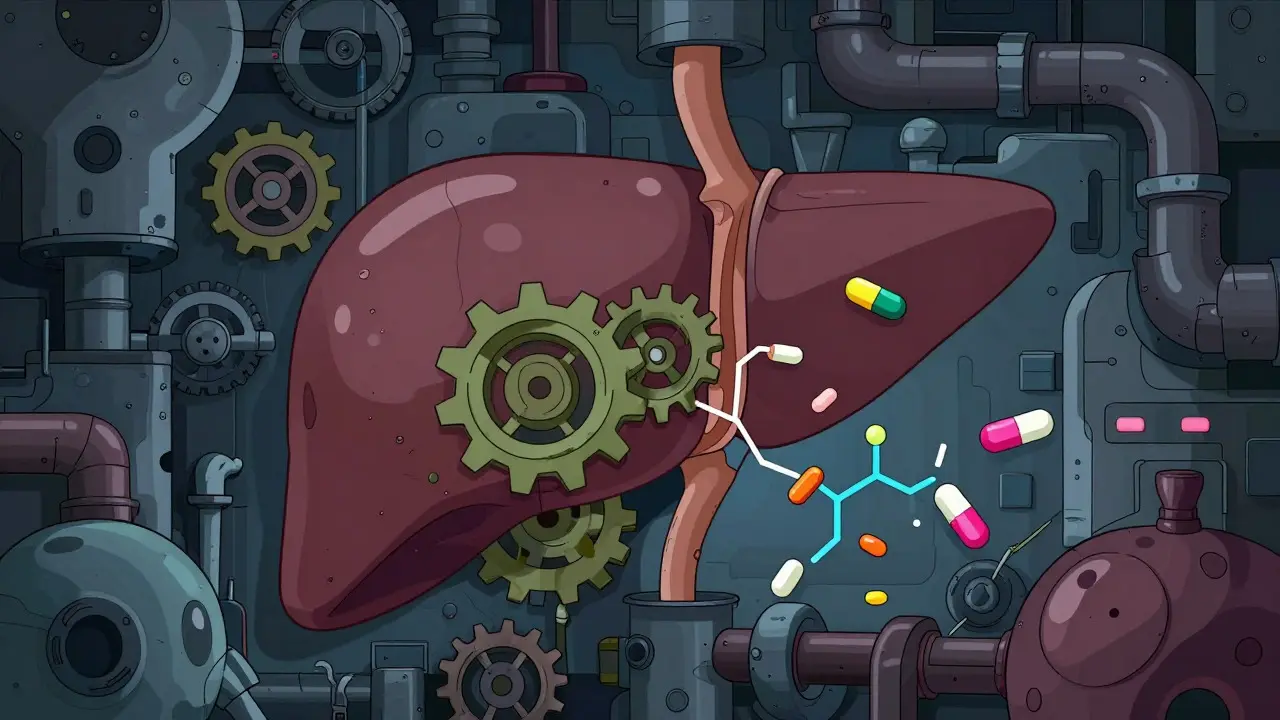
- Read the Mechanism: This is crucial. Does the supplement inhibit a CYP450 enzyme? Does it affect kidney filtration? Understanding *why* they interact helps you decide if the risk is manageable. For instance, if a supplement inhibits an enzyme that clears a blood thinner, the drug level rises. Knowing this, you might monitor INR levels more frequently rather than stopping the supplement outright.
Understanding Pharmacokinetics vs. Pharmacodynamics
When you read the results, you’ll see terms like "pharmacokinetic" and "pharmacodynamic." These sound technical, but they describe two different ways things go wrong.
Pharmacokinetic interactions involve what the body does to the drug. Think ADME: Absorption, Distribution, Metabolism, Excretion. Most significant supplement-drug interactions fall here. For example, calcium supplements can bind to thyroid medication in the stomach, preventing absorption. The drug never enters the bloodstream. On the other hand, St. John’s Wort speeds up liver metabolism, breaking down drugs faster than intended.
Pharmacodynamic interactions involve what the drug does to the body. This happens when two substances have similar or opposing effects. Taking a sedative herbal supplement like Valerian root alongside a prescription benzodiazepine amplifies drowsiness. Both target the nervous system’s calming pathways. Similarly, taking garlic supplements with blood thinners adds to the anticoagulant effect, increasing bleeding risk.
Distinguishing between these helps you manage the risk. Pharmacokinetic issues might be solved by spacing out doses (e.g., taking thyroid meds 4 hours before calcium). Pharmacodynamic issues often require choosing one agent over the other or adjusting the dose of the prescription.
Common Pitfalls to Avoid
Even with the best tools, mistakes happen. Here are the most common errors users make.
- Ignoring Brand Variability: Two bottles of "Turmeric" can have vastly different curcumin concentrations. Always check the standardized extract amount listed on the label.
- Overlooking OTC Drugs: Aspirin, ibuprofen, and antacids are drugs. They interact with supplements just like prescriptions do. Don’t leave them out of your check.
- Trusting Outdated Data: New supplements emerge constantly. CBD, for example, has seen a surge in use, yet only 37% of CBD-related drug interactions were documented in commercial databases as of mid-2024. If you’re using newer compounds, cross-reference multiple sources.
- Assuming "Natural" Means Safe: Arsenic is natural. So is poison ivy. Plants contain potent chemicals. Just because something grows in the ground doesn’t mean it plays nice with synthetic molecules.
Who Should Check Regularly?
If you fall into any of these categories, routine checking is non-negotiable:
- Elderly Patients: Adults aged 57-85 are the highest risk group, with 49% using both prescriptions and supplements simultaneously. Age-related changes in liver and kidney function amplify interaction risks.
- Those on Narrow Therapeutic Index Drugs: Medications like warfarin, lithium, digoxin, and certain anti-seizure drugs have a tiny window between effective and toxic doses. Small changes caused by supplements can push you out of that window.
- Cancer Patients: Chemotherapy agents are potent. Interactions can reduce efficacy or increase toxicity. The Oncology Nursing Society specifically recommends using high-reliability tools like NatMed for this population.
- Pregnant or Breastfeeding Individuals: Safety data for supplements during pregnancy is often scarce. Interactions can affect fetal development or pass into breast milk.
Future Trends and Better Safety
The landscape is improving. In 2024, NatMed released an AI-powered update that uses natural language processing to recognize supplement names better, reducing missed interactions by 37%. The FDA is piloting blockchain technology to verify supplement contents, which could solve the "unlisted ingredient" problem. Meanwhile, Epic EHR integrations allow hospitals to flag interactions automatically when a doctor prescribes a new drug.
For now, the responsibility largely falls on you. By taking five minutes to run a check before starting a new supplement, you protect yourself from preventable harm. It’s a small step that makes a massive difference in long-term health outcomes.
Is it safe to take supplements with prescription medications?
It depends on the specific combination. Many supplements are safe, but others can dangerously alter how drugs work. Always check for interactions using a reliable database before combining them. Never assume "natural" products are risk-free.
Which database is best for checking supplement interactions?
NatMed (Natural Medicines) is widely considered the gold standard for supplement-drug interactions due to its high reliability (94.3%) and detailed mapping of commercial products to active ingredients. DrugBank is excellent for deep chemical insights but less user-friendly for brand-specific checks.
Do I need to check over-the-counter drugs against supplements?
Yes. Over-the-counter medications like aspirin, ibuprofen, and antacids are chemically active and can interact with supplements. For example, NSAIDs combined with fish oil or vitamin E can increase bleeding risk.
What does a "Major" interaction mean?
A "Major" interaction indicates a significant risk that may require clinical intervention. This could mean adjusting the dosage of your medication, switching to a different drug, or closely monitoring for side effects. It does not always mean you must stop the supplement, but you should consult your healthcare provider.
How often should I re-check my interactions?
You should re-check whenever you start a new medication, change a dosage, or begin a new supplement. Additionally, annual reviews are recommended, especially if you are elderly or have chronic conditions, as your body’s ability to process drugs changes over time.
