 May, 20 2026
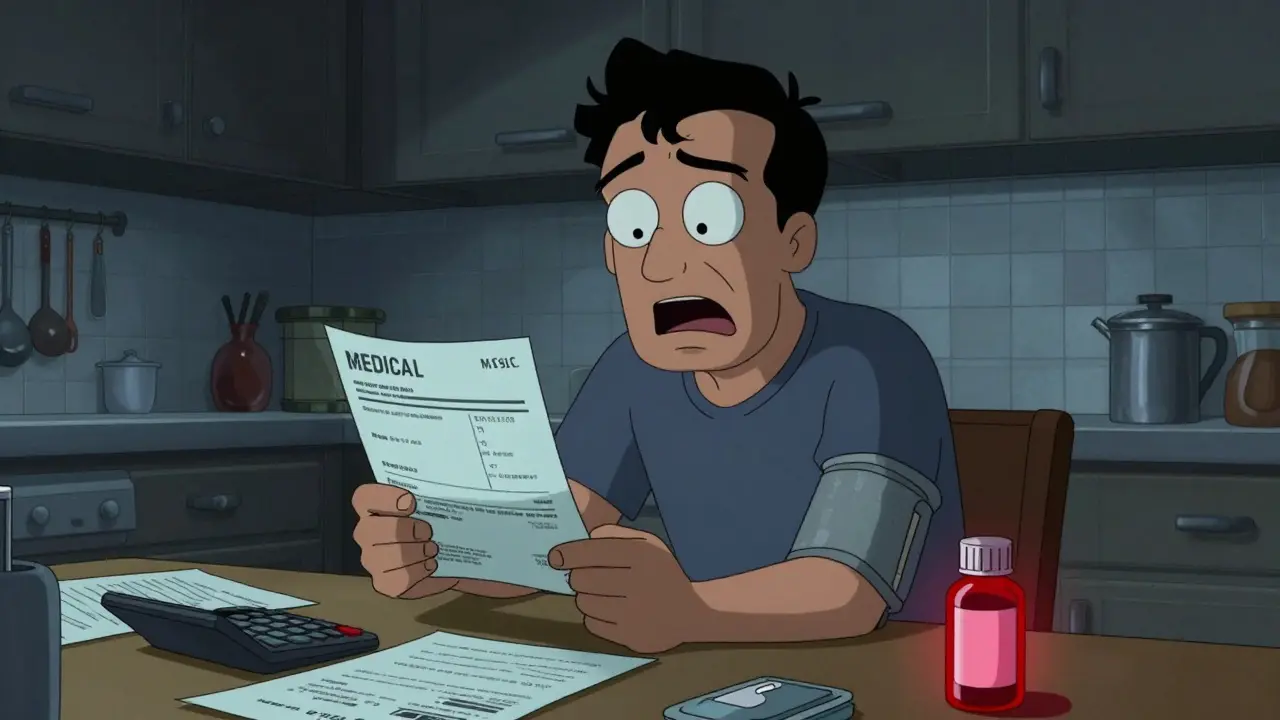
Imagine opening your monthly bill in January and realizing your regular blood pressure medication now costs three times what it did last year. You didn’t change doctors. You didn’t change pharmacies. The plan you picked months ago simply moved your drug to a higher price tier. This happens to thousands of beneficiaries every year because they skip one critical step: reviewing their coverage during the Annual Open Enrollment Period (AEP).
If you rely on daily medications, this isn't just administrative busywork. It is the single most important financial decision you will make regarding your health care for the upcoming year. With millions of people relying on Medicare, the stakes are high. Getting it right can save you hundreds or even thousands of dollars. Getting it wrong can leave you scrambling when your next refill comes due.
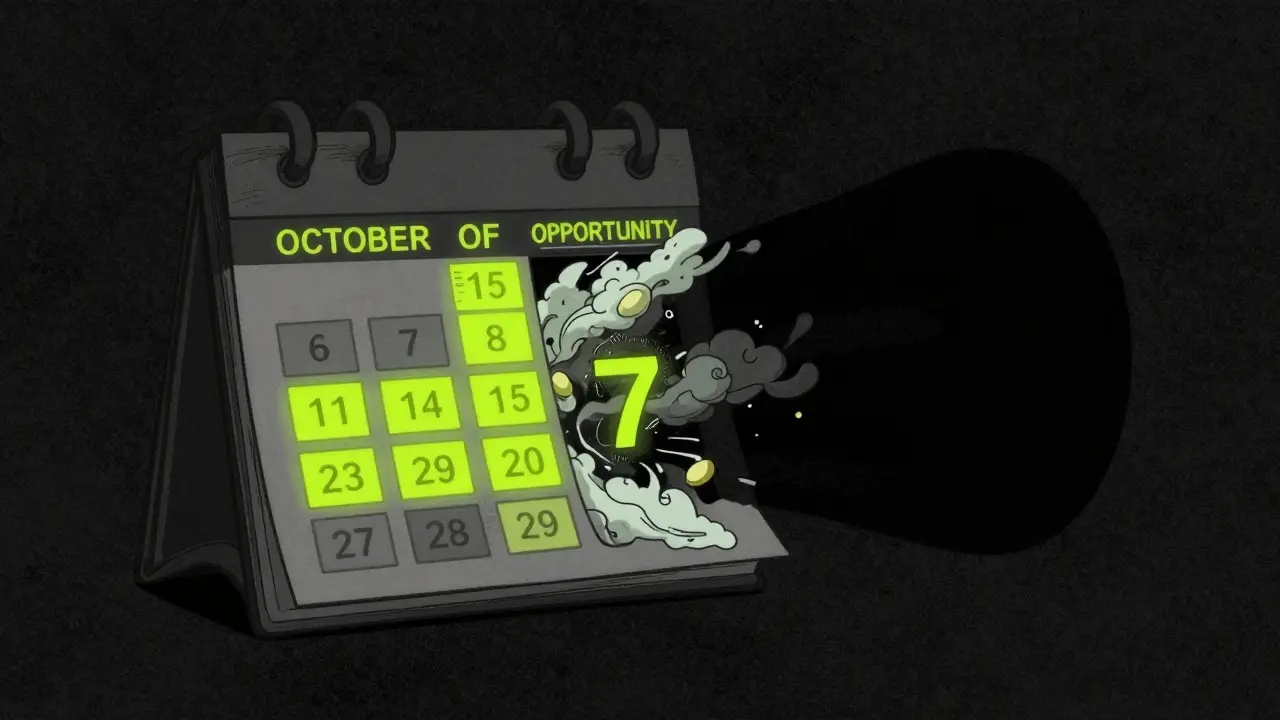
The Window of Opportunity: Dates That Matter
You cannot change your prescription drug coverage whenever you want. The federal government sets strict deadlines. For coverage starting in 2026, the window opens on October 15, 2025, and closes sharply on December 7, 2025. Any changes you make within these dates take effect on January 1, 2026.
Why does this timing matter? Because insurance companies finalize their rates, networks, and drug lists well before October. If you wait until November, you might miss out on the best options as popular plans fill up or as you realize too late that your preferred pharmacy is no longer 'preferred.'
- October 15: The doors open. You can switch from Original Medicare to a Medicare Advantage plan, join a standalone Part D plan, or swap between existing plans.
- December 7: The hard stop. If you submit your request after this date, it won’t be processed until the next enrollment period, leaving you with potentially expensive coverage for the entire year.
There is a secondary window called the Medicare Advantage Open Enrollment Period (MAOEP) running from January 1 to March 31. However, this is limited. During MAOEP, you can only switch from a Medicare Advantage plan back to Original Medicare or switch to a different Medicare Advantage plan. You generally cannot join a standalone Part D plan during this time unless you drop Medicare Advantage entirely. Missing the fall deadline limits your flexibility significantly.
Gather Your Arsenal: What You Need Before You Start
Most people start by looking at premiums. They see a $0 monthly premium and click 'enroll.' This is a dangerous trap. A low monthly premium often hides high copays for specific drugs. To avoid this, you need concrete data before you compare plans.
Grab a notebook or open a spreadsheet. List every medication you currently take. Include over-the-counter supplements if you pay for them out-of-pocket, as some plans cover these. For each item, write down:
- The exact brand name or generic name.
- The dosage (e.g., 10mg vs. 20mg).
- The quantity per prescription (e.g., 30 pills, 90 pills).
- How often you refill it.
Next, locate your current plan’s Annual Notice of Change (ANOC). Your insurer sends this document in September. It details exactly how your coverage changes for the new year. Look for sections titled 'Formulary Changes' or 'Drug Tier Changes.' If your current plan moves your heart medication from Tier 2 to Tier 4, your cost could jump from $15 to $150 per month. Knowing this upfront tells you immediately whether staying put is a good idea.
Decoding Formulary Tiers and Costs
Insurance plans group drugs into 'tiers.' Think of these like airline classes. Economy is cheap; First Class is expensive. Most plans have four or five tiers:
- Tier 1: Preferred generics. Usually the cheapest option.
- Tier 2: Non-preferred generics or preferred brand-name drugs.
- Tier 3: Non-preferred brand-name drugs.
- Tier 4 & 5: Specialty drugs. These are often injectables or complex treatments with very high cost-sharing.
When comparing plans, do not look at the average cost. Look at the cost for your specific list. A plan might offer cheap insulin but charge a fortune for your arthritis medication. Since the Inflation Reduction Act provisions took full effect, the 'donut hole' coverage gap has been closed, meaning you pay a consistent percentage (typically 25% for brand names) once you hit certain spending thresholds. However, the initial copay amounts still vary wildly between plans.
Check for utilization management restrictions. Does the plan require 'prior authorization' for your drug? This means your doctor must call the insurance company to prove you need it before they approve payment. Does it require 'step therapy'? This forces you to try a cheaper, less effective drug first before covering the one you actually need. These hurdles add time and stress to your healthcare routine.
Original Medicare vs. Medicare Advantage
This is the biggest crossroads in your planning. You must choose between keeping Original Medicare (Parts A and B) and adding a standalone Part D plan, or switching to a Medicare Advantage (Part C) plan that bundles everything together.
| Feature | Original Medicare + Part D | Medicare Advantage (Part C) |
|---|---|---|
| Prescription Drug Coverage | Requires separate Part D plan enrollment | Usually included (MA-PD plans) |
| Out-of-Pocket Maximum | No limit for medical services (Part A/B); Part D has a cap | Capped annually (e.g., $8,000 in 2025, expected similar for 2026) |
| Provider Networks | See any doctor who accepts Medicare nationwide | Restricted to network providers (HMO/PPO structures) |
| Prior Authorization | Rarely required for standard services | Frequently required for specialists and certain drugs |
| Supplemental Benefits | Limited (requires separate Medigap policy) | Often includes dental, vision, hearing, and gym memberships |
If you travel frequently or see specialists outside your local area, Original Medicare offers freedom. You can walk into any hospital in the country that accepts Medicare. Medicare Advantage plans often restrict you to a geographic service area. If you move or travel long-term, you might find yourself without coverage.
However, if you stay home and want predictable costs, Medicare Advantage can be attractive. The out-of-pocket maximum protects you from catastrophic medical bills. But remember: those extra benefits like dental cleanings come with strings attached. Many plans limit visits to two per year or only cover specific types of procedures.
The Pharmacy Network Check
Your drug might be covered on paper, but where do you pick it up? Plans designate pharmacies as 'preferred' or 'standard.' Filling a script at a preferred pharmacy might cost $10. At a standard pharmacy, that same script could cost $50.
Call your usual pharmacy. Ask them which plans they are 'preferred' partners for in the coming year. If your favorite chain is dropping your current plan, factor in the inconvenience of driving to a new location. Convenience matters more than you think. If picking up your meds requires a 20-minute detour, you might skip refills or rush through them, leading to errors.
Also check mail-order options. Many Part D plans offer significant discounts if you order 90-day supplies via mail. If you take stable maintenance medications, this can slash your annual costs by hundreds of dollars. Just ensure the mail-order service delivers reliably to your address.

Using the Tools: Medicare Plan Finder
Don't guess. Use the official Medicare Plan Finder tool on Medicare.gov. It is free, unbiased, and comprehensive. Enter your zip code and your list of medications. The tool will generate a side-by-side comparison of all available plans in your area.
Look for the 'Estimated Total Cost' column. This combines premiums, deductibles, and estimated drug copays. Ignore the plan with the lowest premium if its total cost is high. Focus on the plan with the lowest total cost for your specific regimen.
If the numbers confuse you, seek help. State Health Insurance Assistance Programs (SHIP) offer free, unbiased counseling. They are not salespeople. Their job is to help you understand your rights and options. You can find your local SHIP office through the National Council on Aging website. Spending an hour with a counselor can prevent costly mistakes.
Avoiding Common Pitfalls
Even careful planners slip up. Here are the most frequent errors to watch for:
- Ignoring Medication Changes: Did your doctor prescribe a new drug in August? Make sure it is included in your new plan’s formulary. Don’t base your decision solely on last year’s list.
- Assuming Continuity: Just because a plan was good in 2025 doesn’t mean it is good in 2026. Insurers change formularies and networks annually. Always review the ANOC.
- Dropping Part D Without Replacement: If you drop your Part D plan to switch to Medicare Advantage, ensure the new plan includes drug coverage. Going without creditable coverage for 63 days or more triggers a permanent late enrollment penalty.
- Missing the Deadline: Set calendar reminders for mid-October and early December. Do not wait until December 6 to make your choice. Processing delays can cause your request to miss the cutoff.
Planning for annual open enrollment is not a chore; it is a proactive strategy for protecting your wallet and your health. By gathering your data, understanding the tiers, and using the right tools, you take control of your coverage rather than letting insurance companies dictate your costs. Take the time now in October and November to secure peace of mind for the year ahead.
What happens if I miss the Medicare Open Enrollment deadline?
If you miss the Annual Open Enrollment Period (October 15 - December 7), you generally cannot change your Medicare Advantage or Part D plan until the next enrollment period. You may qualify for a Special Enrollment Period (SEP) if you experience a qualifying life event, such as moving to a new service area, losing other credible coverage, or getting a disability determination. Otherwise, you are stuck with your current plan for the entire year, which could result in higher costs if your medications or needs change.
Can I switch from Medicare Advantage back to Original Medicare during Open Enrollment?
Yes. During the Annual Open Enrollment Period, you can disenroll from a Medicare Advantage plan and return to Original Medicare. You can also enroll in a standalone Part D prescription drug plan at the same time. This change takes effect on January 1 of the following year. Note that if you return to Original Medicare, you may also be eligible to enroll in a Medigap (Medicare Supplement) plan, but you might face medical underwriting depending on your state laws and history.
What is a formulary, and why should I care?
A formulary is the list of drugs that a specific Medicare Part D or Medicare Advantage plan covers. It is crucial because if your medication is not on the formulary, the plan will not pay for it, or you may have to go through a complex appeals process. Formularies change every year. Drugs can be added, removed, or moved to different cost tiers. Always check your current medication list against the new plan's formulary before enrolling.
Is it better to have a lower premium or lower copays?
It depends on your usage. If you rarely take prescriptions, a lower premium might save you money overall. However, if you take multiple daily medications, a plan with a slightly higher premium but much lower copays (or coinsurance percentages) will likely save you significantly more money over the year. Always calculate the 'total estimated cost' including premiums, deductibles, and drug costs, rather than focusing on just one number.
Do I need to do anything if I am happy with my current plan?
You do not need to actively enroll again if you want to keep your current plan; it will automatically renew. However, you should still review your Annual Notice of Change (ANOC). Even if you stay, you need to know if your premiums increased, if your pharmacy is still in-network, or if your drug tiers changed. Staying passive can lead to surprise costs if the plan’s terms worsened for your specific situation.

Gareth Tyler
May 21, 2026 AT 11:13honestly this is a lifesaver for anyone who just wants to keep their meds cheap without the headache
i usually ignore these things until its too late but reading through the tier changes section made me realize how much i could be saving by just switching plans
the part about checking if your pharmacy is still preferred was spot on because i hate driving out of my way just to pick up pills
thanks for breaking it down so simply
Sharon O’Mahonh
May 23, 2026 AT 05:13what a phenomenal guide you have crafted here my friends
it really highlights the intricate dance between policy makers and our personal health economics
we must embrace the opportunity to scrutinize our formularies with an optimistic yet critical eye
remember that knowledge is power and understanding the nuances of tier structures empowers us to make informed decisions
let us all support one another in navigating this complex landscape with grace and diligence
your well-being is paramount and deserves such thoughtful consideration
Jonhnnie john13
May 23, 2026 AT 10:38the assumption that people will actually read the ANOC is laughable
most beneficiaries are either too old or too distracted to parse dense legalistic documents
they see a zero premium and click enroll because they lack the cognitive bandwidth to calculate long term costs
this entire system relies on consumer incompetence to generate revenue for insurance conglomerates
you are treating a structural failure as a user error problem
it is pathetic
Anthony Padilla
May 24, 2026 AT 13:31hey everyone thanks for sharing this info
i know it can feel like a lot to take in but trust me it gets easier once you do it once
i used to get stressed out every year but now i just sit down with my coffee and go through the list
if u need help figuring out which plan might work for u just ask around or look up SHIP in ur state
theyre super helpful and totally free no strings attached
lets help each other out here cause nobody likes surprise bills right
Elizabeth Fandry
May 26, 2026 AT 02:55One must approach this administrative ritual with the gravity it deserves 🧠✨
The notion that healthcare is merely a transactional exchange is a profound misunderstanding of the human condition
We are not simply consumers of pharmaceutical interventions but participants in a grand societal experiment
To neglect the Annual Notice of Change is to abdicate one's responsibility to self-preservation
I find it rather pretentious when individuals claim ignorance of their coverage details
It reflects a certain intellectual laziness that is quite unbecoming of a sophisticated citizenry 📚💅
Do endeavor to elevate your discourse regarding your own welfare
Madeline Petes
May 27, 2026 AT 01:54omg i cant believe i missed the deadline last year and had to pay extra for my insulin
it was such a huge shock to my budget and i felt so stupid for not checking earlier
but hey we learn from our mistakes right?
this year im gonna set like five alarms on my phone so i dont forget again
checking the formulary tiers is definitely something i overlooked before thinking the price would stay the same
glad i found this post before it gets too late for 2026 planning
lets get those savings ladies and gentlemen 💪
Ramanath Rao
May 27, 2026 AT 06:43This article is utterly useless for anyone outside the United States
Your healthcare system is a joke compared to what we have in India
You spend thousands of dollars and still get denied coverage for basic medications
Why should I care about your Medicare nonsense when my government provides care without these ridiculous enrollment periods?
Stop complaining about minor inconveniences when you have access to resources most of the world can only dream of
Your privilege is showing
irine sabrina
May 28, 2026 AT 09:54I truly appreciate the detailed breakdown provided here
It can often feel overwhelming to navigate the complexities of insurance terminology
However, taking the time to review these documents is an act of self-care
Please remember that you are not alone in this process
Many of us share similar concerns about medication costs and coverage changes
Let us come together to share tips and support one another
Your health is invaluable and deserves careful attention
Gary Helminiak
May 30, 2026 AT 05:53Hey there folks! 👋 I wanted to add a bit more detail to the mail-order section mentioned above because it is genuinely one of the best kept secrets in Part D plans
When you order your 90-day supply via mail, you are not just saving money on the copay per pill but you are also avoiding the hassle of frequent trips to the pharmacy which can be quite tiring especially if you have mobility issues or live in a rural area
Many people overlook this option because they prefer having their meds immediately available at home but consider the convenience of having them delivered right to your doorstep in organized blister packs which can actually help with adherence to your regimen
I have seen clients save over $400 annually just by switching their maintenance medications to mail-order so please do not dismiss this tool as insignificant
It requires a little bit of planning ahead to ensure you have enough stock while waiting for the first shipment but the financial benefits are undeniable and worth the slight inconvenience
Also check if your plan covers automatic refills so you never run out unexpectedly 😊📦💰
Nivetha Narayanan
May 30, 2026 AT 06:26yo this is super helpful thanks for posting
i always get confused with all the different terms like formulary and tier stuff
but reading this makes it seem less scary now
imma go check my current plan real quick
hope yall get good deals on ur meds this year ✨
Frank Arlyss
May 30, 2026 AT 12:54does anyone else feel like their doctor knows more about their medical history than they do themselves
i mean why should i bother reading all this when i just want someone to tell me exactly what to do
its exhausting trying to figure out all these options when you already have enough stress in your life
just give me the answer already