 Jun, 24 2026
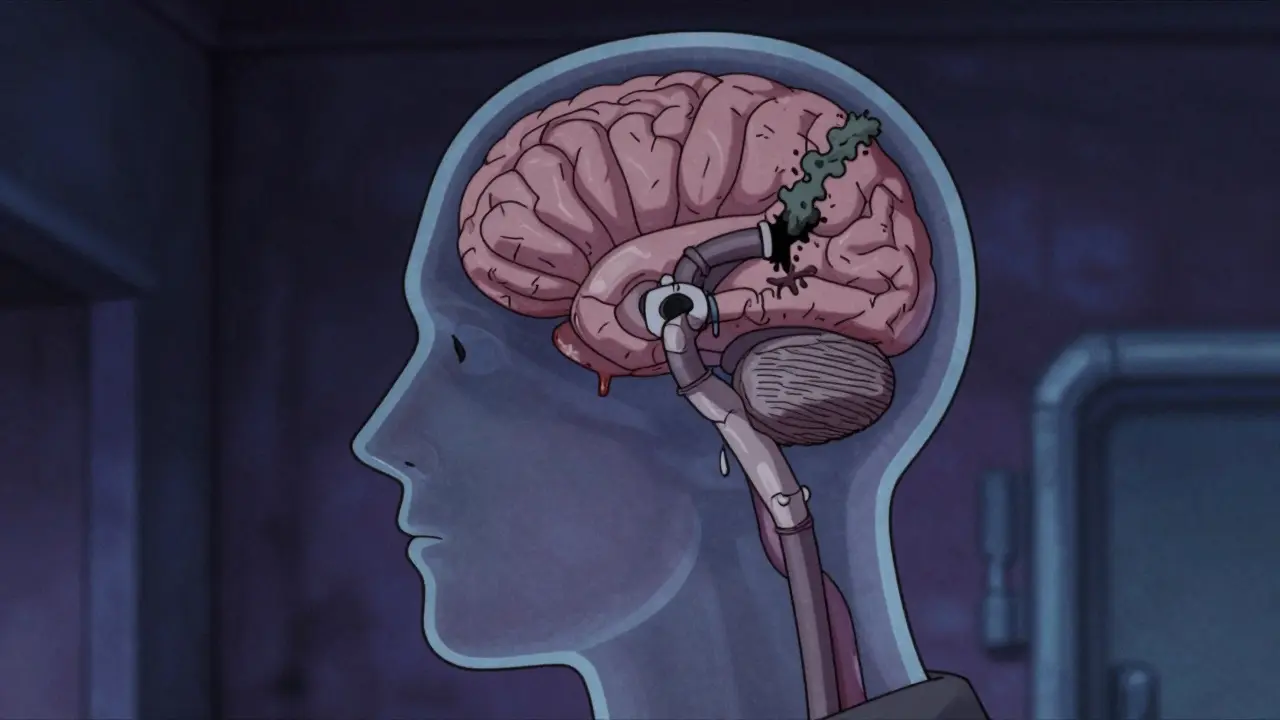
Imagine the blood vessels in your brain as a complex network of pipes delivering oxygen to every cell. Now imagine one of those pipes gets clogged or bursts. That is exactly what happens during a stroke, which is a medical emergency where blood flow to part of the brain is interrupted or reduced. The specific type of damage depends entirely on whether that pipe is blocked by debris or ruptures under pressure.
Understanding the difference between these two main types-ischemic and hemorrhagic-is not just academic trivia; it dictates how fast you need to act, what treatments are available, and how you can prevent them from happening in the first place. While they share similar warning signs, their causes and immediate risks are worlds apart.
Ischemic Stroke: The Blockage
An ischemic stroke occurs when a blood vessel supplying the brain becomes blocked. Think of it like a kink in a garden hose or a leaf stuck in the drain. Without oxygen-rich blood, brain cells begin to die within minutes. This is the most common type, accounting for approximately 87% of all stroke cases according to data from the Centers for Disease Control and Prevention (CDC).
There are three primary ways this blockage happens:
- Thrombotic Strokes: A clot forms directly inside an artery leading to the brain, often due to plaque buildup (atherosclerosis). These account for about half of all ischemic strokes.
- Embolic Strokes: A clot forms elsewhere in the body-often the heart-and travels through the bloodstream until it lodges in a narrower brain artery. Conditions like atrial fibrillation significantly increase this risk.
- Cryptogenic Strokes: Despite thorough investigation, doctors cannot identify the cause. These make up roughly 30% of ischemic cases.
The onset of symptoms for an ischemic stroke can vary. Some people experience a gradual worsening over minutes or hours, while others feel sudden deficits. Common signs include numbness on one side of the body, confusion, trouble speaking, or vision problems. Because the brain tissue dies slowly as oxygen is cut off, there is a critical window for treatment.
Hemorrhagic Stroke: The Rupture
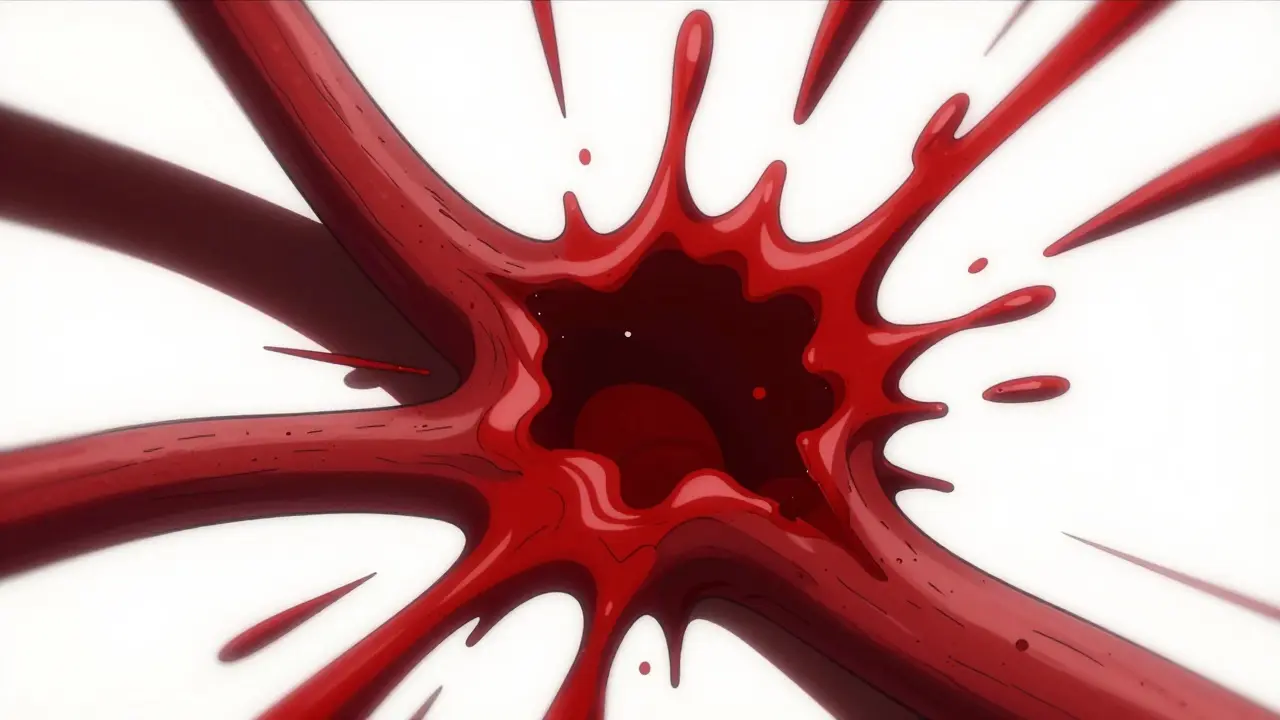
A hemorrhagic stroke happens when a weakened blood vessel bursts, spilling blood into or around the brain. This bleeding creates pressure that damages surrounding brain cells and cuts off blood flow to areas downstream. Although less common-representing only 13-15% of cases-they are often more immediately life-threatening.
Hemorrhagic strokes fall into two categories:
- Intracerebral Hemorrhage: Bleeding occurs within the brain tissue itself. This is frequently caused by uncontrolled high blood pressure damaging small arteries over time.
- Subarachnoid Hemorrhage: Bleeding occurs on the surface of the brain, usually due to a ruptured aneurysm (a bulging weak spot in a vessel wall) or arteriovenous malformation (AVM).
The symptoms here tend to be dramatic and sudden. Patients often describe a "thunderclap" headache-the worst headache of their life-that appears instantly. Other signs may include nausea, vomiting, stiff neck, sensitivity to light, seizures, or immediate loss of consciousness. In a study analyzing patient presentations, nearly 92% of hemorrhagic stroke patients reported severe headaches, compared to only 19% of ischemic stroke patients.
Key Differences: Cause, Symptoms, and Treatment
Knowing which type of stroke someone is having is crucial because the treatments are opposites. Giving blood-thinning medication to someone with a hemorrhagic stroke could worsen the bleeding and be fatal. Conversely, failing to dissolve a clot quickly in an ischemic stroke means permanent brain damage.
| Feature | Ischemic Stroke | Hemorrhagic Stroke |
|---|---|---|
| Primary Cause | Blood clot blocking a vessel | Blood vessel rupture/bleeding |
| Prevalence | ~87% of all strokes | ~13-15% of all strokes |
| Common Risk Factors | Atrial fibrillation, high cholesterol, smoking | Uncontrolled hypertension, aneurysms |
| Typical Onset | Can be gradual or sudden | Sudden, often explosive |
| Key Symptom Difference | Focal weakness, speech issues | Severe headache, vomiting, seizure |
| Immediate Treatment | Clot-busting drugs (tPA), thrombectomy | Surgery to stop bleeding, lower pressure |
Diagnosis relies heavily on speed. Upon arrival at the hospital, a non-contrast CT scan is the gold standard for distinguishing between the two. It shows up bright white if there is blood (hemorrhagic) and dark if there is a blockage without bleeding (ischemic). This distinction must be made before any medication is administered.
Prevention Strategies: Targeted Approaches
While both types share some lifestyle risk factors, the specific preventive measures differ based on the underlying mechanism. You cannot prevent a burst pipe by unclogging it, and vice versa. Here is how to target each type effectively.
Preventing Ischemic Strokes
The goal here is to keep blood flowing smoothly and prevent clots from forming or traveling.
- Manage Heart Rhythm: If you have atrial fibrillation (AFib), your heart doesn't pump efficiently, allowing clots to form. Anticoagulant medications (like apixaban or warfarin) can reduce stroke risk by 60-70%. Do not skip doses.
- Control Cholesterol: High LDL cholesterol leads to plaque buildup in arteries. Statins and dietary changes help keep arteries clear.
- Antiplatelet Therapy: For many at-risk individuals, daily low-dose aspirin or clopidogrel helps prevent platelets from sticking together to form clots. Always consult a doctor before starting this regimen.
Preventing Hemorrhagic Strokes
The focus here is on reducing pressure within the blood vessels to prevent them from bursting.
- Strict Blood Pressure Control: Hypertension is the number one risk factor. The SPRINT trial showed that keeping systolic blood pressure below 120 mmHg (instead of 140 mmHg) reduced hemorrhagic stroke risk by 38% in high-risk patients. Monitor your BP regularly.
- Avoid Smoking and Drug Use: Smoking weakens blood vessel walls. Illicit drug use, particularly cocaine and amphetamines, can cause sudden spikes in blood pressure leading to rupture.
- Screen for Aneurysms: If you have a family history of brain aneurysms, ask your doctor about screening. Small, unruptured aneurysms can sometimes be treated proactively via coiling or clipping.
Lifestyle Changes for Both Types
Regardless of the stroke type, certain habits protect your entire vascular system.
- Diet: The Mediterranean diet, rich in vegetables, fruits, whole grains, and healthy fats, has been shown to reduce overall stroke risk by 30%.
- Exercise: Aim for 150 minutes of moderate aerobic activity per week. This improves circulation and lowers blood pressure.
- Quit Smoking: Within one year of quitting, your stroke risk drops by half.
Acting Fast: The FAST Method
You do not need to diagnose the type of stroke yourself. Your job is to recognize that a stroke is happening and call emergency services immediately. Time is brain-every minute counts. Use the FAST acronym, which stands for Face drooping, Arm weakness, Speech difficulty, Time to call emergency services.
- Face: Ask the person to smile. Does one side of the face droop?
- Arm: Ask them to raise both arms. Does one arm drift downward?
- Speech: Ask them to repeat a simple phrase. Is their speech slurred or strange?
- Time: If you see any of these signs, call emergency services (911 in the US) immediately. Note the time symptoms started.
Do not drive the patient to the hospital yourself. Paramedics can begin assessment and alert the hospital, speeding up the CT scan and treatment process. Early intervention saves lives and reduces disability.
Can you survive a hemorrhagic stroke?
Yes, survival is possible, but hemorrhagic strokes have higher mortality rates than ischemic strokes. Immediate medical attention is critical to control bleeding and reduce pressure in the brain. Many survivors require extensive rehabilitation to regain lost functions.
What is the biggest risk factor for stroke?
High blood pressure (hypertension) is the single most important controllable risk factor for all types of stroke. It damages blood vessels over time, making them prone to both blockages and ruptures.
How long does tPA take to work for ischemic stroke?
tPA (alteplase) is most effective when administered within 3 to 4.5 hours of symptom onset. It works by dissolving the blood clot restoring blood flow. Newer techniques like mechanical thrombectomy can extend this window up to 24 hours for large vessel blockages.
Does stress cause a stroke?
Chronic stress can contribute to stroke risk by raising blood pressure and encouraging unhealthy behaviors like smoking or poor diet. However, stress alone rarely causes a stroke directly; it acts as a compounding factor alongside other conditions like hypertension.
Can a minor stroke lead to a major one?
A minor stroke, often called a TIA (Transient Ischemic Attack), is a serious warning sign. It indicates that the conditions for a full-blown stroke exist. About 1 in 3 people who have a TIA will eventually have a stroke, with many occurring within a year. Immediate medical evaluation is essential.
