 Apr, 18 2026
Postoperative Recovery Estimator
Use this tool to visualize how different factors influence the time it takes for your digestive system to return to normal after surgery based on clinical research.
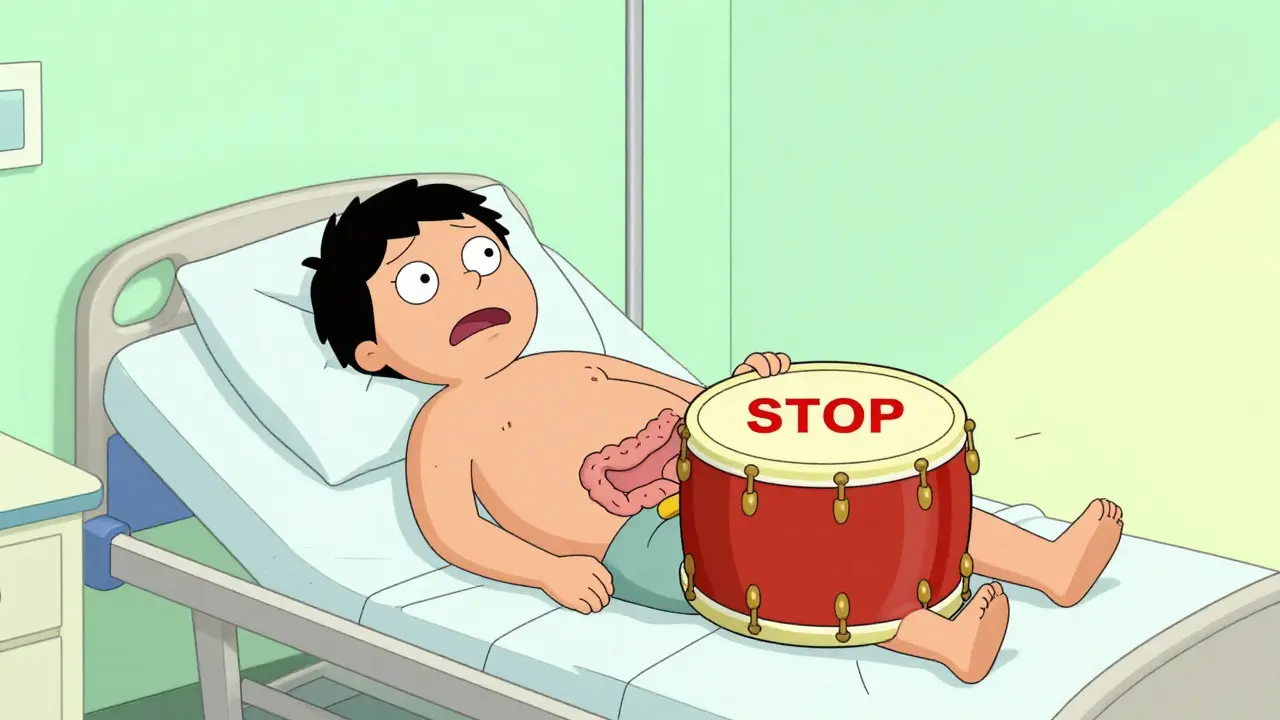
Imagine waking up from a successful surgery, only to find that while your surgical site is healing, your digestive system has completely stopped. You're nauseous, your stomach feels like a tight drum, and you can't pass gas or have a bowel movement. This isn't just a "slow start" after anesthesia; it's often Postoperative Ileus (POI), a condition where your gut essentially goes on strike. While surgical trauma plays a part, the heavy-hitting painkillers used to manage your recovery often act as the catalyst, turning a temporary slowdown into a significant medical hurdle.
Quick Summary of Key Takeaways
- POI is a temporary paralysis of the intestines that can add 2-3 days to a hospital stay.
- Opioids trigger POI by activating mu-opioid receptors, which shut down gut motility.
- The best prevention is "multimodal analgesia"-using a mix of non-opioid drugs to keep opioid doses low.
- Early movement (ambulation) and "gut-mimicking" tricks like chewing gum can speed up recovery.
- Peripheral opioid antagonists can "unblock" the gut without reversing the pain relief in the brain.
Why Opioids Stop Your Gut in Its Tracks
To understand why your bowel stops moving, you have to look at how Opioids work. These drugs are great for blocking pain in your brain, but they have a secondary home: the mu-opioid receptors located throughout your gastrointestinal tract. When these receptors are activated, they send a "stop" signal to the muscles of the intestines.
It's a three-pronged attack on your digestion. First, there's the neurogenic side, where your body's "fight or flight" system ramps up and suppresses the "rest and digest" functions. Second, the surgical trauma itself triggers an inflammatory response, releasing cytokines that irritate the gut. Finally, the pharmacologic effect of the opioids themselves can decrease colonic motility by as much as 70%. This combination leads to the classic symptoms: abdominal distension, vomiting, and a complete inability to tolerate food or water.
The High Cost of a "Quiet" Gut
A "quiet" gut isn't just uncomfortable; it's expensive and risky. Research shows that POI can add an average of 2 to 3 days to a patient's recovery time. From a financial perspective, this adds up to an estimated $1.6 billion annual cost to the U.S. healthcare system. But the real cost is felt by the patient. Those who receive higher doses of opioids-specifically over 50 morphine milligram equivalents in the first 48 hours-report significantly more severe bloating and take over twice as long to have their first bowel movement compared to those on lower doses.
| Metric | Low Dose (<20 MME/24h) | High Dose (>50 MME/48h) |
|---|---|---|
| Avg. Time to First Bowel Movement | 2.0 Days | 5.3 Days |
| Patient-Reported Bloating (1-10) | 2.4 / 10 | 7.8 / 10 |
| Likelihood of Prolonged Stay | Lower | Significantly Higher |
Prevention: The Shift to Multimodal Analgesia
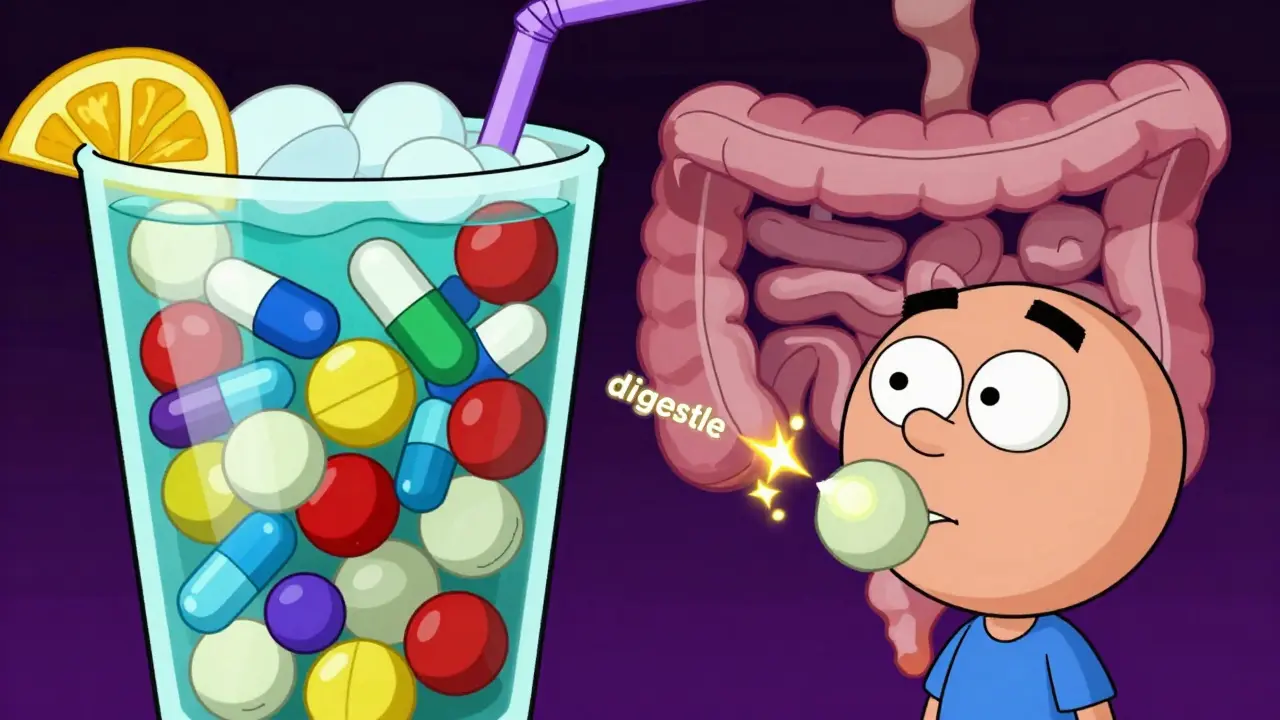
The old way of handling surgical pain was simple: give enough opioids to stop the pain. The new standard, pushed by the ERAS Society (Enhanced Recovery After Surgery), is Multimodal Analgesia. Instead of relying on one heavy-duty drug, doctors use a "cocktail" of different medications that attack pain from different angles.
A typical prevention bundle includes scheduled acetaminophen (Tylenol) and ketorolac (an NSAID), alongside regional anesthesia like epidurals. This approach is a game-changer; using an epidural for orthopedic surgery, for example, has been shown to reduce the duration of POI from 5.2 days down to 3.8 days. By keeping the total opioid dose under 30 morphine milligram equivalents in the first day, hospitals have seen POI rates drop from 30% to as low as 18%.
Practical Treatment and "Gut-Hacks"
If you've already developed POI, the goal is to jumpstart the system. While old-school methods like nasogastric tubes (tubes down the nose to suck out fluid) only offer a marginal 12% reduction in recovery time, newer strategies are more effective. One of the most surprising tools is chewing gum. By chewing gum four times a day, you trick your brain into thinking you're eating, which stimulates the release of digestive hormones and encourages the gut to wake up.
Early ambulation-simply getting out of bed and walking-is equally critical. Moving your body within four hours of surgery can reduce the duration of POI by an average of 22 hours. It sounds simple, but the physical movement helps shift gas and fluid through the intestines, breaking the cycle of stagnation.
Advanced Pharmacologic Interventions
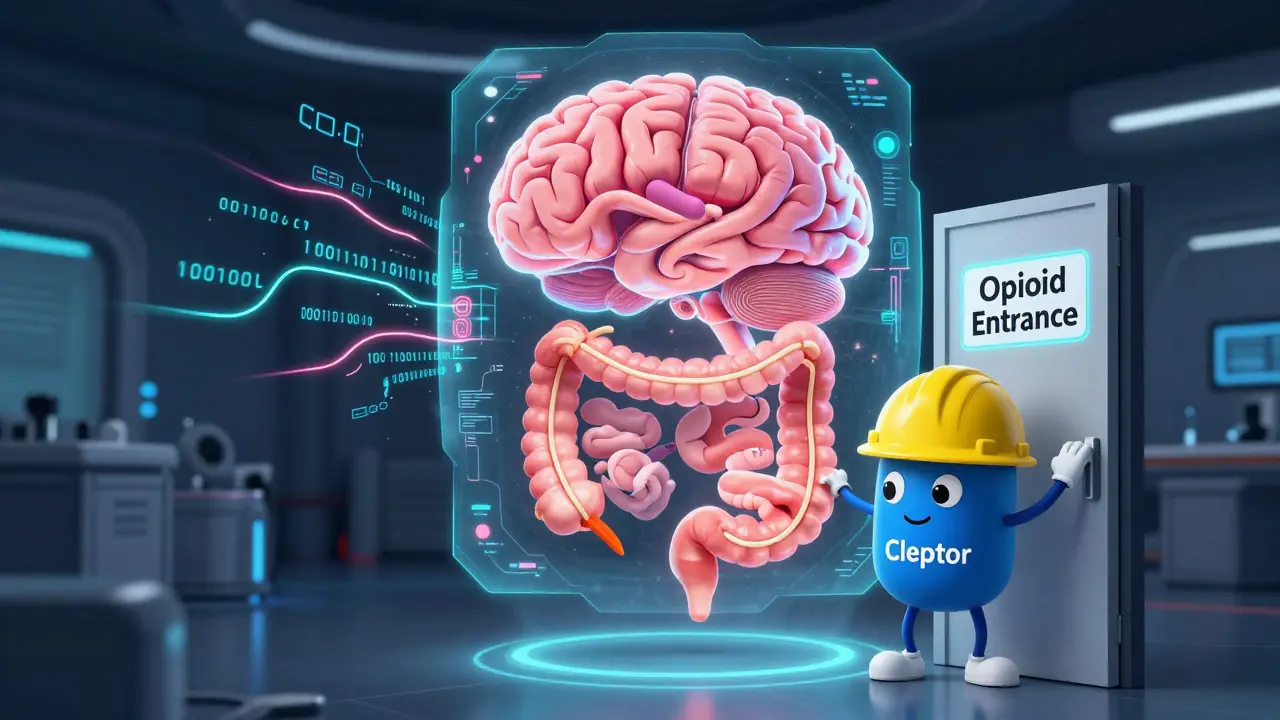
When lifestyle changes and non-opioid drugs aren't enough, doctors turn to Peripheral Opioid Receptor Antagonists. These are specialized drugs that block the opioid receptors in the gut but are too large to cross the blood-brain barrier. This means they stop the constipation and gut paralysis without taking away the patient's pain relief.
Alvimopan is a primary example, capable of reducing the time to gastrointestinal recovery by up to 24 hours in abdominal surgery patients. Another option, Methylnaltrexone, is often used for opioid-tolerant patients to speed up bowel function by 30-40%. However, these aren't for everyone; they are strictly contraindicated if a patient has a gastrointestinal obstruction, as forcing a blocked bowel to move can lead to serious complications.
The Road Ahead: AI and Microbiomes
We are moving toward a future where POI can be predicted before the first incision is made. The Mayo Clinic is currently testing AI-driven models that analyze 27 different preoperative variables to identify high-risk patients with 86% accuracy. If a doctor knows you are high-risk, they can start a restrictive opioid protocol from the get-go.
Even more futuristic are the trials for fecal microbiome transplantation and naltrexone implants. The idea is to use healthy gut bacteria to reset the intestinal environment or use a slow-release implant to keep the gut receptors blocked for the entire recovery period. While still in the early stages, these innovations aim to make the "silent gut" a thing of the past by 2027.
How do I know if I have postoperative ileus or just normal slow digestion?
While some slowness is normal, POI is typically characterized by a total lack of flatus (gas) or stool, combined with nausea, vomiting, and a visibly distended abdomen. If these symptoms persist for more than 3 days after surgery, it is clinically significant and requires medical intervention.
Can I stop taking opioids entirely to fix my gut?
Stopping opioids abruptly can be dangerous and lead to severe withdrawal or uncontrollable pain. Most doctors suggest a tapered transition to non-opioid alternatives or the use of peripheral antagonists that block gut effects without removing the pain-killing benefits.
Is chewing gum really a medical treatment?
Yes, it is a recognized part of "POI bundles" in many hospitals. Chewing gum mimics the cephalic phase of digestion, stimulating the vagus nerve and the release of gastrointestinal hormones, which helps the bowel resume its normal contractions.
What are the risks of using drugs like Alvimopan or Methylnaltrexone?
The primary risk is that these drugs can cause the bowel to contract violently. If there is a physical blockage (obstruction) in the intestine, this can lead to a perforation. Because of this, doctors must ensure there is no obstruction before prescribing these medications.
How often should I walk after surgery to prevent POI?
The goal is early and frequent ambulation. Expert guidelines suggest starting movement within 4 to 6 hours of surgery. Walking several times a day, even for short distances in the hallway, significantly reduces the time it takes for the gut to restart.

Charlotte Boychuk
April 20, 2026 AT 02:52The whole chewing gum thing is just wild!
Like, your brain is just out here playing tricks on your gut to get things moving again. Truly a cosmic joke of a remedy, but hey, if it keeps you from feeling like a bloated balloon, I'm all for it!
Truman Media
April 20, 2026 AT 21:04It is truly wonderful to see science providing such hope for patients. :) The path to healing is often a journey of patience and small steps. ☀️
Olushola Adedoyin
April 21, 2026 AT 21:48You really think it's just
Quinton Bangerter
April 23, 2026 AT 06:59Wait, so you're telling me these "peripheral antagonists" are just designed to keep us hooked on the brain-numbing stuff while pretending to fix the side effects? It's a classic play from the pharmaceutical playbook to ensure we never actually recover and stay dependent on their chemical cocktails. They talk about AI prediction models, but it's obviously just a way to categorize us into different profit streams based on our genetic markers. The entire ERAS society sounds like a front for a more streamlined way to keep patients in a state of semi-consciousness while the insurance companies milk every cent. I bet the "chewing gum" trick is just a placebo to make us feel like we have some agency in a system that's designed to keep us sedated and compliant. Don't trust the 86% accuracy claim either; those numbers are cooked in a lab to make the tech look viable for investors. It's all a giant web of control disguised as "multimodal analgesia." Wake up people, they aren't trying to wake up your gut, they're just trying to manage the wreckage of their own over-prescription habits!
Tanya Rogers
April 24, 2026 AT 19:53The juxtaposition of high-level pharmacologic intervention with the primitive act of masticating gum is, quite frankly, a comedic tragedy of modern medicine.
Cynthia Didion
April 26, 2026 AT 15:46American medicine is the gold standard. Period.
Venkatesh Venky
April 27, 2026 AT 08:21Using a multimodal approach to minimize MME is a total win for patient outcomes. Let's keep pushing these protocols to optimize gut motility and slash those LOS metrics!
Lynn Smith
April 28, 2026 AT 16:38I totally agree with the points about walking. It's so hard to do when you're in pain, but it really does make a difference in the long run.
Ms. Sara
April 28, 2026 AT 20:16It's vital that patients understand the risk of perforation with Alvimopan. We need to be very assertive about checking for obstructions first to keep everyone safe.
anne camba
April 29, 2026 AT 19:13Such a strange feeling... waiting for the body to wake up... like a slow dawn after a long night... a heavy, heavy silence inside...!!