 Jun, 7 2026
Steroid Acne vs. Fungal Folliculitis Checker
What type of steroids are you currently using?
Select the option that best describes your current medication regimen.
Assessment Result
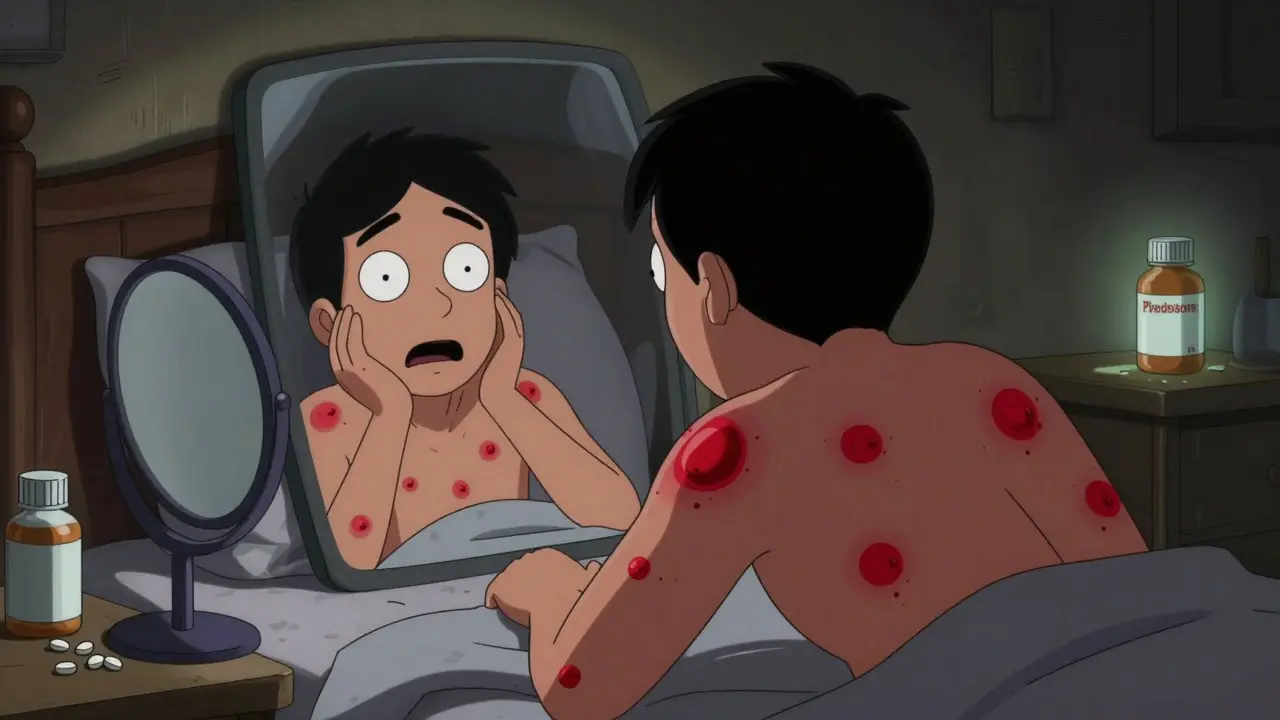
Imagine clearing up your skin for months, only to wake up one morning with a sudden breakout of identical red bumps covering your chest and back. You haven't changed your soap, you haven't eaten differently, and you're still using the same gentle routine. The culprit isn't bad hygiene or a dirty pillowcase-it’s likely the medication keeping you healthy. This is steroid-induced acne, a frustrating but manageable side effect of corticosteroids and anabolic steroids that affects thousands of patients every year.
If you are taking prednisone for asthma, managing an autoimmune condition, or navigating post-transplant care, this breakout is not a sign that your skincare failed. It is a biological reaction to high levels of circulating steroids. Understanding why it happens-and how to treat it without stopping your life-saving medication-is the key to getting your skin back under control.
Why Steroids Trigger Breakouts (The Science Simplified)
To fix the problem, we first need to understand the mechanism. Unlike typical teenage acne caused by hormonal surges during puberty, steroid-induced acne has a specific trigger: the suppression of your immune system's local defense mechanisms.
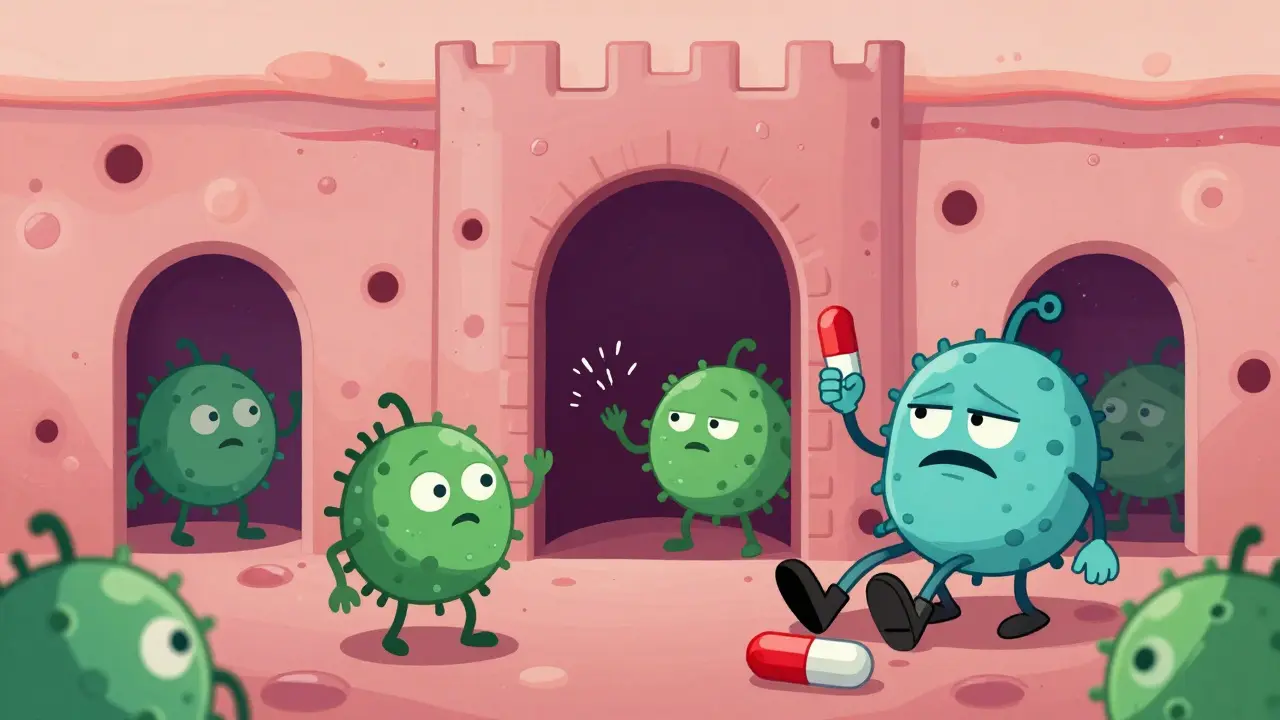
Research published in *Archives of Dermatology* established early on that corticosteroids alter how your skin bacteria behave. Specifically, steroids affect the expression of Toll-like receptor 2 (TLR2) on your skin cells. Think of TLR2 as a security guard. Normally, it keeps the Propionibacterium acnes (P. acnes) bacteria in check. When you take systemic steroids, that security guard gets confused or weakened. The P. acnes bacteria proliferate, triggering inflammation pathways that result in those dense, uniform papules.
There are two distinct types of steroid acne, and knowing which one you have changes the treatment plan entirely:
- Corticosteroid-Induced Acne: Caused by medical prescriptions like prednisone, methylprednisolone, or dexamethasone used for conditions like inflammatory bowel disease, multiple sclerosis, or severe asthma. These lesions often appear on the chest, upper back, and sometimes the face. They look like uniform red bumps that may develop whiteheads.
- Anabolic Steroid-Induced Acne: Often seen in bodybuilding communities due to illicit use of performance-enhancing drugs. This type can be more severe, leading to deep, cystic nodules and potentially acne fulminans, a rare but serious condition involving ulcerated lesions and systemic symptoms like fever and joint pain.
A critical distinction to make is whether you actually have acne or Malassezia folliculitis. In 30-40% of cases, what looks like steroid acne is actually a yeast infection caused by Malassezia fungi. Because steroids suppress immunity, these yeasts overgrow. The telltale sign? Itchiness. If your breakouts are intensely itchy and the bumps are all the exact same size without blackheads or whiteheads, you likely have fungal folliculitis, not bacterial acne. Treating fungal acne with standard acne antibiotics will make it worse.
Topical Solutions That Work While on Steroids
The most common question patients ask is, "Can I stop my steroids?" For many, the answer is no. If you are on a tapering schedule for a flare-up or maintenance therapy for a chronic condition, stopping abruptly can be dangerous. So, how do we treat the skin while maintaining systemic health?
The gold standard for treating steroid-induced comedones (clogged pores) is topical tretinoin. A landmark study from 1973 demonstrated that applying 0.05% tretinoin solution once or twice daily cleared dense aggregates of comedones in 85-90% of patients within two to three months, even while they continued their steroid therapy. Tretinoin works by accelerating cell turnover, preventing the dead skin cells from clogging the follicle in the first place.
However, tretinoin is potent. If you start slathering it on immediately, you risk damaging your skin barrier, especially since steroids already thin the skin. Here is a safer approach:
- Start Slow: Apply a pea-sized amount of 0.05% tretinoin every third night for the first two weeks.
- Moisturize First: Apply your moisturizer before the tretinoin to buffer irritation.
- Gradual Increase: Move to every other night, then nightly as your skin tolerates it.
For inflammatory lesions (red, angry pimples), combining tretinoin with benzoyl peroxide is effective. Benzoyl peroxide kills P. acnes bacteria and reduces inflammation. Use a 5% wash in the shower rather than a leave-on cream to minimize dryness. Leave it on your chest and back for 2-3 minutes before rinsing. This method reduces resistance risks compared to topical antibiotics alone.
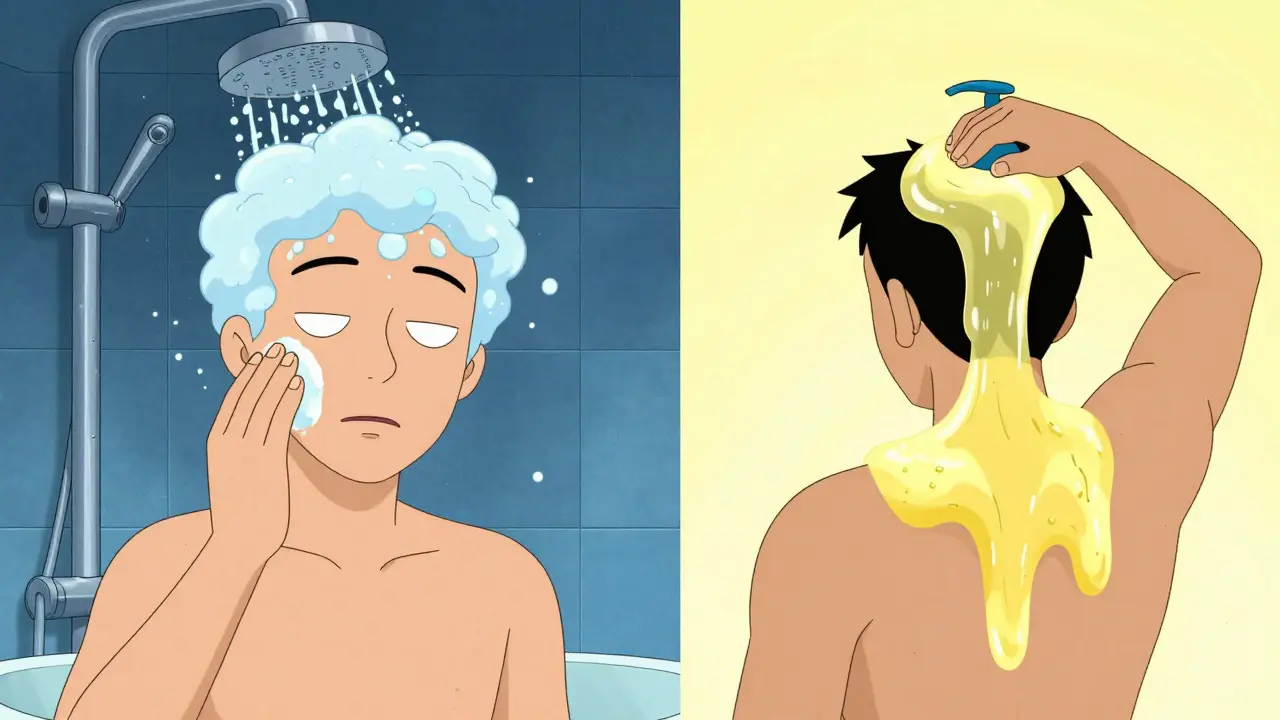
If you suspect Malassezia folliculitis (the itchy, uniform bumps), skip the acne treatments and go straight to antifungals. Using a ketoconazole shampoo (2%) or selenium sulfide shampoo (2.5%) as a body wash is highly effective. Apply it to affected areas, let it sit for 5-10 minutes to allow the active ingredients to penetrate the hair follicles, and then rinse. Doing this 2-3 times a week typically clears fungal folliculitis within a few weeks.
When Topicals Aren't Enough: Oral Interventions
Sometimes, topical creams aren't strong enough to counteract the systemic impact of high-dose steroids. In these cases, dermatologists may prescribe oral medications. However, caution is required.
Oral antibiotics like doxycycline (typically 100mg twice daily) or minocycline are commonly used to reduce inflammation and bacterial load. They are effective for moderate-to-severe cases. However, the Cleveland Clinic warns against long-term use due to antibiotic resistance. A course should generally not exceed 3-4 months. Once the acute inflammation subsides, you must transition back to topical maintenance.
For women, hormonal modulation can be powerful. Medications like spironolactone (an anti-androgen) or oral contraceptives containing ethinyl estradiol can help block the hormonal receptors that contribute to oil production and inflammation. This is particularly useful if the patient has underlying hormonal acne tendencies exacerbated by steroids.
The nuclear option is oral isotretinoin. This is the most effective treatment for severe, scarring steroid acne. It shrinks oil glands and normalizes skin cell shedding. However, there is a major warning flag here, especially for those using anabolic steroids for bodybuilding. Case studies published in 2021 document instances where isotretinoin triggered acne fulminans in patients currently cycling anabolic steroids. This paradoxical worsening involves severe ulceration and requires immediate hospitalization. If you are using anabolic steroids, consult a specialist before considering isotretinoin. For medical corticosteroid users, isotretinoin is generally safe and highly effective, but it requires enrollment in the iPLEDGE program due to its teratogenic (birth defect-causing) risks.
Lifestyle Adjustments to Support Skin Healing
Treatment isn't just about what you put on your skin; it's about what you avoid doing to it. Steroid-induced skin is fragile. It is thinner, less elastic, and more prone to tearing and bruising. Aggressive physical exfoliation is your enemy.
Ditch the rough washcloths, loofahs, and harsh scrubs. Friction creates micro-tears in the skin barrier, allowing bacteria to enter deeper and worsening inflammation. Instead, use a soft cotton cloth or your hands to cleanse. Stick to non-comedogenic, fragrance-free cleansers that maintain the skin's pH balance.
Hydration is critical. Steroids dehydrate the skin from the inside out. Use a lightweight, non-comedogenic moisturizer containing ceramides or hyaluronic acid. This helps repair the lipid barrier compromised by both the steroids and the acne treatments like tretinoin and benzoyl peroxide. Look for labels saying "oil-free" or "non-acnegenic" to ensure you aren't adding fuel to the fire.
Sun protection is non-negotiable. Corticosteroids increase photosensitivity, making your skin burn faster. Many acne treatments, including tretinoin and doxycycline, also make you more sensitive to UV rays. Sun damage worsens post-inflammatory hyperpigmentation (dark spots left after pimples heal). Use a broad-spectrum SPF 30 or higher daily, even on cloudy days. Mineral sunscreens with zinc oxide are often better tolerated by sensitive, steroid-compromised skin than chemical filters.
Dietary factors play a supportive role. While food doesn't cause steroid acne directly, high-glycemic foods (sugar, white bread) and dairy products can spike insulin-like growth factor 1 (IGF-1), which stimulates oil production. Reducing sugar intake and limiting skim milk may help reduce the severity of breakouts, giving your topical treatments a better chance to work.
Timeline and Expectations: Patience Is Key
One of the biggest frustrations with steroid acne is the delayed onset. It rarely appears the day you start your medication. It typically emerges 4-6 weeks after initiating therapy. This delay makes it hard to connect the dots initially.
Similarly, resolution takes time. If you can discontinue the steroid, the acne usually resolves within 4-8 weeks. But if you must continue the medication, expect a longer journey. Topical tretinoin takes 6-8 weeks to show noticeable improvement and up to 12 weeks for full results. Oral antibiotics may show improvement in 2-4 weeks, but full clearance takes longer.
Don't panic if you see a "purge" phase when starting retinoids. As cell turnover accelerates, existing micro-comedones surface quickly, looking like a temporary worsening. This is normal and indicates the treatment is working. Stick with it for at least 8 weeks before judging efficacy.
| Treatment Type | Best For | Key Benefit | Major Risk/Side Effect |
|---|---|---|---|
| Topical Tretinoin (0.05%) | Comedones, mild-moderate acne | Prevents new clogs, improves texture | Irritation, dryness, sun sensitivity |
| Benzoyl Peroxide Wash | Inflammatory papules/pustules | Kills bacteria, prevents resistance | Drying, bleaching fabrics |
| Ketoconazole Shampoo | Malassezia folliculitis (itchy bumps) | Targets yeast overgrowth | Mild scalp/skin dryness |
| Oral Doxycycline | Moderate-severe inflammatory acne | Rapid reduction in inflammation | Antibiotic resistance, GI upset |
| Oral Isotretinoin | Severe, scarring, refractory cases | Most effective long-term cure | Teratogenicity, dry mucous membranes |
When to See a Dermatologist
You should seek professional care if:
- Your breakouts are painful, cystic, or leaving scars.
- You experience systemic symptoms like fever, joint pain, or fatigue alongside the acne (potential acne fulminans).
- Over-the-counter treatments fail after 8-12 weeks.
- You are unsure if you have bacterial acne or fungal folliculitis.
A dermatologist can perform a simple scraping test to identify Malassezia yeast or P. acnes bacteria, ensuring you get the right prescription. They can also coordinate with your primary care physician to adjust steroid dosages if possible, finding the lowest effective dose to minimize skin side effects.
How long does steroid-induced acne last after stopping steroids?
If you can safely discontinue the corticosteroid, steroid-induced acne typically resolves within 4 to 8 weeks. However, residual post-inflammatory hyperpigmentation (dark spots) may take several months to fade. Continuing topical treatments like tretinoin after stopping steroids can speed up this clearance process.
Can I use salicylic acid for steroid acne?
Yes, salicylic acid can be helpful for unclogging pores and reducing inflammation. It is gentler than tretinoin and can be used in washes or leave-on toners. However, for dense comedonal steroid acne, tretinoin is clinically proven to be more effective. Salicylic acid is a good alternative if your skin cannot tolerate retinoids.
Is steroid acne contagious?
No, steroid-induced acne is not contagious. It is an internal reaction to medication affecting your skin's biology and microbiome. You cannot pass it to others through contact.
What is the difference between steroid acne and regular acne?
Regular acne vulgaris usually presents with a mix of lesion types (blackheads, whiteheads, papules, pustules, cysts) and is driven by hormones and genetics. Steroid acne typically presents as uniform, monomorphic red papules, often concentrated on the chest and back. It appears suddenly after starting steroid therapy and lacks the varied lesion types of typical acne.
Can diet help prevent steroid-induced acne?
While diet cannot completely prevent steroid-induced acne since the root cause is pharmacological, reducing high-glycemic foods (sugars, refined carbs) and limiting dairy may help reduce overall inflammation and oil production. Staying hydrated and eating antioxidant-rich foods supports skin healing.
Why does my steroid acne itch so much?
Intense itching suggests you may have Malassezia folliculitis rather than typical bacterial acne. This is a yeast overgrowth favored by the immunosuppressive effects of steroids. Standard acne treatments won't work well; instead, try an antifungal shampoo like ketoconazole or selenium sulfide as a body wash.

rebecca torres
June 8, 2026 AT 15:39the part about malassezia is huge. most people just blast it with benzoyl peroxide and wonder why it gets worse. if its itchy and uniform its yeast not bacteria. simple as that.
Erin Livengood
June 9, 2026 AT 06:33It feels like a betrayal when your body reacts this way to something meant to help you. The distinction between the bacterial and fungal triggers is such a crucial nuance, isn't it? It reminds me of how complex our internal ecosystems are, always balancing on a knife's edge. I found the explanation about TLR2 acting as a confused security guard to be wonderfully illustrative of the biological chaos at play here.
One thing that struck me was the timeline aspect. Waiting four to six weeks for the breakout to appear makes it so hard to connect the dots initially. It’s a slow-burning revelation rather than an immediate shock. I’ve seen friends struggle with this exact ambiguity, blaming their skincare routine or diet when the real culprit was systemic. The advice to start tretinoin slowly is golden because steroid-thinned skin is incredibly fragile. It’s a delicate dance between healing and irritation.
Daniella Renzon
June 11, 2026 AT 00:55this is super helpful info. i had no idea steroids could cause acne like this. thanks for breaking it down so clearly. hope everyone reading finds what works for them.
Cecilia McGuinness
June 12, 2026 AT 23:21i tried the ketoconazole shampoo trick and it actually worked wonders for my back. took forever to realize it wasnt regular acne tho. glad u mentioned the itch factor thats the key sign.
Talilla Bailey
June 13, 2026 AT 22:15The clinical evidence presented regarding topical tretinoin efficacy is substantial. However, one must exercise extreme caution regarding the interaction between isotretinoin and anabolic steroid use. The risk of acne fulminans is not merely theoretical; it is a documented medical emergency requiring immediate intervention. Patients must consult their dermatologist before initiating any oral retinoid therapy while under the influence of exogenous androgens. Furthermore, the teratogenic risks associated with isotretinoin necessitate strict adherence to the iPLEDGE program protocols. This is a matter of significant medical safety.
Aditya Singh
June 14, 2026 AT 05:02Fascinating insight into the pathophysiology of corticosteroid-induced folliculitis. The modulation of Toll-like receptor 2 expression by systemic glucocorticoids fundamentally alters the host immune response to Cutibacterium acnes colonization. It is imperative to differentiate between bacterial proliferation and Malassezia overgrowth via potassium hydroxide (KOH) preparation microscopy. Empirical treatment with antifungals like ketoconazole is often warranted in immunocompromised hosts presenting with monomorphic pruritic papules. The synergistic effect of high-glycemic index diets exacerbating insulin-like growth factor-1 mediated sebum production cannot be overlooked in holistic management strategies.
Brett Webster
June 15, 2026 AT 12:02Great points everyone. I want to add that if you are using doxycycline, make sure you stay out of the sun. It makes you photosensitive too. Also don't take it with dairy or antacids or it won't absorb properly. Just some practical tips from experience.
Sherry Wheeler
June 16, 2026 AT 04:12Oh my goodness, the stress of dealing with this while already managing a health condition is overwhelming! It’s like your skin is staging a protest against the very medicine keeping you alive. But look at the light at the end of the tunnel-knowing exactly what to do changes everything. That moment when you realize it’s yeast and not bacteria? Pure relief! You have to trust the process, even if the purge phase looks terrifying. Your skin is fighting for you, just give it time and patience. You’ve got this!