 Jul, 3 2026
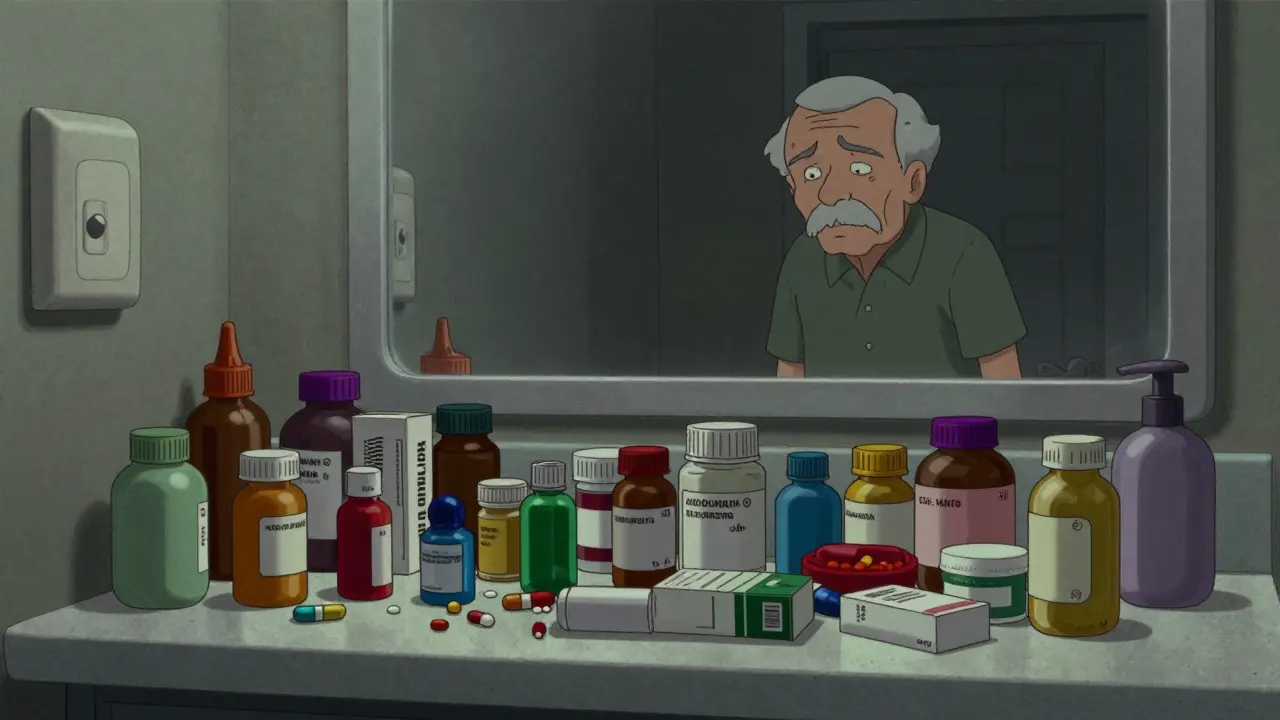
Are you taking pills that no longer help you? Many of us accumulate medications over the years, sometimes without realizing they are causing more harm than good. This is called polypharmacy, defined as the concurrent use of five or more medications. It affects about 41% of older adults. The good news is that you can work with your doctor to stop these unnecessary drugs. This process is known as deprescribing, which is the systematic process of identifying and discontinuing medications when their potential harms outweigh their benefits. Not only does it improve your health, but it also saves you money.
What Is Deprescribing and Why Does It Matter?
Deprescribing is not just about stopping a pill. It is a careful plan to remove drugs that might be causing side effects like dizziness, memory loss, or falls. It emerged as a formal clinical concept around 2010-2012. Today, it is a key part of safe healthcare. For many people, especially seniors, medication costs are rising fast. Between 2014 and 2019, prescription drug costs went up by 60%. By removing one unnecessary $50/month medication, you save $600 a year. That adds up quickly.
The goal is to reduce harm first. Saving money is a great bonus. Studies show that avoiding a single medication-related hospitalization can save you thousands. In 2022, the average cost for such a stay was $15,700. Deprescribing helps prevent these expensive trips to the emergency room.
Step 1: The Brown Bag Review
The best way to start is with a "brown bag review." Bring every bottle, box, and supplement you take to your next appointment. Include over-the-counter drugs and vitamins. Do not leave anything out. Doctors often find an average of 2.3 unnecessary medications per patient during these reviews. This simple step gives your doctor a clear picture of what is in your system.
- Gather all prescription bottles.
- Include over-the-counter pain relievers or sleep aids.
- Add any herbal supplements or vitamins.
- Note the cost of each item if possible.
This list helps your doctor see duplicates or interactions. For example, you might be taking a vitamin D supplement even though your blood levels are normal. Stopping that could save you hundreds of dollars a year.
Step 2: Identify Inappropriate Medications
Your doctor will look at your list using tools like the Beers Criteria, a list of potentially inappropriate medications for older adults. This criteria lists 53 drugs that should generally be avoided in older patients. They might cause confusion or increase fall risk. Your doctor will check if any of your meds are on this list. They will also ask why you started each medication. If the original reason is gone, the drug might not be needed anymore.
For instance, some people take proton pump inhibitors for acid reflux long after the issue has resolved. A 2021 study found that stopping these safely saved patients an average of $420 annually. It also lowered their risk of pneumonia by 25%. Always let your doctor decide what to stop. Never quit cold turkey on your own.

Step 3: Create a Tapering Plan
Stopping a medication suddenly can be dangerous. You need a tapering schedule. This means slowly reducing the dose over weeks or months. Your doctor will create a timeline for each drug. Typically, you reduce one medication at a time over 4-12 weeks. This allows your body to adjust. It also lets you monitor for any withdrawal symptoms or return of old problems.
Keep a diary during this period. Write down how you feel each day. Note any changes in energy, mood, or physical symptoms. Share this with your doctor at follow-up visits. This feedback loop ensures the process is safe and effective. It helps fine-tune the plan based on your personal experience.
Step 4: Monitor and Follow Up
Deprescribing requires regular check-ins. The American Academy of Family Physicians recommends annual comprehensive reviews. However, if you are on high-risk meds, you may need more frequent assessments. During these visits, your doctor will evaluate your progress. They will check if stopping a drug caused any issues. If everything looks good, you move to the next medication on the list.
Pharmacists play a huge role here too. Community pharmacists can offer free medication therapy management services. Under Medicare Part D, these services include finding cheaper alternatives. A 2022 study showed these reviews identified an average of $1,200 in annual savings per patient. Ask your pharmacist for a consult. They know the ins and outs of drug costs and interactions better than anyone.
Questions to Ask Your Doctor
Being prepared with questions makes the conversation smoother. Here are key questions to bring to your appointment:
- Why am I taking this specific medication?
- What are the potential benefits and harms right now?
- Can this drug cause falls or memory problems?
- Is it possible to stop or reduce the dose?
- Who should I contact if I have side effects during tapering?
These questions show your doctor that you are engaged. It shifts the dynamic from passive patient to active partner. It encourages them to spend more time reviewing your list. Remember, 78% of primary care physicians support deprescribing. They want to help you live healthier and spend less.

Financial Benefits and Real Savings
The financial impact of deprescribing is significant. The Lown Institute estimates that inappropriate polypharmacy costs the U.S. healthcare system $30 billion annually. Much of this comes from preventable hospital visits. By working with your provider, you avoid these hidden costs. Plus, you keep more cash in your pocket for other needs.
Consider the case of a 72-year-old woman who saved $840 a year. She stopped a sleep aid she no longer needed and two redundant supplements. Small changes lead to big savings. With medication costs rising faster than inflation, every dollar counts. The Inflation Reduction Act has capped insulin at $35/month, but many other drugs remain pricey. Deprescribing is a powerful tool to manage these expenses.
| Factor | Continuing Polypharmacy | Structured Deprescribing |
|---|---|---|
| Annual Cost Impact | High (rising 60% since 2014) | Low (saves avg. $780 per discontinued med) |
| Hospitalization Risk | Higher (37% of cases preventable) | Lower (reduces adverse events by 28%) |
| Patient Safety | Risk of falls, confusion, interactions | Improved clarity and stability |
| Process Complexity | Passive (just take pills) | Active (requires monitoring and tapering) |
Common Pitfalls to Avoid
Do not attempt self-directed deprescribing. A 2022 survey found that 18% of patients who stopped meds without guidance had adverse effects. This led to unexpected medical bills averaging $1,200. Always involve your healthcare team. Another pitfall is stopping too quickly. Rapid discontinuation of blood pressure meds can cause rebound spikes. This increases stroke risk. Patience is key. Let the tapering process unfold naturally.
Also, beware of fragmented care. If you see multiple specialists, they might not talk to each other. This leads to duplicate prescriptions. Make sure your primary care doctor knows about all your specialists. Use a central pharmacy for all your scripts. This helps catch errors before they reach you.
Future Trends in Medication Management
New tools are making deprescribing easier. AI-powered software like MedStopper is now used in over 127 hospitals. It identifies cost-saving opportunities with 89% accuracy. These systems flag potential issues before they become problems. As CMS ties reimbursement to medication safety, more doctors will adopt these practices. By 2025, condition-specific guidelines for 12 high-cost drug classes will be available. This means clearer paths for stopping statins, opioids, and other common meds.
The momentum is strong. Integrated health systems are leading the way. In 2023, 72% had structured deprescribing protocols, up from just 28% in 2018. This shift reflects a growing understanding that less can be more. Your health and wallet will thank you for getting involved in this process today.
What is the first step in deprescribing?
The first step is a brown bag review. Gather all your medications, including over-the-counter drugs and supplements, and bring them to your doctor's appointment. This allows for a complete assessment of what you are taking.
How much money can I save by deprescribing?
Savings vary, but eliminating one unnecessary $50/month medication saves $600 annually. On average, patients save around $780 per discontinued medication. Additionally, avoiding medication-related hospitalizations can save thousands of dollars.
Is it safe to stop medications on my own?
No, never stop medications without medical supervision. Self-directed deprescribing can lead to adverse effects and costly emergency visits. Always work with your doctor to create a safe tapering schedule.
What is the Beers Criteria?
The Beers Criteria is a list of potentially inappropriate medications for older adults. It helps doctors identify drugs that may cause more harm than benefit, such as those increasing fall risk or confusion.
How long does the deprescribing process take?
Deprescribing is gradual. Typically, one medication is reduced at a time over 4-12 weeks. The entire process depends on how many medications need review and your body's response to changes.

Gilbert Bankual
July 5, 2026 AT 06:18This is exactly what people need to hear. Stop taking pills just because someone told you to. Talk to your doc and save some cash.
Sarah Boomgaard
July 6, 2026 AT 08:02Oh please. You think doctors are out here trying to poison you? It's not that simple. The system works for most people. Don't be so dramatic about saving a few bucks. Health is expensive.
Ashley Loera
July 7, 2026 AT 09:07OMG this is so true!! I took my mom to the doctor last week and she had like 10 bottles of stuff! We stopped 3 of them and now she feels way better. Why do doctors prescribe so much?? Its crazy!
Divya Prakash
July 8, 2026 AT 02:50It is rather amusing to observe how the layperson, with their limited understanding of pharmacokinetics and clinical guidelines, assumes that every medication prescribed by a qualified medical professional is an unnecessary burden on their wallet or well-being. The Beers Criteria, while useful, is not a definitive guide for every individual case, and suggesting that patients should simply 'brown bag' their medications implies a level of medical literacy that is frankly nonexistent in the general population. One must consider the complex interplay of comorbidities, polypharmacy risks, and the nuanced art of geriatric medicine before jumping to conclusions about cost-saving measures that could potentially destabilize a fragile physiological equilibrium.
Ellen Zeman
July 8, 2026 AT 08:13Hey Divya, maybe chill out a bit? Not everyone is a doctor but we all have bodies. Ellen here saying its totally valid to ask questions. My grandma saved so much money doing this and she felt lighter. Just try it ok?
Mark Smalley
July 9, 2026 AT 07:37I completely agree with the sentiment here; however, it is crucial to remember that communication is key. When I spoke to my physician about tapering off my blood pressure medication, he was very supportive, but we did it slowly. It’s important to listen to your body and also to your doctor. Everyone’s journey is different, and there is no shame in asking for help or clarification during this process. Let’s support each other in making informed decisions.
Marlon Tomio
July 10, 2026 AT 06:59Morally bankrupt healthcare system pushes pills. Wake up. Save money. Live free.
Sherrie Trecker
July 11, 2026 AT 19:17How dare you suggest that stopping medication is easy? Do you know what happens when you stop antidepressants cold turkey? You don’t. This article is dangerously oversimplified and ignores the severe withdrawal symptoms that can ruin your life. It is absolutely reckless to post this without more warnings.
Sean Estabrooks
July 11, 2026 AT 23:28The FDA and Big Pharma want you dependent. MedStopper AI is a front for data harvesting. They track your biometrics to sell to insurance companies who then deny your claims. Deprescribing is a distraction from the real conspiracy: controlled substance dependency as a social control mechanism. Read between the lines of the CMS reimbursement ties. It’s all about profit margins, not health outcomes. Stay vigilant against the algorithmic oppression of your bodily autonomy.
Alana Frassinelli
July 13, 2026 AT 21:44i mean look i get the fear but my dad did this and it was fine he just talked to his pharmacist and they found cheaper generics and stopped one old med he didnt need anymore so yeah it helps dont overthink it just talk to someone
Gavin Edley
July 15, 2026 AT 06:10Sarah, you’re missing the point entirely. It’s not about drama, it’s about survival in a broken system. And Divya, your pretentious waffle means nothing when your pension can’t cover your prescriptions. Get real. The brown bag method is genius because it exposes the incompetence of specialists who don’t talk to each other. I’ve seen it happen. My wife’s cardiologist didn’t know her GP was prescribing a drug that interacted badly. Chaos. Pure chaos. Fix it or die.
jeremy pritchett
July 17, 2026 AT 01:13YO this is huge!! why didnt anyone tell me earlier?? im gonna bring my whole cabinet to the doc next week. lets gooo!!! save that cash for something fun right??
Kimberly Simbulan
July 18, 2026 AT 14:43Wow, what a surprise. Doctors are actually helpful sometimes. Who would have thought? Thanks for the sarcasm-free advice, I guess. I’ll try not to die from pill overdose today.
kavitha kumar
July 20, 2026 AT 04:01my mother has been taking too many pills since she retired and she always complains about dizziness we will definitely try this brown bag thing next time we visit the clinic hope it works because she is so tired all the time