 Jun, 3 2026
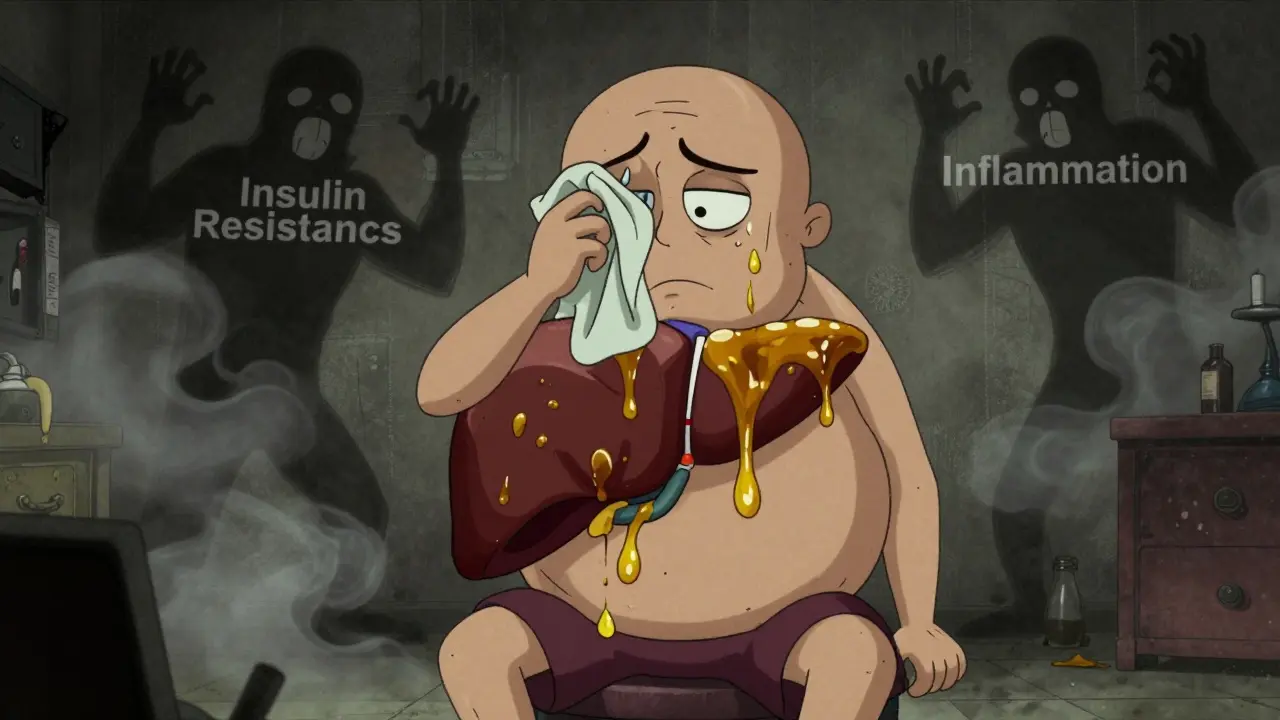
Your liver is working hard right now, even if you don't feel a thing. For millions of people, fat has quietly accumulated in liver cells, creating a condition once called Non-Alcoholic Fatty Liver Disease (NAFLD) but now more accurately known as Metabolic Dysfunction-Associated Steatohepatitis (MASH). It’s not just about having a "fatty" liver; it’s about inflammation and scarring that can lead to serious complications like cirrhosis or liver cancer if left unchecked. The good news? You have power over this. Recent medical breakthroughs, including the August 2025 FDA approval of specific medications, combined with proven lifestyle changes, offer a clear path to reversing the damage.
The core problem isn't just the fat itself-it's the metabolic dysfunction driving it. Obesity, type 2 diabetes, high triglycerides, and elevated LDL cholesterol are the primary engines fueling MASH. To stop the progression, we need to address these root causes through a combination of strategic weight loss, targeted nutrition, physical activity, and, when necessary, modern medication options.
Why Weight Loss Is the Gold Standard Treatment
If there is one single most effective treatment for MASH, it is weight loss. This isn't just general advice; it is backed by hard clinical data from organizations like the American Association for the Study of Liver Diseases (AASLD). The relationship between how much weight you lose and how much your liver improves is direct and measurable.
- 5% Weight Loss: Losing just 5% of your body weight significantly reduces hepatic steatosis (fat accumulation in the liver). If you weigh 200 pounds, losing 10 pounds can make a visible difference in liver fat content.
- 7-10% Weight Loss: This range is where things get really exciting. Studies show that losing more than 10% of body weight leads to the regression of liver fibrosis (scarring). This means the actual structural damage to your liver can start to heal.
However, achieving this is harder than it sounds. A three-year study revealed that fewer than one-third of individuals managed to lose more than 5% of their body weight, and only 25% of those who did managed to keep it off. This gap between knowing what to do and actually doing it is why many patients struggle. That’s why we need to look at specific, actionable strategies for diet, exercise, and medication support.
Dietary Strategies That Actually Work for MASH
When it comes to feeding your liver back to health, not all diets are created equal. While generic calorie counting works for weight loss, the composition of your calories matters immensely for liver inflammation.
The Mediterranean Diet is currently the gold standard in clinical research. A meta-analysis referenced by the AASLD showed that this eating pattern led to statistically significant reductions in alanine aminotransferase (ALT) levels-a key blood marker for liver injury-with a P-value of less than 0.001. It also reduced hepatic steatosis and liver stiffness.
So, what does this look like on your plate?
- Prioritize Healthy Fats: Olive oil, avocados, nuts, and seeds replace saturated fats found in processed meats and full-fat dairy.
- Load Up on Plants: Fruits, vegetables, legumes, and whole grains provide fiber that helps regulate blood sugar and reduce insulin resistance, a major driver of MASH.
- Limit Refined Carbs: White bread, sugary drinks, and pastries spike blood glucose, forcing your liver to convert excess sugar into fat. Cutting these out is crucial.
- Control Portions: To achieve the recommended 500-1,000 daily calorie deficit needed for steady weight loss (1-2 pounds per week), portion control is non-negotiable. Use smaller plates and measure servings until it becomes intuitive.
Avoid alcohol completely. Even though the condition was historically called "non-alcoholic," any amount of alcohol adds stress to an already inflamed liver, hindering its ability to repair itself.

Exercise: Moving Beyond Just Burning Calories
You might think exercise is just about burning calories to lose weight, but for MASH, movement has a direct therapeutic effect on liver cells. The Mayo Clinic recommends at least 150 minutes of moderate-intensity aerobic activity per week. This could be brisk walking, cycling, or swimming.
But here is the pro tip: combine cardio with resistance training. Muscle tissue acts as a sink for glucose, pulling sugar out of your bloodstream and improving insulin sensitivity. When your body handles insulin better, your liver doesn't have to work overtime to process excess energy, which reduces fat storage.
If you are starting from zero, don't aim for perfection. Start with 10-minute walks after meals. This simple habit helps blunt post-meal blood sugar spikes. Gradually increase duration and intensity. The goal is consistency, not exhaustion. Remember, exercise helps reduce liver fat even without significant weight loss, making it a powerful standalone tool alongside dietary changes.
Medication Options: The Role of Semaglutide and Others
For years, doctors had limited pharmacological tools for MASH. Metformin, commonly used for type 2 diabetes, showed only modest benefits and wasn't officially approved for liver disease. Orlistat had unconfirmed signals of benefit. But the landscape changed dramatically in August 2025.
The FDA granted accelerated approval to Wegovy (semaglutide) for treating MASH in adults with moderate-to-advanced fibrosis. This was a historic moment because it was the first GLP-1 receptor agonist specifically approved for this liver indication. Semaglutide mimics a natural hormone that regulates appetite, insulin secretion, and digestion.
| Approach | Mechanism | Effectiveness for Liver | Key Challenges |
|---|---|---|---|
| Lifestyle Modification | Calorie deficit + Nutrition | High (if sustained) | Hard to maintain long-term |
| Semaglutide (Wegovy) | GLP-1 Receptor Agonist | High (reduces inflammation & fibrosis) | Cost (~$1,349/mo), GI side effects |
| Metformin | Insulin Sensitizer | Modest/Low | Not FDA-approved for MASH |
Clinical trials reported by VCU Health researchers showed that nearly 90% of patients stayed on semaglutide for more than a year. About two-thirds experienced reduced liver inflammation, and more than one-third showed decreased liver fibrosis. These are substantial numbers.
However, cost is a major barrier. Without insurance, Wegovy lists for approximately $1,349.02 per month. Compare that to generic metformin, which costs between $4 and $40 a month. Insurance coverage varies widely, often requiring a BMI of 30 or higher, or 27 with comorbidities. If you are considering medication, talk to your doctor about financial assistance programs and whether your specific liver stage qualifies for coverage under the new indications.
Combining Strategies for Best Results
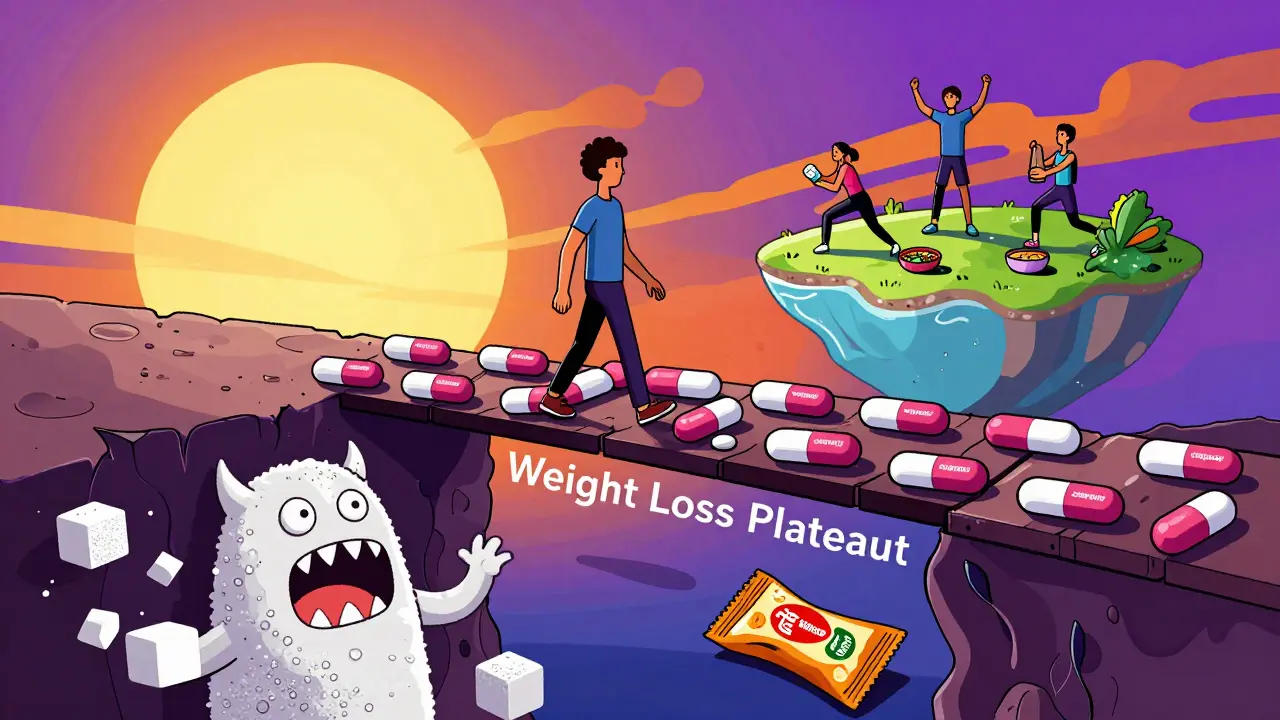
Medication should complement, not replace, lifestyle changes. Experts emphasize that while drugs like semaglutide help you lose weight and reduce liver fat, they work best when paired with the Mediterranean diet and regular exercise. Think of medication as a bridge that helps you reach a healthier weight, allowing you to establish sustainable habits that will keep you healthy long-term.
Many patients face plateaus around the six-month mark. This is normal. Your body adapts to lower calorie intake and increased activity. When this happens, reassess your portions, vary your workout routine, or consult with a dietitian. Behavioral support groups can also provide the accountability needed to push through these slumps.
Frequently Asked Questions
How quickly can I expect my liver to improve with weight loss?
Improvements in liver fat (steatosis) can often be seen within weeks to months of starting a consistent weight loss plan. However, reducing liver scarring (fibrosis) takes longer, typically requiring a sustained weight loss of 7-10% over several months to a year. Blood tests like ALT may normalize faster than structural changes visible on imaging.
Is Wegovy covered by insurance for MASH?
Coverage varies significantly by provider and plan. Since the FDA approval for MASH occurred in August 2025, many insurance plans are still updating their formularies. Typically, coverage requires meeting specific BMI criteria or having documented comorbidities. You should check with your insurer directly and ask your doctor to submit a prior authorization if necessary.
Can I reverse MASH without medication?
Yes. Lifestyle modification remains the foundational treatment for MASH. Many patients successfully reduce liver fat and even reverse early-stage fibrosis through strict adherence to a caloric deficit, the Mediterranean diet, and regular exercise. Medication is an option for those who struggle to achieve sufficient weight loss through lifestyle changes alone.
What are the side effects of semaglutide for liver disease?
The most common side effects are gastrointestinal, including nausea, vomiting, diarrhea, and constipation. These symptoms usually occur when starting the medication or increasing the dose but tend to diminish over time as your body adjusts. Most patients tolerate the drug well enough to continue treatment long-term.
Should I avoid all carbohydrates if I have MASH?
No, you don't need to eliminate all carbs, but you should drastically reduce refined sugars and white flour products. Focus on complex carbohydrates from whole grains, legumes, fruits, and vegetables. These foods contain fiber, which slows down sugar absorption and prevents the insulin spikes that contribute to liver fat accumulation.
