Category: Health - Page 2
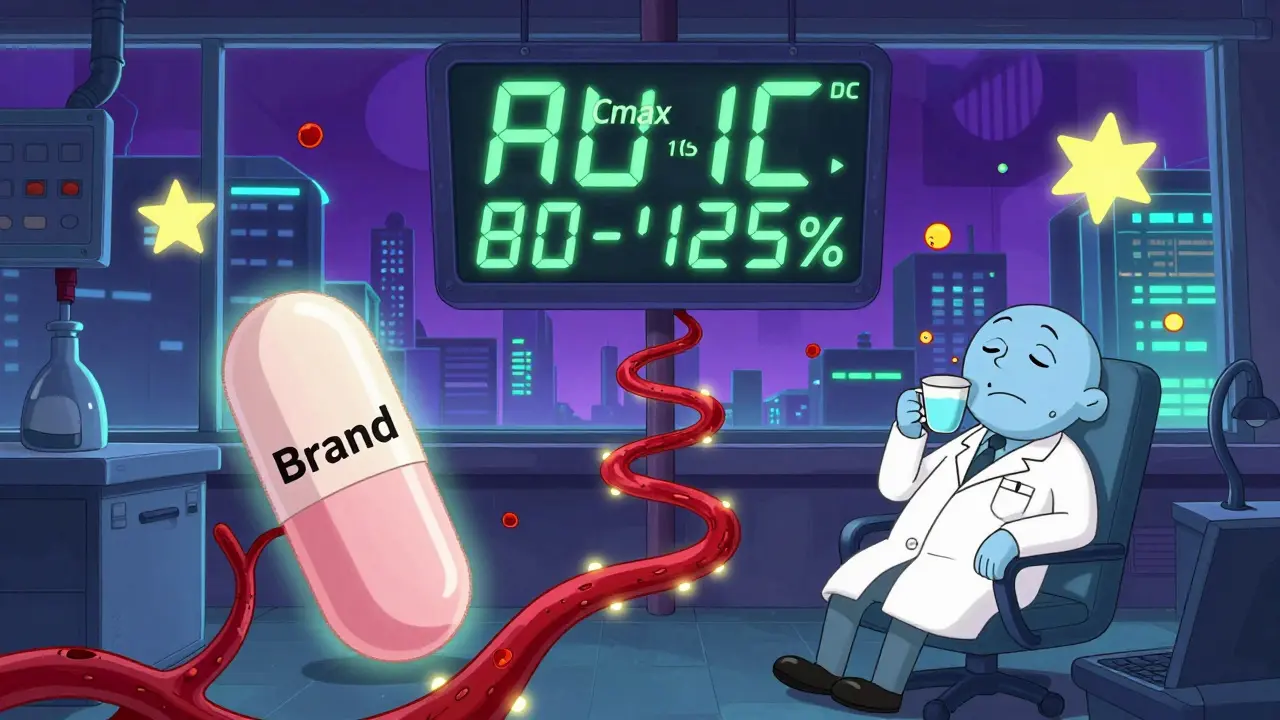
Bioequivalence and Patient Safety: Why Testing Matters for Generic Drugs
Bioequivalence testing ensures generic drugs work just like brand-name ones, saving billions while keeping patients safe. Here's why this science matters more than you think.
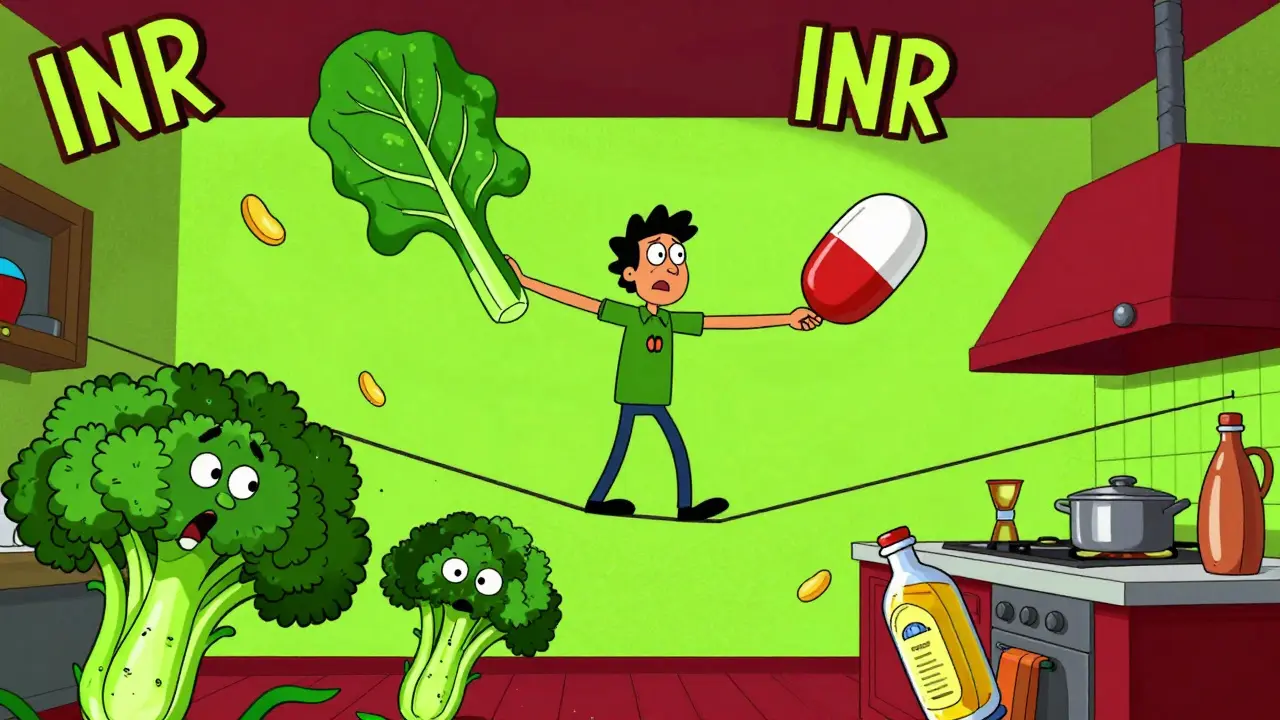
Using Food Diaries on Warfarin: Tracking Vitamin K for Safety
Tracking vitamin K intake with a food diary helps warfarin patients maintain stable INR levels, reducing risks of bleeding or clotting. Consistency matters more than avoidance - and digital tools are improving safety.
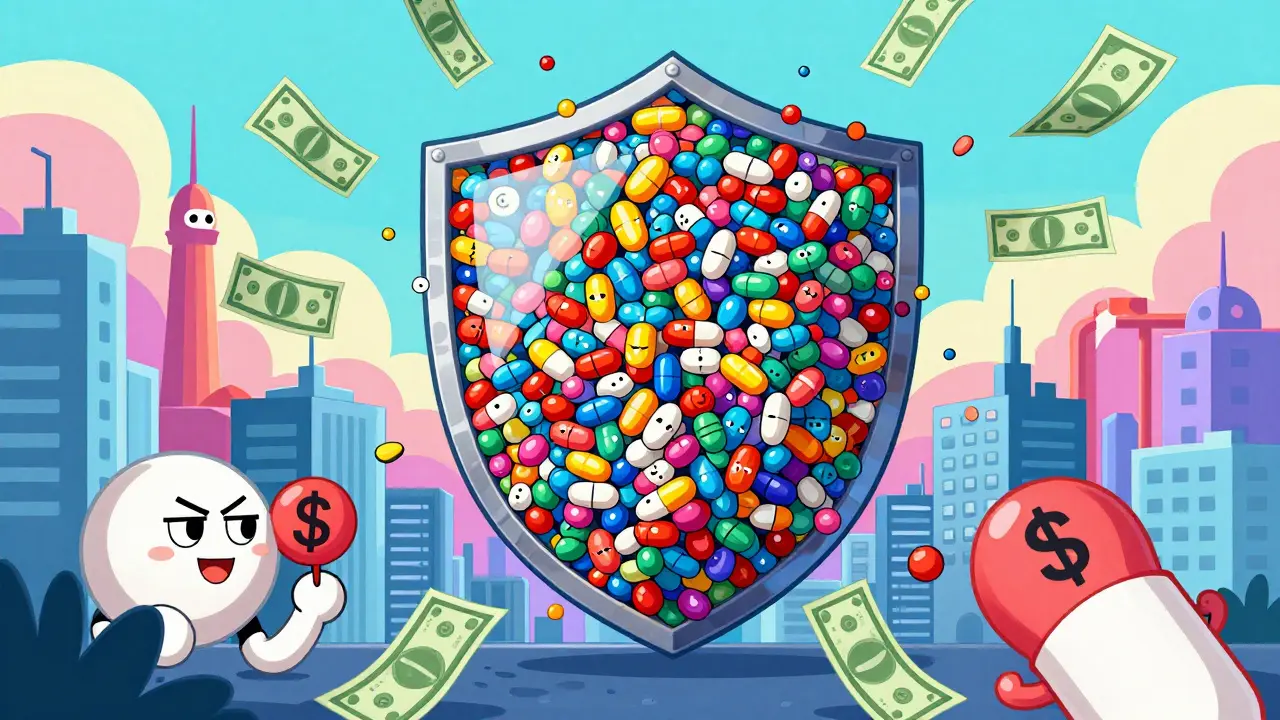
How Generic Drugs Save Billions in U.S. Healthcare System
Generic drugs saved $482 billion in U.S. healthcare costs in 2024, filling 90% of prescriptions while costing just 12% of total drug spending. Biosimilars and policy changes like Medicare negotiations are accelerating savings, but barriers like pay-for-delay agreements and the biosimilar void threaten future progress.
Travel Medication Safety Guide: How to Manage Prescriptions and Side Effects on the Go
Learn how to safely manage prescription medications while traveling. From TSA rules and international restrictions to storage tips and time zone adjustments, this guide covers everything you need to know to avoid health risks and legal trouble on your next trip.
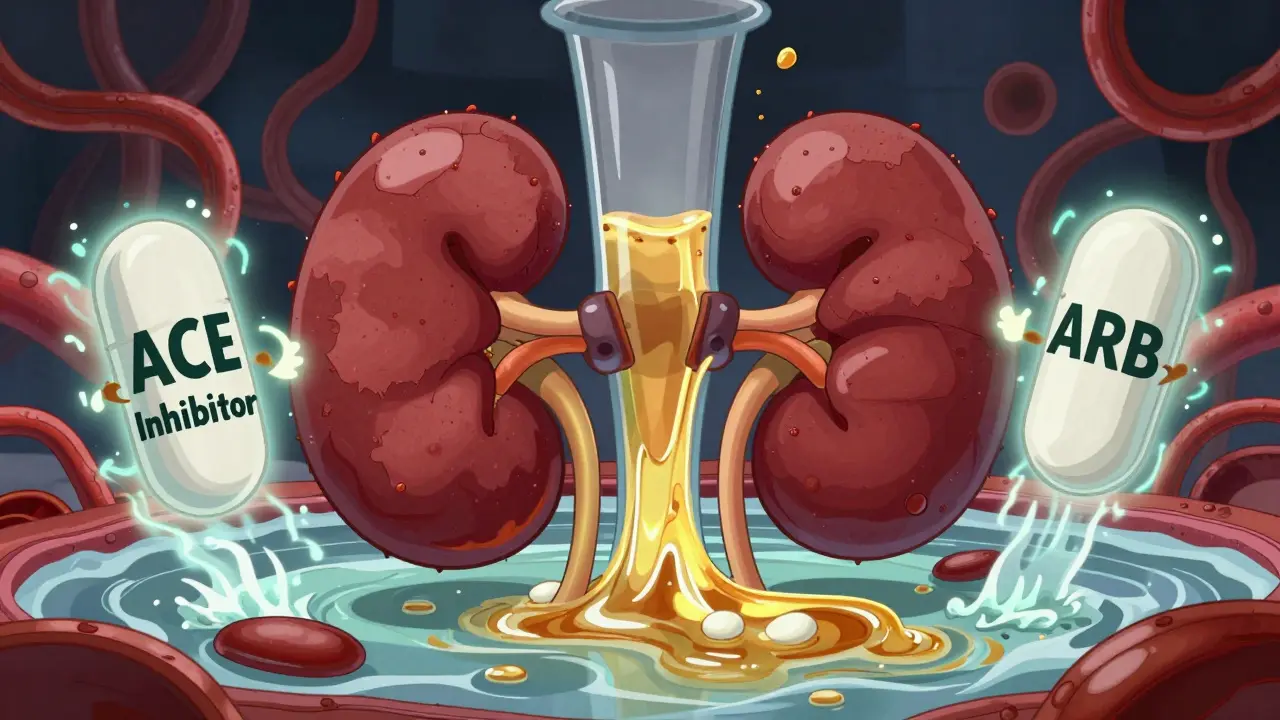
Diabetic Nephropathy: How ACE Inhibitors, ARBs, and Protein Control Protect Kidneys
ACE inhibitors and ARBs are proven to slow kidney damage in diabetic nephropathy by reducing proteinuria. Used at maximum tolerated doses, they cut the risk of kidney failure. Avoid combining them with other RAAS blockers or NSAIDs. This is the standard of care in 2026.
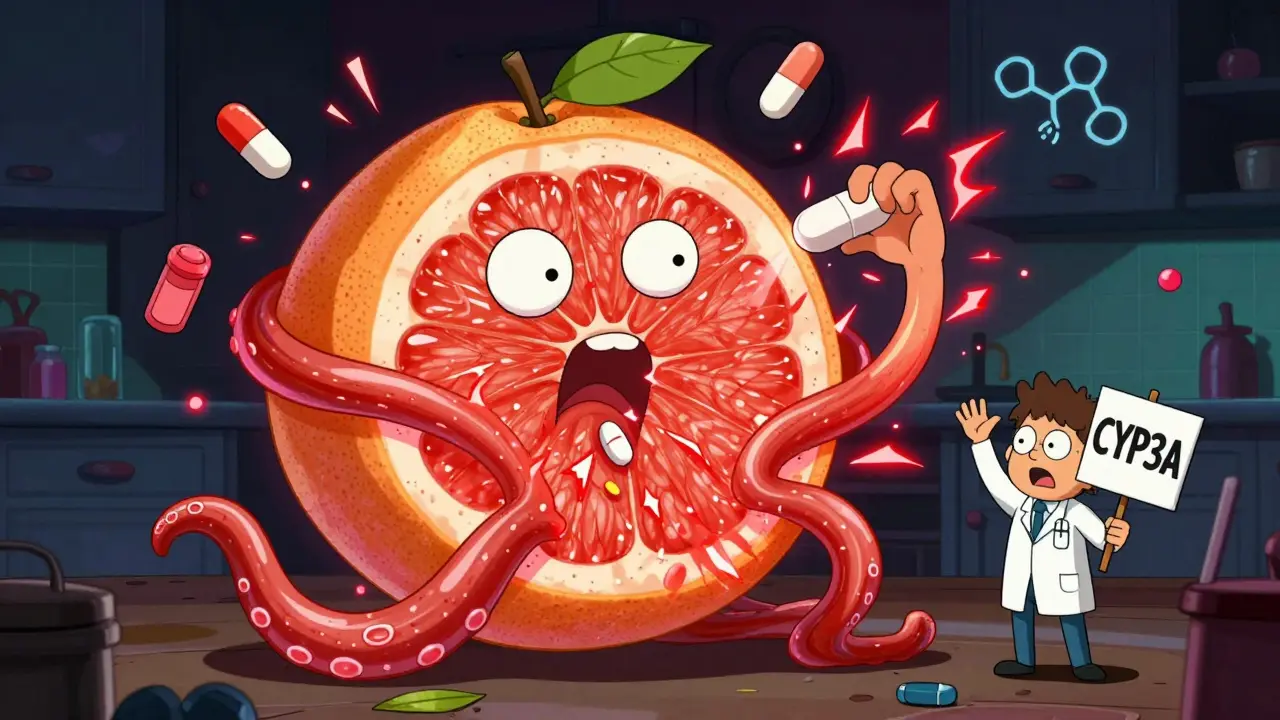
Grapefruit and Statins: What You Need to Know About the Dangerous Interaction
Grapefruit can dangerously increase statin levels in your blood, raising the risk of muscle damage and kidney failure. Learn which statins are risky, which are safe, and what to do if you love grapefruit.
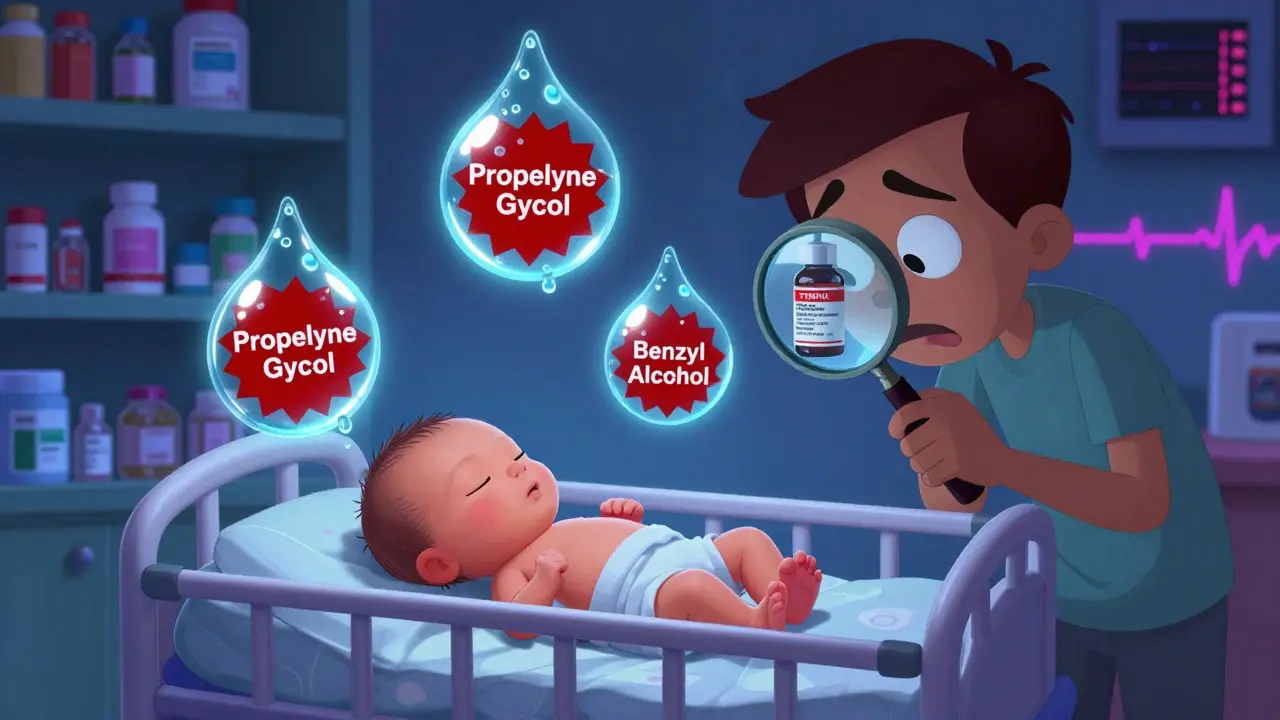
Pediatric Excipients: Hidden Dangers of Alcohol, Sorbitol, and Benzyl Alcohol in Children's Medications
Hidden in many children's medications, excipients like alcohol, sorbitol, and benzyl alcohol can cause seizures, organ damage, and even death in infants. Learn what to look for and how to protect your child.
When Pharmacists Should Flag Problematic Generic Medications
Pharmacists play a critical role in spotting problematic generic medications that can harm patients despite FDA approval. Learn when to flag issues - especially with narrow therapeutic index drugs - and how to protect patient safety.
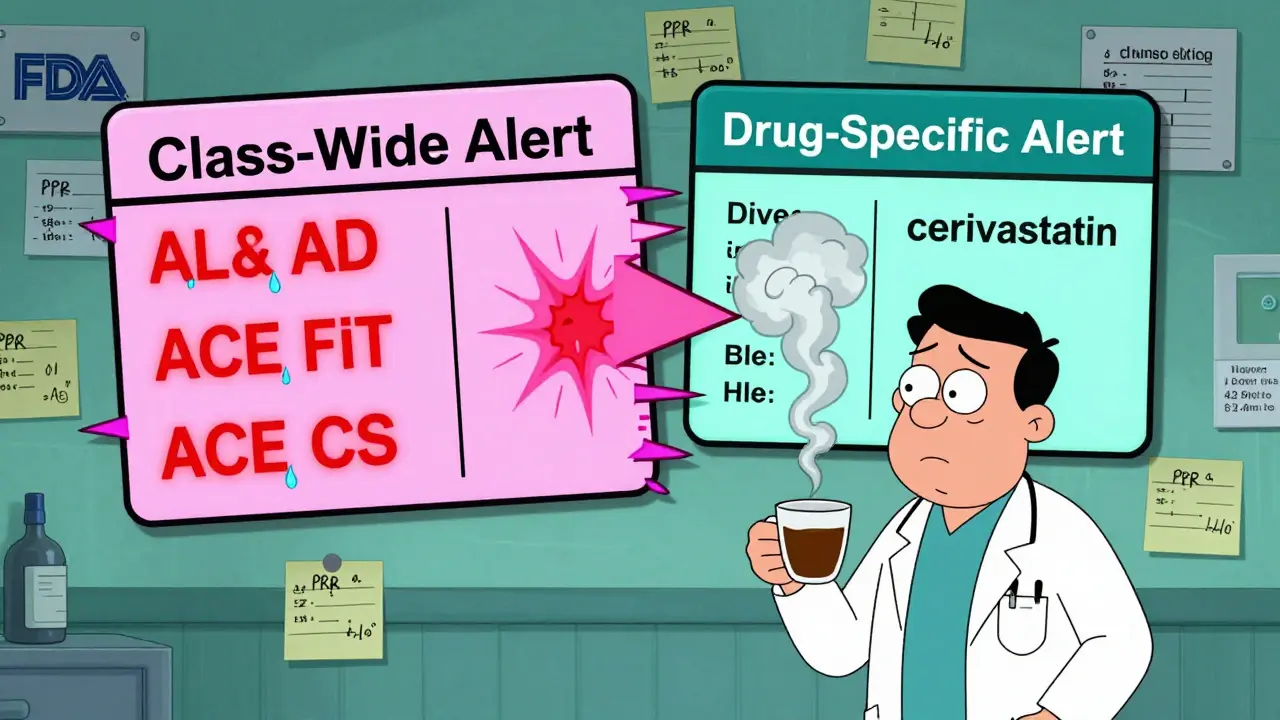
How to Identify Class-Wide vs. Drug-Specific Safety Alerts in Medications
Learn how to tell the difference between class-wide and drug-specific safety alerts in medications. Understand how regulators decide, why it matters for prescribing, and what tools to use for accurate risk assessment.
Graves' Disease: Understanding Autoimmune Hyperthyroidism and the Role of PTU Treatment
Graves’ disease is an autoimmune condition causing hyperthyroidism, often treated with antithyroid drugs like PTU. Learn how it works, why PTU is used in pregnancy, and what happens when medications fail.
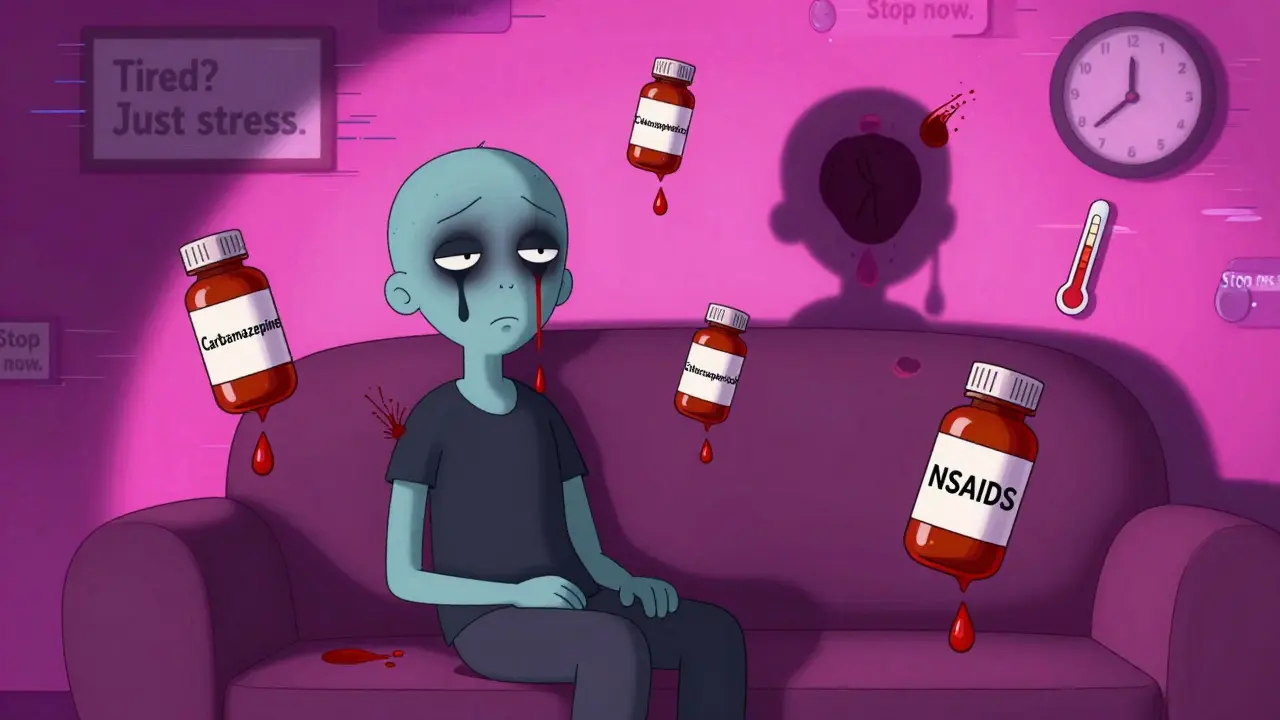
Aplastic Anemia from Medications: Early Signs and Urgent Actions
Medication-induced aplastic anemia is rare but deadly. Know the early signs-fatigue, bruising, fever-and act fast. Stopping the drug immediately and getting a blood test can save your life.
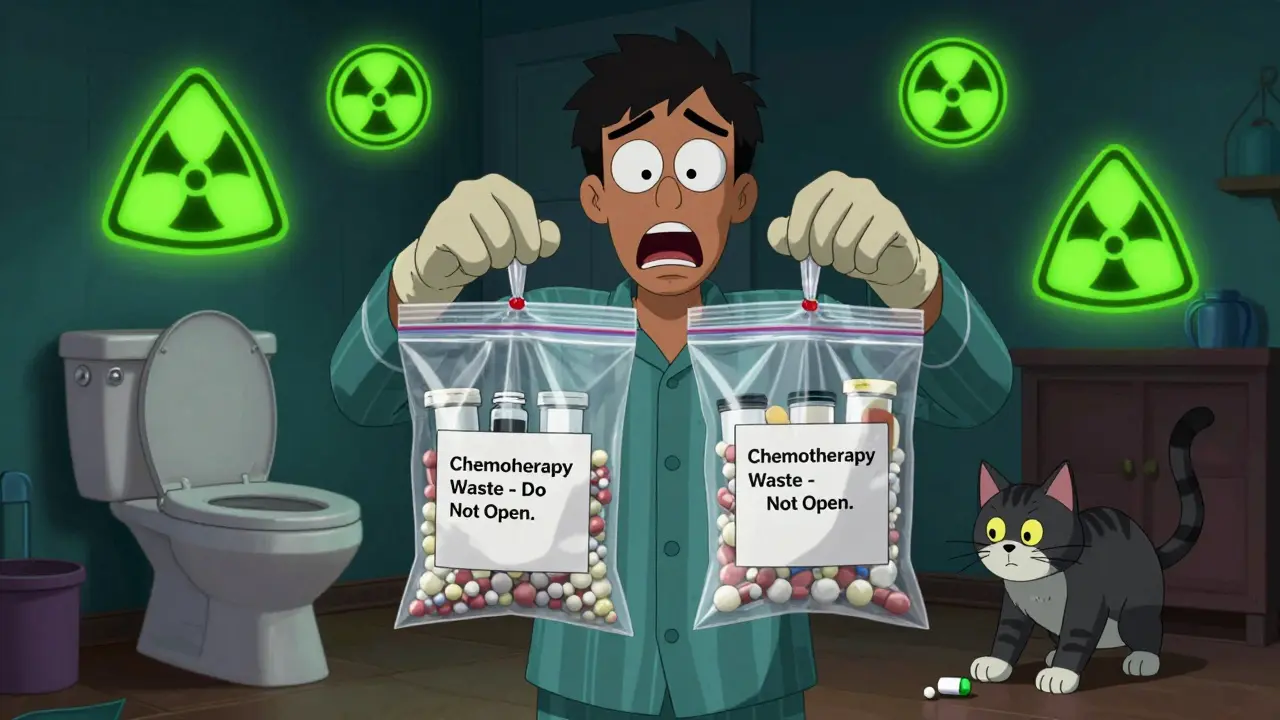
How to Safely Dispose of Chemotherapy Medication at Home
Learn how to safely dispose of chemotherapy medication at home using double-bagging, protective gear, and approved collection methods. Avoid flushing, improper trash disposal, and unsafe products like Deterra®.
